01. Edit your form online
Type text, add images, blackout confidential details, add comments, highlights and more.

Type text, add images, blackout confidential details, add comments, highlights and more.

Draw your signature, type it, upload its image, or use your mobile device as a signature pad.

Send it via email, link, or fax. You can also download it, export it or print it out.
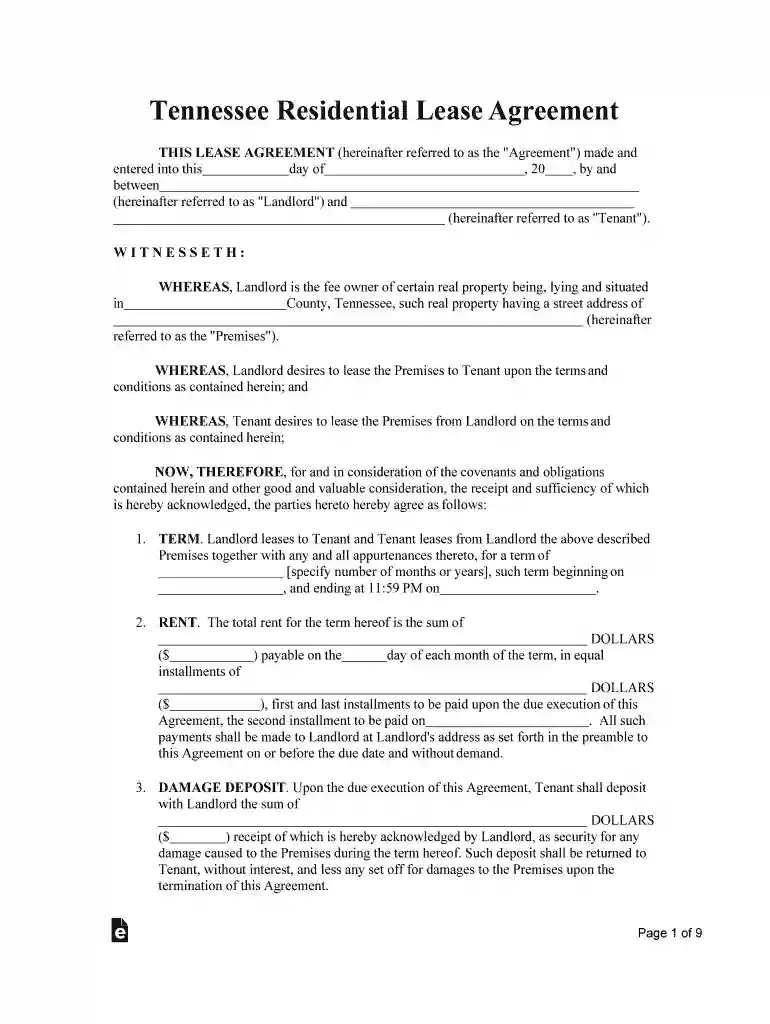
The Bill of Sale Form is a legal document that transfers ownership of an item from the seller to the buyer. It usually includes details like the date of sale, parties involved, a description of the item sold, and the sale price. On the other hand, the Tennessee Lease Agreement Form outlines the terms and conditions of property rental between a landlord and tenant. This form specifies the lease terms, rental amount, security deposits, tenant responsibilities, and maintenance obligations. Both are crucial legal documents for ensuring transparent exchanges in property and goods transactions.
Both forms are legally binding documents that protect the rights of involved parties. The Bill of Sale Form serves as proof of ownership and can be used in disputes over property rights. The Tennessee Lease Agreement Form is crucial in legal situations involving landlord-tenant conflicts, ensuring adherence to the agreed terms and the state’s rental laws.


Both forms are compatible with document management and e-signature software platforms like DocHub. They can be edited, signed, and shared effortlessly, ensuring security and compliance with legal standards. Applications such as TurboTax or QuickBooks are utilized primarily for financial and tax reporting and may not offer direct compatibility with these specific legal forms but can be beneficial in managing related financial aspects.
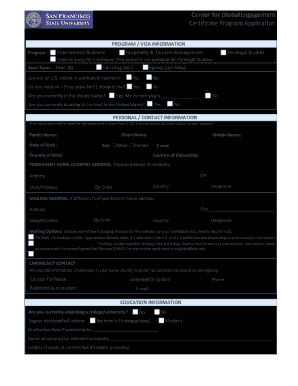
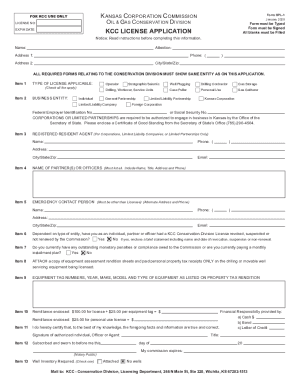
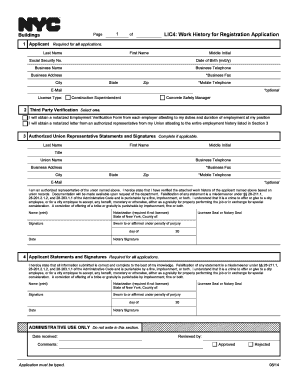
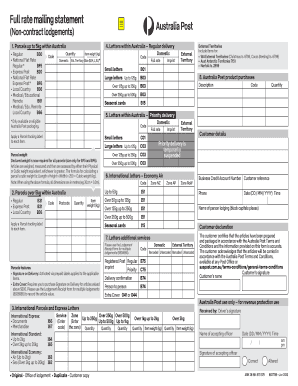
We've got more versions of the Bill Of Sale Form Tennessee Lease Agreement Form form. Select the right Bill Of Sale Form Tennessee Lease Agreement Form version from the list and start editing it straight away!
| Versions | Form popularity | Fillable & printable |
|---|---|---|
| 2015 | 4.8 Satisfied (132 Votes) |
At DocHub, your data security is our priority. We follow HIPAA, SOC2, GDPR, and other standards, so you can work on your documents with confidence.