






Definition & Meaning
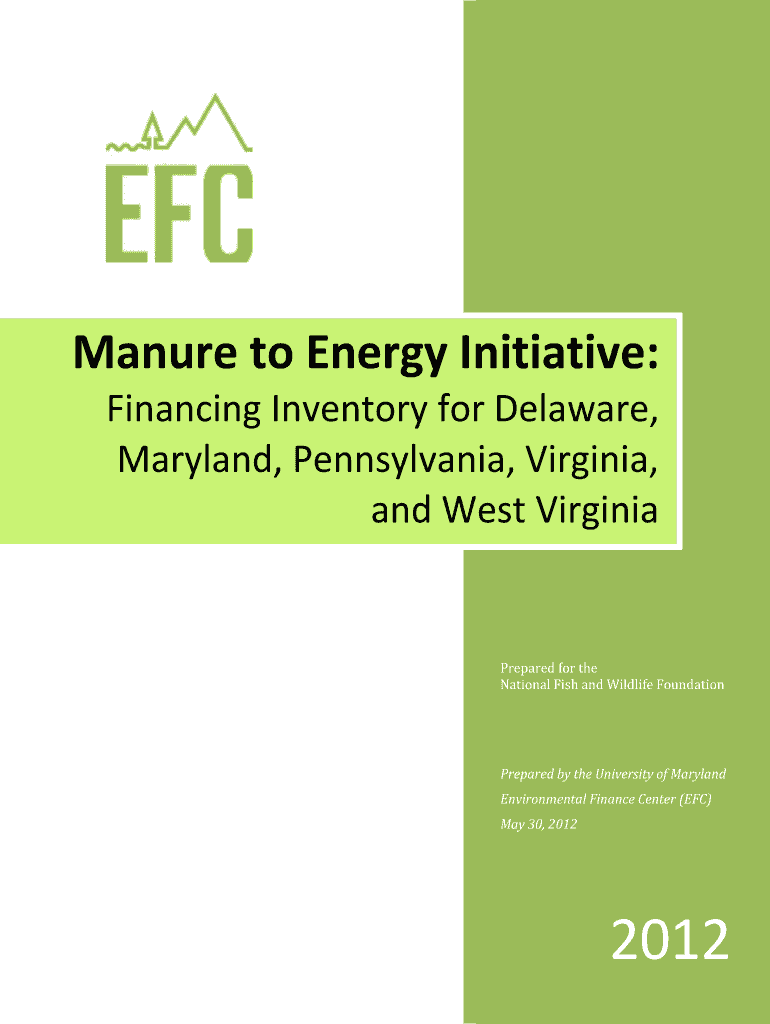
The "Manure to Energy Initiative: Financial Template for Delaware" is designed to facilitate the conversion of poultry litter into renewable energy using thermochemical processes. This initiative is part of a broader effort to improve agricultural sustainability in Delaware and surrounding states such as Maryland, Pennsylvania, Virginia, and West Virginia. By offering a financial framework, the template assists farmers in understanding available resources for implementing manure-to-energy projects. It supports reducing nutrient runoff into local waters and improving the overall environmental impact of farming practices.
Key Elements of the Financial Template
The financial template comprises several crucial elements that enable farmers to effectively plan and manage their manure-to-energy projects:
- Cost Analysis: Detailed evaluation of initial setup costs, including equipment, installation, and maintenance.
- Revenue Streams: Potential income sources from selling generated energy and byproducts.
- Financing Options: Comprehensive list of grants, loans, and cost-share programs available at both federal and state levels.
- ROI Calculations: Guidelines for calculating the return on investment and projections for financial viability.
These elements ensure that farmers can comprehensively assess the economic aspects of adopting manure-to-energy technology.
How to Use the Financial Template
Utilizing the financial template involves several steps to ensure accuracy and relevance:
- Identify Costs: Gather detailed cost information from technology providers and installation experts.
- Explore Financing: Review available federal and state financing options and determine eligibility criteria.
- Project Revenue: Estimate the energy output and potential revenue from energy sales and other byproducts.
- Calculate ROI: Using the template, input data to assess the project's potential return on investment.
- Review & Adjust: Continuously update the template with actual data as the project progresses to maintain accurate projections.
By following these steps, farmers can effectively plan their projects on both short-term and long-term bases.
Eligibility Criteria
Farmers interested in participating in the initiative must meet specific eligibility requirements:
- Location: The primary operation must be situated in Delaware, though those from surrounding states may also consider similar financial frameworks.
- Farm Identity: The operation should involve poultry farming with potential for poultry litter conversion.
- Commitment to Sustainability: Engagement in practices that promote environmental sustainability and reduce nutrient runoff.
These criteria ensure that the financial template is utilized by those committed to enhancing agricultural practices and sustainability outcomes.


State-Specific Rules in Delaware
Delaware has specific regulations and guidelines for the initiative:
- Environmental Standards: Compliance with the state's environmental impact guidelines and nutrient management regulations.
- Reporting Requirements: Submission of regular energy production and environmental impact reports to state agencies.
- Collaboration with Local Agencies: Farmers must demonstrate partnerships with Delaware’s agricultural and environmental groups to promote broader community benefits.
These rules guarantee that projects align with the state’s ecological goals and contribute positively to Delaware’s environmental landscape.
Examples of Using the Financial Template
Practical examples demonstrate how farmers successfully employ the financial template:
- Case Study in Dover: A farm leveraged the template to secure a federal grant, which covered half the installation costs. The farm now sells excess energy back to the grid, creating a supplementary income source.
- Sussex County Collaboration: Multiple small-scale farms joined forces, using the financial template to create a cooperative approach. They minimized individual costs while maximizing the overall energy output and shared revenues.
These examples illustrate the adaptability and practical benefits of using the financial template in real-world scenarios.
Steps to Complete the Template
Completing the financial template involves a structured approach:
- Data Gathering: Collect accurate information on costs, potential revenues, and financing options.
- Template Entry: Input gathered data into the respective sections of the template.
- Verify Assumptions: Cross-check assumptions with industry standards and local regulations to ensure accuracy.
- Finalize Calculations: Perform detailed calculations for costs, revenues, and ROI analysis.
- Seek Expert Review: Have an agricultural financial expert review the completed template for accuracy and viability.
- Implement & Monitor: Implement the project based on the template findings, continuously monitoring for updates as required.
Following these steps ensures comprehensive and reliable project planning.
Required Documents
Several documents are necessary to effectively use the financial template:
- Current Financial Statements: Including income statements and balance sheets for financial stability assessment.
- Project Proposals: Detailed project plans and objectives.
- Funding Applications: Completed forms for grants, loans, and cost-share programs.
- Environmental Assessments: Reports and data supporting environmental benefits and compliance measures.
Having these documents prepared ensures a smooth process in utilizing the financial template for financial planning and application submissions.