




01. Edit your 2015 form 1095 online
Type text, add images, blackout confidential details, add comments, highlights and more.

Type text, add images, blackout confidential details, add comments, highlights and more.

Draw your signature, type it, upload its image, or use your mobile device as a signature pad.

Send it via email, link, or fax. You can also download it, export it or print it out.
Form 1095-A, known as the Health Insurance Marketplace Statement, is a document issued by the IRS that provides essential information for individuals who have purchased health insurance through the Health Insurance Marketplace. This form identifies the policyholder and includes critical data needed to complete tax-related forms. Specifically, it supports the completion of Form 8962, which helps taxpayers claim the Premium Tax Credit or reconcile advance payments. The 1095-A form contains details like coverage months, premium amounts, and whether the coverage has been corrected or voided. Understanding this form is crucial for accurate tax filing, especially for those receiving subsidies through the Affordable Care Act.
Using Form 1095-A is a necessary step for individuals who have obtained health coverage through the Marketplace. It is primarily utilized during the tax preparation process. Here's how to use it:
Being meticulous with this process prevents discrepancies that could lead to audits or additional taxes owed.
To receive Form 1095-A, ensure you accessed health insurance via the Health Insurance Marketplace for the relevant tax year. Here's how you can obtain it:
Obtaining and reviewing this form promptly allows for timely tax preparation and filing.
Though the 1095-A Form itself is not completed by taxpayers, understanding how it's prepared can be helpful:
Accuracy is vital, and any mistakes should be promptly addressed with the Marketplace.
Form 1095-A is relevant to:
Anyone who has engaged with the Health Insurance Marketplace—either as a policyholder or an advisor—will find this form critical in fulfilling U.S. tax obligations.


Understanding these terms is essential for interpreting the form correctly:
With these definitions in mind, interpreting the form becomes more straightforward.
Each section of the 1095-A serves a specific purpose:
Each segment requires careful attention to ensure taxes are filed correctly and within compliance.
The IRS provides specific guidelines for how form 1095-A should be handled:
Adhering to these guidelines minimizes errors and potential penalties.
For the tax year 2015, these key dates are significant:
Understanding these dates ensures compliance and avoids late penalties.
Failure to use Form 1095-A correctly can result in:
Avoiding these penalties requires careful review and correct tax credit claims.
Eligibility to receive a 1095-A form includes:
Proper eligibility ensures issuance of the form and correct tax credit claims.

While the IRS accepts tax returns in various formats, managing the 1095-A is straightforward:
These options provide flexibility according to individual needs and preferences.
We've got more versions of the 2015 form 1095 form. Select the right 2015 form 1095 version from the list and start editing it straight away!
| Versions | Form popularity | Fillable & printable |
|---|---|---|
| 2025 | 4.3 Satisfied (42 Votes) | |
| 2024 | 4.3 Satisfied (58 Votes) | |
| 2023 | 4.2 Satisfied (59 Votes) | |
| 2022 | 4.7 Satisfied (58 Votes) | |
| 2021 | 4.8 Satisfied (115 Votes) | |
| 2020 | 4.3 Satisfied (211 Votes) | |
| 2019 | 4.4 Satisfied (400 Votes) | |
| 2018 | 4.3 Satisfied (132 Votes) | |
| 2017 | 4.3 Satisfied (143 Votes) | |
| 2016 | 4.4 Satisfied (486 Votes) | |
| 2015 | 4.3 Satisfied (85 Votes) | |
| 2014 | 4.4 Satisfied (64 Votes) |
At DocHub, your data security is our priority. We follow HIPAA, SOC2, GDPR, and other standards, so you can work on your documents with confidence.





The 1095 will contain detailed information about health care coverage. TAXES. 2015. You will need the form to file your 2015 tax return.Read more
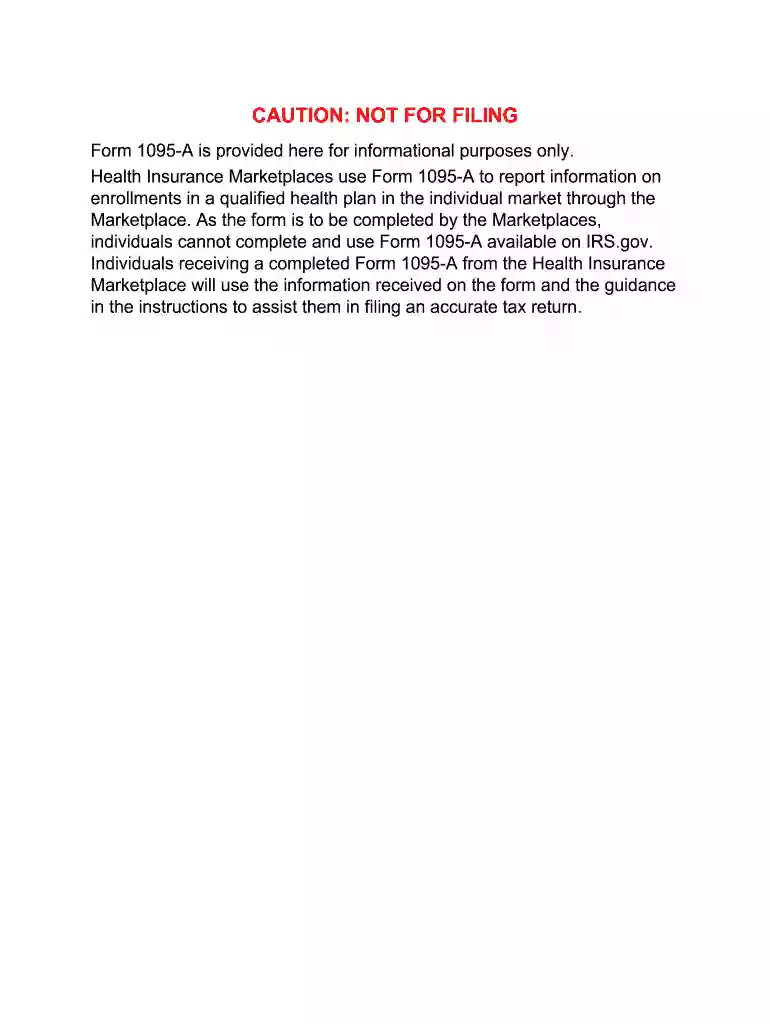
Health Insurance Marketplaces use Form 1095-A to report information on enrollments in a qualified health plan in the individual market through the. Marketplace.Read more
Apr 15, 2015 If you receive Form(s) 1095-A for 2014, save it. It will help you figure your premium tax credit. If you did not receive a Form 1095-A, contactRead more


