Definition & Purpose of the Standard Short Form Agreement
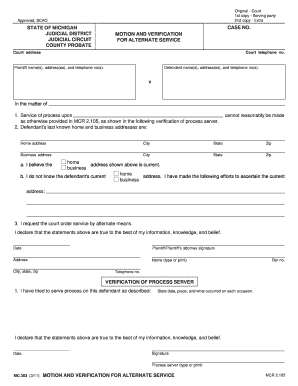
The "Standard Short Form Agreement Between Constructor and Subcontractor" is a legally binding document used to outline the terms and responsibilities between a general contractor and a subcontractor involved in a construction project. It serves to detail the scope of work, payment terms, and project specifications in a streamlined format, ensuring both parties have a clear understanding of their obligations.
- Scope of Work: Clearly defines the tasks and responsibilities assigned to the subcontractor, ensuring there is no ambiguity about what needs to be completed.
- Payment Terms: Establishes the financial arrangements, including payment schedules, amounts, and conditions for payment, to avoid disputes.
- Compliance and Legal Requirements: Outlines the legal obligations that both parties must adhere to, including safety standards and building codes.
How to Use the Standard Short Form Agreement
Utilizing the "Standard Short Form Agreement Between Constructor and Subcontractor" involves several critical steps to ensure the document serves its purpose effectively.
- Review the Scope: Both parties should thoroughly review the outlined work to ensure it aligns with project expectations.
- Negotiate Terms: Discuss payment terms, timelines, and any potential contingencies or change orders that might arise during the project.
- Legal Consultation: Consult with a legal professional to make sure the agreement complies with state-specific laws and industry standards.
Practical Example
For instance, if a contractor hires a subcontractor for electrical work in a new commercial building, the agreement should specifically list all tasks related to electrical installations to avoid misunderstandings.
Obtaining the Agreement Document
Acquiring this form is typically straightforward, involving a few key approaches:
- Construction Associations: Many industry associations provide templates for such agreements tailored to construction projects.
- Legal Services: Law firms specializing in construction law can draft a customized agreement.
- Online Platforms: Digital document management platforms like DocHub can facilitate access to standardized agreements that you can modify as needed.
Steps to Complete the Standard Short Form Agreement
Completing the "Standard Short Form Agreement Between Constructor and Subcontractor" accurately is vital to establish a solid contractual relationship.
- Initial Information: Start by filling in the basic information, including names, addresses, and contact details of both parties.
- Project Details: Specify detailed descriptions of the work, including task lists, deadlines, and any special requirements.
- Payment Information: Clearly document payment methods, schedules, and conditions that must be met for payments to be released.
- Legal Clauses: Ensure the agreement includes comprehensive clauses related to compliance, warranties, and indemnity.
Who Typically Uses This Agreement
This agreement is predominantly used by individuals and entities involved in the construction industry, such as:
- General Contractors: To formalize the subcontracting of specialized tasks they cannot complete in-house.
- Subcontractors: To ensure their rights and payment terms are legally documented before starting work.
- Construction Managers: Who oversee project contractors to maintain consistency and legal compliance across contracts.
Key Elements of the Agreement
Understanding the core components of the standard short form agreement is critical for ensuring its effectiveness.
- Change Orders: Provisions for modifying the scope or terms of the agreement as the project evolves.
- Insurance Provisions: Specifies the insurance requirements that subcontractors must fulfill to minimize risk.
- Indemnity Clauses: Details the extent to which each party will protect the other against financial loss due to specified risks.
Examples of Use
In a scenario where a subcontractor is tasked with laying the foundation of a new development, this agreement would cover the specifics of material guidelines, timelines, and penalties for non-compliance or delays.
State-Specific Rules for the Agreement
Construction law can vary considerably from one state to another, impacting the enforceability and requirements of such agreements:
- Licensing Requirements: Different states may have unique licensing and registration requirements for subcontractors.
- Lien Rights: Laws governing the right to file a lien against a property for non-payment differ state-by-state.
Case Study
For instance, in California, contractors must include strict language about lien rights in their agreements, reflecting the state's emphasis on protecting worker compensation.
Legal Use and Compliance
To ensure the agreement is legally binding, it must adhere to relevant federal and state laws such as the ESIGN Act for electronic signatures.
- Contractual Capacity: Both parties must have the legal capacity to enter into the agreement.
- Mutual Consent: All terms must be mutually agreed upon, with clear consent demonstrated by signatures.
- Legal Terminology: Proper legal terms should be used to avoid ambiguity and potential legal loopholes.
Versions or Alternatives to the Standard Form
Occasionally, adaptations or alternatives to the standard form might be necessary:
- Custom Agreements: Specifically tailored contracts that address unique project needs or specific legal stipulations.
- Professional Templates: Industry-standard documents provided by reputable organizations, adjusted slightly to suit individual project specifics.
Software Compatibility
Incorporating this agreement into your workflow can be facilitated by using document software like DocHub, which supports a variety of file formats and integrates seamlessly with cloud services. By enabling editing and secure sharing, such platforms streamline the legal and administrative tasks associated with construction projects.