Definition and Meaning of Form Online
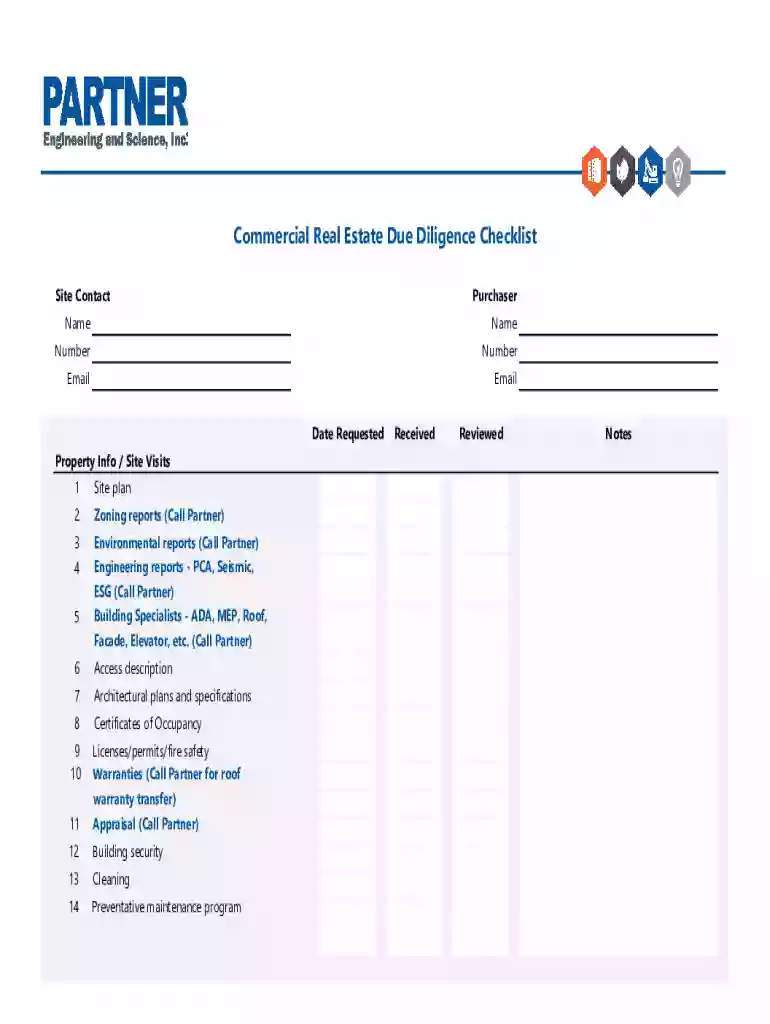
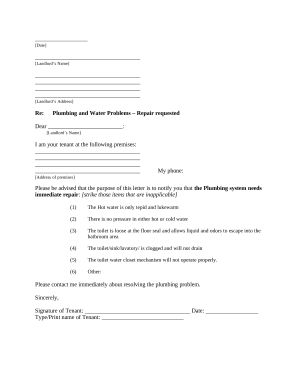
Form online refers to any document or application that can be completed, submitted, and processed through an internet-based platform. This type of form allows individuals and businesses to conveniently handle transactions, gather data, or apply for services digitally. By eliminating physical paperwork, online forms streamline administrative tasks, reduce errors, and provide instant receipt of submissions.
How to Use the Form Online
Using an online form typically involves accessing the form through a website or application, filling in the required fields, and submitting the information. Common steps include:
- Access the Form: Locate the form via a web search or by navigating directly to the relevant website.
- Fill Out the Form: Enter all requested information accurately, often including text fields, checkboxes, and dropdown selections.
- Review Submission: Double-check all entries for accuracy before finalizing.
- Submit: Click the submit button to send the form electronically.
- Receive Confirmation: Obtain a confirmation message or email verifying the successful receipt of the form.
How to Obtain the Form Online
Obtaining forms online can vary depending on the type of form required:
- Government Forms: Such as tax documents or licenses found on official government websites.
- Business Documents: Accessed through company portals or services like DocHub for editing and signing.
- Educational or Registration Forms: Available on institutional websites for enrollment or application purposes.
It's essential to verify the website's authenticity to avoid fraudulent sites.
Steps to Complete the Form Online
Completing an online form often involves several steps:
- Identification and Login: Some forms require user verification through an account login or identity confirmation.
- Field Input: Fill required fields, marked with asterisks, ensuring all mandatory information is provided.
- Attachments: Upload any necessary documents as specified in the form's instructions.
- Consent and Verification: Agree to terms of service or provide digital consent as needed.
- Submission and Confirmation: Submit the form and retain a digital or printed copy of the confirmation for records.
Why Should You Form Online
Using forms online offers multiple advantages:
- Efficiency: Reduces time spent on administrative tasks.
- Convenience: Allows submissions at any time and from any location with internet access.
- Accuracy: Minimizes human error through automated data entry checks.
- Environmentally Friendly: Reduces paper usage and storage needs.
Key Elements of the Form Online
Key elements typically included in online forms are:
- User Instructions: Clear guidance on how to complete the form.
- Interactive Fields: Such as text boxes, radio buttons, and dropdown menus.
- Validation Checks: Ensure all required fields are filled accurately.
- Legal Disclaimers or Consent Sections: Ensure compliance with regulations.
- Submit and Save Options: Allow users to submit completed forms or save progress for later completion.
State-Specific Rules for the Form Online
State-specific rules may apply to certain forms, influencing their structure and requirements:
- Tax Forms: Vary by state due to different tax codes and regulations.
- Business Licenses: Different states have unique requirements for licensing and permits.
- Legal Documents: State laws can affect the verbiage and requirements of forms like wills or trusts.
It is crucial to consider state-specific guidelines to ensure compliance with local laws.
Digital vs. Paper Version
Online forms offer several advantages over their paper counterparts:
- Accessibility: Available anytime without needing a physical document.
- Storage: Digital storage reduces the need for physical space and allows easy retrieval.
- Speed: Instant processing reduces the delay often encountered with mailing paper forms.
- Security: Digital forms can be encrypted for secure transmission and storage, often more so than physical copies.
For individuals and businesses, transitioning to online forms can significantly enhance efficiency and accuracy while providing a more sustainable approach to document management.