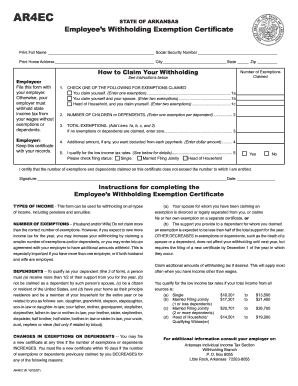
Definition and Purpose of Customized Step-by-Step Forms
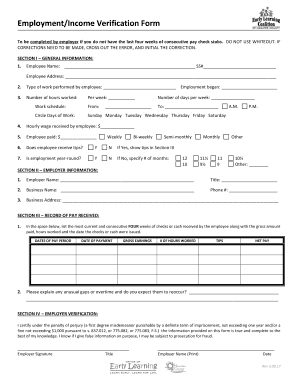
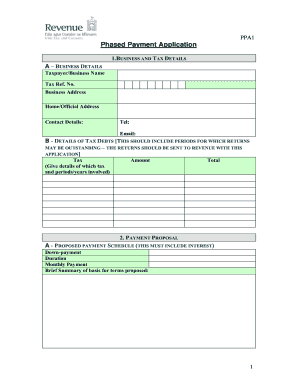
Customized step-by-step forms are designed to guide users through the completion of complex documents by breaking down the process into manageable steps. These forms are particularly beneficial for tasks that require careful attention to detail, as they reduce the likelihood of errors by ensuring every section is filled out correctly. These forms can be tailored to suit a variety of purposes, from legal agreements and tax paperwork to business registrations and personal applications.
How to Use a Customized Step-by-Step Form
Using a customized step-by-step form simplifies the process of completing intricate paperwork. To begin, users should carefully read each section and follow the instructions provided. Typical steps may include:
- Inputting Basic Information: Start by entering personal or organizational data as required.
- Selecting Options from Drop-down Menus: Choose from predetermined options to ensure accuracy and consistency.
- Filling Mandatory Fields: Complete all required fields, as the form will often highlight these to prevent accidental omissions.
These forms may also offer interactive elements, such as checkboxes or radio buttons, to streamline information gathering and verification.
Steps to Complete the Form
Completing a customized step-by-step form involves a sequence of tasks:
- Gather Necessary Information: Collect all relevant documents and details before starting the process.
- Follow Instructions Carefully: Proceed through each step as directed by the form, taking time to understand instructions.
- Review and Validate Entries: After completing the form, thoroughly review all entries for accuracy and completeness.
This structured approach ensures all components are correctly filled, facilitating smoother processing and approval.
Who Typically Uses These Forms
A diverse audience benefits from step-by-step customized forms, ranging from individuals to organizations. Common users include:
- Legal Professionals: For drafting and managing contracts or agreements.
- Business Entities: Small to large corporations needing precise documentation for compliance and operational purposes.
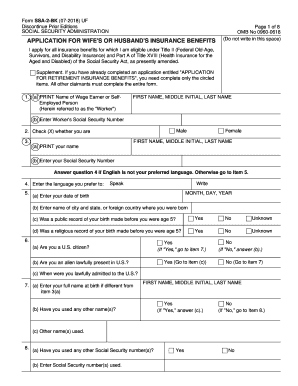
- Taxpayers and Retirees: Individuals dealing with tax forms or pensions may find these forms invaluable for clarity and precision.
Each group uses these forms to efficiently navigate complex bureaucratic procedures and ensure compliance with legal requirements.


Key Elements and Features of the Forms
Customized forms typically include several essential features that aid in efficient and accurate form completion:
- Fillable Fields: Text boxes, checkboxes, and signature fields that guide users on required information.
- Validation Checks: Automated verifications to ensure data integrity and avoid errors.
- Guidance Notes: Contextual help balances comprehensive instructions for completing specific sections.
These elements make it easier for users to complete forms accurately and promptly, reducing processing delays or potential rejections.
Legal Considerations in Using These Forms
Legal compliance is crucial when using customized step-by-step forms. Key aspects include:
- Adherence to Local, State, and Federal Laws: Forms must conform to jurisdiction-specific regulations regarding format and content requirements.
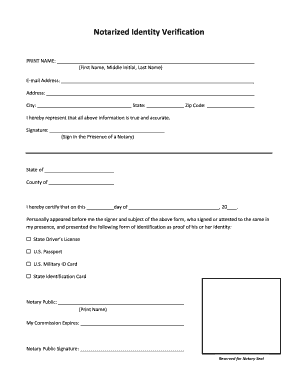
- Electronic Signature Legality: Electronic signatures within these forms must comply with laws such as the ESIGN Act, ensuring they hold the same weight as traditional pen-and-paper signatures.
Understanding these parameters is vital for the legal validity of documents created using such forms.
Software Compatibility for Digital Forms
Digital versions of customized forms should be compatible with commonly used software platforms to facilitate easy access and editing. Compatibility with tools like TurboTax, QuickBooks, and Adobe Acrobat ensures that users can import, modify, and export forms seamlessly. Support for integration with other services like Google Workspace also maximizes utility and efficiency.
Examples and Use Cases for Customized Forms
Customized step-by-step forms offer practical applications in various scenarios:
- Property Transactions: Real estate forms that require meticulous detail can be managed using these forms to capture buyer, seller, and agent information accurately.
- Healthcare Directives: Legal documents like living wills are streamlined through step-by-step forms, guiding users through complex medical and legal terminology.
Real-world examples demonstrate how these forms are instrumental in simplifying complex procedures by providing a clear, methodical approach to form completion.
Business Types Most Benefited by Customized Forms
Businesses across sectors benefit from using customized step-by-step forms. These include:
- Startups and Small Enterprises: For setting up entity structures and compliance with regulatory frameworks.
- Large Corporations: In managing extensive documentation requirements for HR processes, tax filings, and legal obligations.
Customized forms cater to diverse business needs, aiding in efficient operational workflows and reducing administrative overhead through streamlined processes.