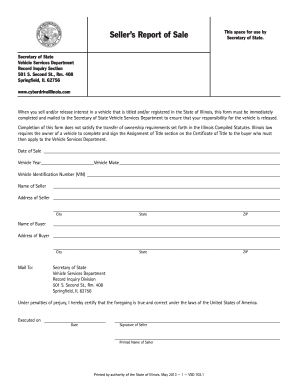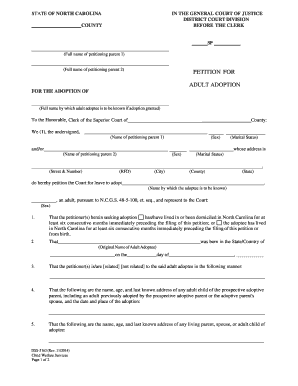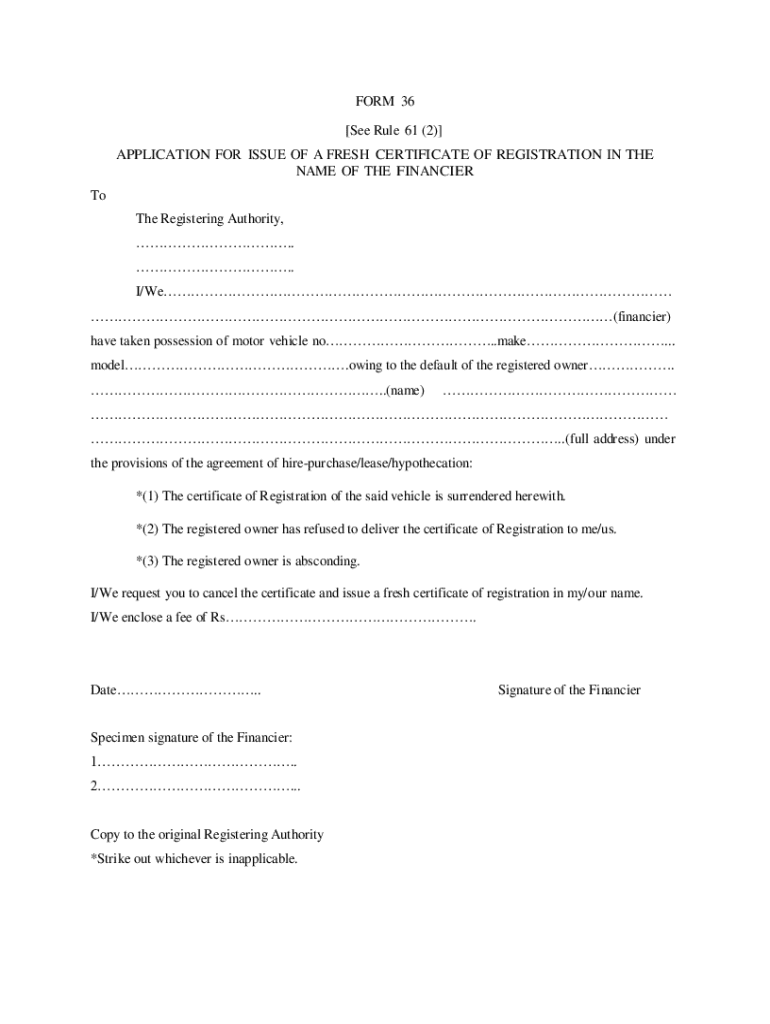







Understanding "Form Online": Definition and Meaning
Online forms, as part of digital documentation processes, are essential tools for collecting information efficiently and accurately. Whether you're registering for services, applying for permits, or submitting applications, online forms offer a convenient alternative to traditional paper-based methods. These forms can be designed to accommodate various data types through customizable fields such as text inputs, checkboxes, and dropdown menus. They are often embedded into web platforms, allowing users to complete and submit them digitally.
Advantages of Using Online Forms
- Convenience: Users can fill out and submit forms from any location with internet access.
- Efficiency: Faster processing compared to paper forms, reducing administrative overhead.
- Accuracy: Minimizes errors with the use of mandatory fields and data validation.
- Environmentally Friendly: Reduces the need for paper, contributing to sustainability efforts.
How to Use a Form Online: Practical Guide
Using an online form involves accessing it through a web portal or email link, completing the required fields, and submitting it to the relevant authority or organization. Here are the steps for successfully using an online form:
- Access the Form: Find the form on the website or through an email link.
- Read Instructions: Carefully go through any guidelines or instructions provided to avoid errors.
- Fill Out the Form: Enter the required information in the designated fields. Mandatory fields will typically be marked.
- Review: Double-check the entered information for accuracy and completeness.
- Submit: Once confident in the accuracy of the information, submit the form by clicking the designated button.
- Confirmation: Look for a submission confirmation message or email, ensuring your form was received successfully.
Common Features of Online Forms
- Built-in Validation: Ensures data is collected in the correct format.
- Save and Resume: Allows users to save progress and complete the form later.
- Confirmation Receipts: Provides a record of submission.
Obtaining the Form Online: Sources and Accessibility
Forms can typically be obtained directly from the organization that requires them. This could include government websites for official applications or private business platforms for service registrations. It is crucial to ensure that forms are accessed from trusted sources to protect personal data and ensure form authenticity.
Where to Find Online Forms
- Official Websites: Government or institution websites commonly provide access to necessary forms.
- Emails: Some forms can be accessed via secure links sent to your registered email.
- Online Portals: Many institutions have dedicated portals where users can log in to access and manage forms.
Steps to Complete the Form Online
Completing an online form is a straightforward process. For an in-depth understanding, consider these detailed steps:
- Login/Register (if required): Some platforms may require you to create an account or log in to access the form.
- Navigate to the Form: Use the website's navigation to locate the form quickly.
- Complete Required Fields: Focus on the fields marked with asterisks, as they are mandatory.
- Attach Supporting Documents: If needed, upload any supplementary documents such as identification or proof of address.
- Consent and Review: Agree to any terms or conditions and review all entries.
- Final Submission: Click the submit button and wait for confirmation.
Examples of Mandatory Fields
- Name: Full legal name as per identification documents.
- Address: Current residential address, including ZIP code.
- Contact Details: Active phone number or email for communication.
Reasons to Utilize Form Online
Digitizing form submission processes offers several compelling reasons for organizations and individuals to shift to using online forms:
- Speed: Eases the submission and processing speeds.
- Accessibility: Availability around the clock, not restricted by office hours.
- Data Security: Enhanced security features protect sensitive information.
Who Typically Uses Online Forms?
Online forms cater to a broad range of users across different sectors, enhancing their interaction with digital services:
Common Users
- Individuals: For personal applications, registrations, or forms like tax submissions.
- Corporates: Businesses use forms for employee onboarding, client feedback, and agreements.
- Educational Institutions: Facilitate student registrations and academic submissions.
- Government Agencies: Simplify citizen applications for permits and services.


Key Elements of Online Forms
To optimize the use of online forms, several critical components are usually integrated:
- User Interface (UI): An intuitive and clear layout enhances usability.
- Automated Responses: Provides immediate feedback to users post-submission.
- Responsive Design: Ensures forms are usable across different devices and screen sizes.
Legal Use and Compliance of Online Forms
Ensuring the legality of online forms is a foundational aspect of their design and deployment. Forms must comply with relevant legal standards to ensure confidentiality and data integrity, often including:
Compliance Considerations
- Data Protection Laws: Adherence to privacy laws such as GDPR or CCPA.
- Electronic Signatures Legality: Utilizing platforms like DocHub for e-signatures compliant with the ESIGN Act.
State-Specific Rules Governing Online Forms
In the United States, some forms may have state-specific requirements or regulations that need to be adhered to. Understanding these can avoid potential legal complications:
Example Variations
- State Taxes: Forms may have different fields based on state tax laws.
- Licenses and Permits: Requirements may vary for state-issued permits or licenses.