Definition and Purpose of Adult Day Care Application Forms
Adult day care application forms serve as the gateway to accessing services offered by adult day care centers. These forms are designed to collect detailed information about potential participants to ensure that they receive the most appropriate care suited to their individual needs. Typically, the forms request information regarding personal details like name, address, and date of birth. More critically, they ask for health-related information, including medical history, current medications, and any special dietary or care needs. This comprehensive data collection helps center staff tailor their programs and services to meet specific requirements and improve the overall care experience.
How to Use the Adult Day Care Application Forms
Using adult day care application forms effectively involves a series of steps. First, obtain the necessary form from the chosen adult day care provider. Once you have the form, carefully read through each section. It is crucial to fill in all required fields accurately to avoid any processing delays. Some sections may require detailed responses, particularly those related to health and medical information. After completing the form, be sure to review it for completeness and accuracy. If applicable, you may need to provide additional documents, such as identification or medical records. Finally, submit the form according to the provider's instructions, which might include mailing the form, submitting it in person, or using an online portal.
How to Obtain Adult Day Care Application Forms
Adult day care application forms can be obtained through multiple channels. Most adult day care centers provide these forms directly at their facilities or through their official websites. For those without online access, many centers will mail the application upon request if contacted via phone. Additionally, some local health departments or senior community centers might have these forms available and can assist with completion if necessary. When reaching out to obtain a form, it's also a good opportunity to ask about any specific submission requirements or necessary documentation to include with the application.
Steps to Complete Adult Day Care Application Forms
-
Read the Instructions: Begin by thoroughly reviewing any instructions provided with the application form to understand its requirements and deadlines.
-
Gather Necessary Information: Before filling out the form, collect all required information, such as personal identification details, health insurance information, and medical history.
-
Complete the Form: Follow the instructions to fill in each section of the form, ensuring that all information is accurate and consistent.
-
Attach Additional Documents: If the application requires supporting documents, such as a copy of an ID or medical records, make sure these are attached to the form.
-
Review the Application: Once the form is complete, double-check all entries for accuracy and completeness to prevent any issues that could delay the process.
-
Submit the Form: Send the completed application as per the center’s guidelines, which may involve mailing it, submitting it online, or delivering it in person.
Key Elements of Adult Day Care Application Forms
The application forms for adult day care services typically include several key elements designed to capture comprehensive participant information:
-
Personal Information: Applicant’s name, address, phone number, and emergency contact details.
-
Health Details: Information on medical conditions, medications, and healthcare providers.
-
Financial Information: Sometimes required to determine eligibility for financial assistance.
-
Insurance Information: Data about the applicant's health insurance for coverage of services.
-
Consent and Signatures: Necessary acknowledgments and signatures to validate the application.
Legal Use of Adult Day Care Application Forms
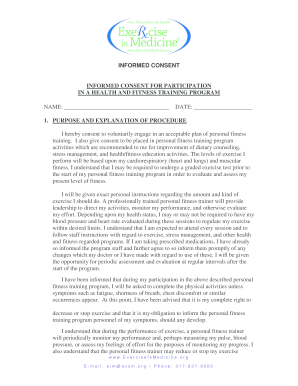
The legal use of adult day care application forms ensures compliance with privacy laws and regulations, including the Health Insurance Portability and Accountability Act (HIPAA). Applicants' personal and health information collected via these forms must be handled confidentially and used only for the purpose of assessing eligibility and providing appropriate care services. Centers must disclose how this information will be used and obtain consent from applicants or their legal guardians. This legal framework guarantees that the applicant's rights and privacy are safeguarded throughout the application process.
State-Specific Rules for Adult Day Care Application Forms
State-specific regulations can influence how adult day care application forms are structured and processed. Different states may have varying requirements regarding the type of information collected or additional documents that need to be included. For instance, some states require background checks for applicants who receive state-funded care, while others might have specific licensure requirements for care facilities that need to be met before an application is processed. Due to these variations, it's crucial for applicants to understand specific state guidelines applicable to their location to ensure compliance and avoid application delays.
Examples of Using Adult Day Care Application Forms
Real-world scenarios highlight the significance of adult day care application forms. For instance, an elderly individual with Alzheimer’s disease may use these forms to enroll in a program offering specialized memory care services, helping alleviate the family's caregiving burden. Another case might involve a disabled adult seeking day care to engage in social activities while their primary caregiver is at work. These examples underscore the forms' role in facilitating access to essential services tailored to individual circumstances, thereby enhancing the quality of life for both participants and their families.
Required Documents for Adult Day Care Application
Submitting a complete adult day care application often requires multiple documents to verify the applicant's identity, health status, and eligibility. Typically, these might include:
- A copy of government-issued Identification: Such as a driver’s license or passport.
- Medical Records: Recent health assessments or reports from a healthcare provider.
- Insurance Information: Current policy details for health coverage.
- Financial Statements: Possibly required if applying for financial aid or subsidies.
- Proof of Residence: Utility bills or lease agreements to verify the applicant’s address.
Proper documentation ensures a smooth application process, allowing the care provider to assess needs accurately and expediently.