




01. Edit your form online
Type text, add images, blackout confidential details, add comments, highlights and more.

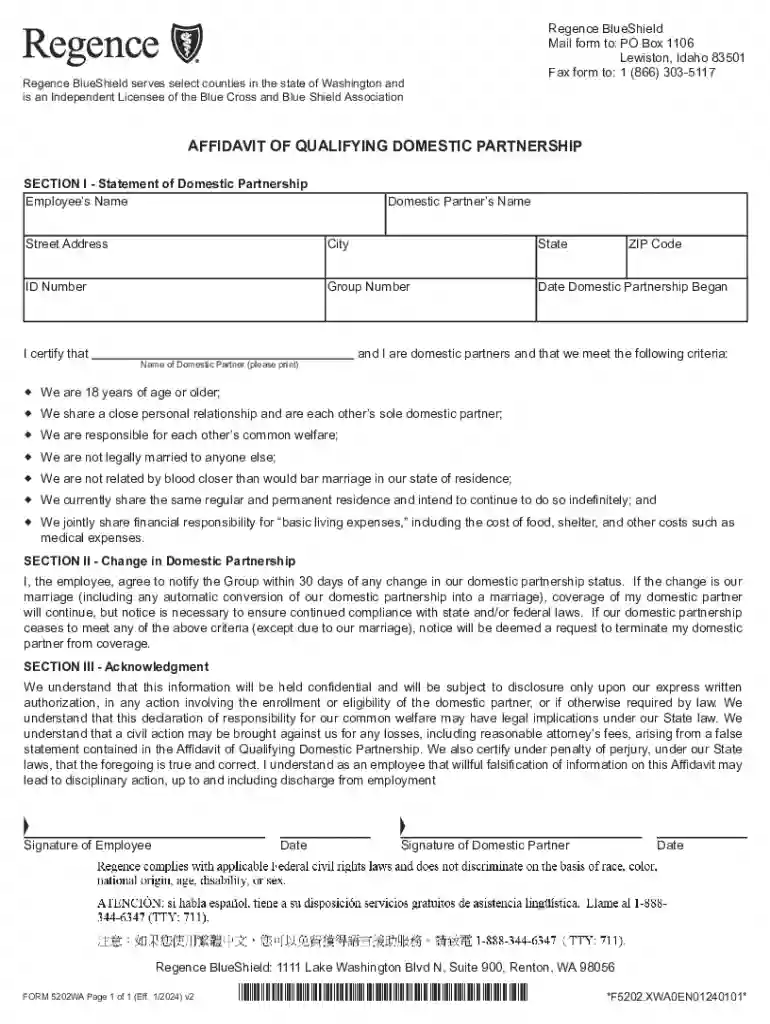
Type text, add images, blackout confidential details, add comments, highlights and more.

Draw your signature, type it, upload its image, or use your mobile device as a signature pad.

Send it via email, link, or fax. You can also download it, export it or print it out.
The Affidavit of Qualifying Domestic Partnership is a legal document used to officially recognize a domestic partnership for purposes such as insurance benefits, legal rights, or other forms of acknowledgment. It typically involves the declaration of a mutual agreement between partners who share a domestic life, similar to that of a married couple, but may not have taken formal marriage vows. This form is essential for couples who need to demonstrate the legitimacy of their relationship for legal or financial purposes.
Different organizations or jurisdictions might have distinct criteria and definitions for what constitutes a domestic partnership, emphasizing the need for potential filers to check the specific requirements relevant to their circumstances.
The affidavit generally contains several key sections that partners must complete. These include:
Every section holds critical weight in establishing the partnership's validity, which can affect eligibility for benefits or recognition. Accuracy and truthfulness are paramount since any falsehoods could result in penalties.
The affidavit serves multiple practical purposes:
In some cases, individuals may be required to update the affidavit if their relationship status changes, highlighting the need for ongoing attention to one's legal relationship documentation.
Completing this affidavit is a structured process that requires attention to detail. Here’s how it’s done:
Some individuals may face difficulties in providing proof of financial interdependence, which underscores the importance of maintaining comprehensive records.
The affidavit’s primary purpose is to provide a legal basis for recognizing domestic partnerships in various contexts:
Filing false statements can have serious legal ramifications, including potential fraud charges. Thus, honesty and integrity in completing the affidavit are crucial.
Before filing, it's essential to ensure that one meets the eligibility criteria, which might include:


The specific criteria for eligibility can differ widely depending on local laws and regulations, highlighting the need for potential applicants to review jurisdiction-specific requirements.
Jurisdictions across the United States have diverse rules pertaining to the recognition of domestic partnerships:
Understanding and complying with state-specific rules is critical to ensuring the recognition of the domestic partnership and to avoid any potential legal issues arising from non-compliance.
The affidavit has a variety of practical applications:
By exploring specific applications and implications of the Affidavit of Qualifying Domestic Partnership, individuals can better navigate the complexities associated with achieving legal and financial recognition of their relationship.
We've got more versions of the Affidavit of Qualifying Domestic Partnership form. Select the right Affidavit of Qualifying Domestic Partnership version from the list and start editing it straight away!
At DocHub, your data security is our priority. We follow HIPAA, SOC2, GDPR, and other standards, so you can work on your documents with confidence.
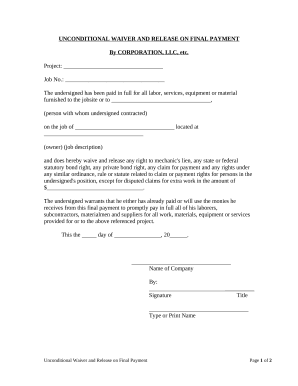
1. We have provided the information in this Affidavit for the purpose of determining eligibility for the domestic partner benefits offered by the UniversitysRead more
Domestic Partner (1) are each others sole domestic partner and intend to remain committed to one another indefinitely; (2) (a) have a common residence,


