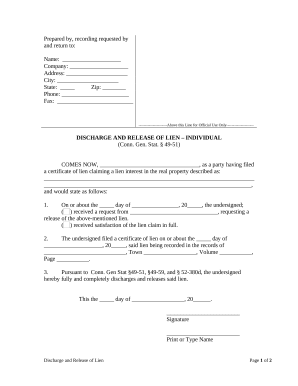
01. Edit your form online
Type text, add images, blackout confidential details, add comments, highlights and more.

Type text, add images, blackout confidential details, add comments, highlights and more.

Draw your signature, type it, upload its image, or use your mobile device as a signature pad.

Send it via email, link, or fax. You can also download it, export it or print it out.
The "Acknowledgement of Service - CEBTA - RTA Complaints" form is a legal document used in response to a Road Traffic Accident (RTA) complaint, managed by the Central European Business and Trade Association (CEBTA). This document notifies the court or relevant authority that the defendant has received the complaint and provides a structured way to proceed with the case. It is integral in the legal process to ensure timely and orderly legal proceedings by confirming receipt of the legal documents related to the complaint.
To appropriately use the Acknowledgement of Service form, one must follow these steps:
Review the Complaint: Carefully read the RTA complaint to understand the claims against you.
Complete the Form: Use the form to indicate whether you fully admit, partially admit, or dispute the claims presented in the RTA complaint.
File Promptly: Submit the form within the stipulated deadline to avoid default judgments.
Consult Legal Counsel: If necessary, seek legal advice to ensure accurate and comprehensive completion of the form, especially if you dispute the claims.
Obtaining the Acknowledgement of Service form can be done through various methods:
Online Platforms: Access the form through legal document websites, including "", which provide it digitally for download or online completion.
Legal Institutions: Visit local CEBTA offices or websites dedicated to legal forms related to trade and traffic complaints to retrieve the document.
Direct Inquiry: Contact CEBTA or e-court services that handle RTA complaints to request the form.
Completing the form requires careful attention to detail:
Identify the Parties: Clearly list the names and addresses of both the complainant and defendant.
Examine Claims: Carefully analyze the specific claims made and decide your position concerning each one.
Select the Right Option: Indicate whether you admit, partially admit, or dispute the claims.
Sign and Date: Ensure the form is signed and dated by the defendant or authorized representative to validate it.
Submit Form: File the completed form as instructed, either online, via mail, or in person.
The form serves several critical purposes:
Legal Compliance: Acts as a formal acknowledgement of receipt to comply with legal protocols.
Response Clarity: Clearly defines the defendant’s response to the complaint, reducing misunderstandings.
Time Management: Avoids default judgment by adhering to response times set by legal authorities.
This form is primarily used by:
The form incorporates essential components:
The form is utilized within legal contexts to ensure proper judicial procedures are followed:
The form is ubiquitously applied in scenarios such as:
Failure to submit the form can lead to serious repercussions:
Individuals have multiple options for submitting the form:
Online Submission: Digital platforms offered by legal service providers facilitate online filing.
Mail: Traditional postal services can be used, provided they meet filing deadlines.
In-Person Filing: Direct submission to applicable legal offices or court services.
In the U.S., compliance may vary by state:
These varying rules necessitate that users verify local requirements to ensure compliance.
We've got more versions of the Acknowledgement of Service - CEBTA - RTA Complaints - cebta org form. Select the right Acknowledgement of Service - CEBTA - RTA Complaints - cebta org version from the list and start editing it straight away!
At DocHub, your data security is our priority. We follow HIPAA, SOC2, GDPR, and other standards, so you can work on your documents with confidence.