




01. Edit your form online
Type text, add images, blackout confidential details, add comments, highlights and more.

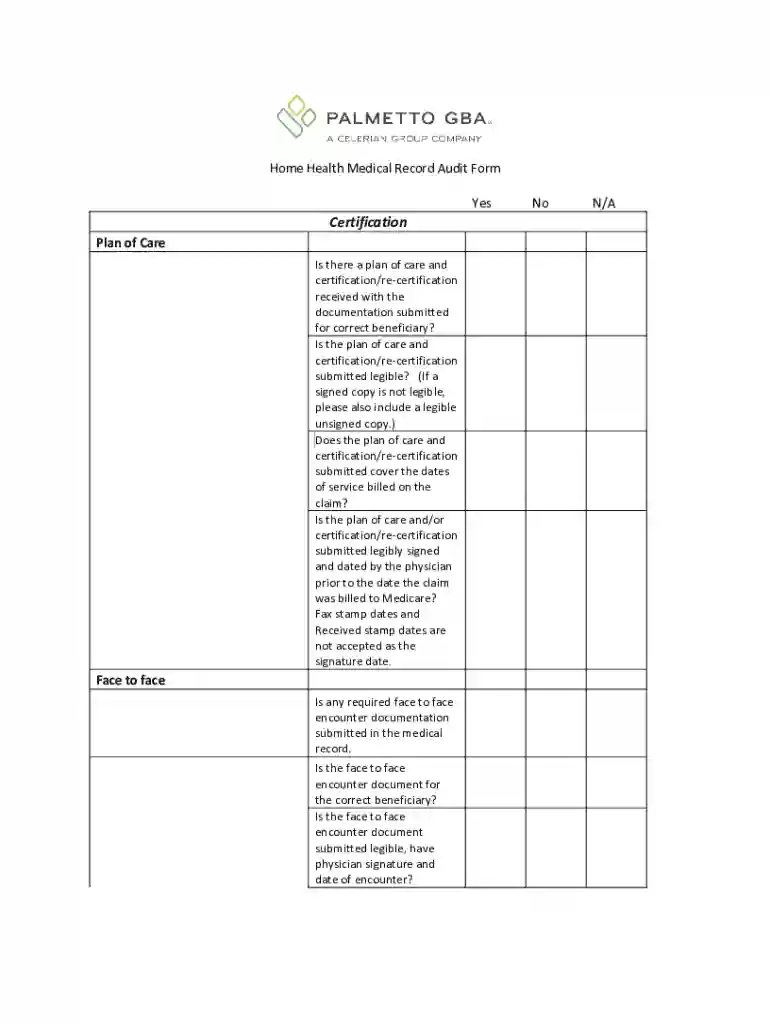
Type text, add images, blackout confidential details, add comments, highlights and more.

Draw your signature, type it, upload its image, or use your mobile device as a signature pad.

Send it via email, link, or fax. You can also download it, export it or print it out.
The Home Health Medical Record Audit Form - Palmetto GBA is a crucial document used to evaluate and verify the compliance of home health services with Medicare billing standards. It outlines the documentation requirements necessary for certifying home health services, including details on physician orders, patient eligibility through face-to-face encounters, and fulfillment of homebound prerequisites. This form ensures that medical services provided at home are medically justified and thoroughly documented, thus facilitating proper Medicare reimbursements.
Using the Home Health Medical Record Audit Form involves multiple steps focused on verifying the adequacy and completeness of patient records. To begin, gather all relevant patient documentation, including physician orders, clinical notes, and therapy service records. Check each document against the audit form criteria, ensuring they meet all specified documentation standards. This includes verifying the legibility and accuracy of clinical findings. It is beneficial to involve an interdisciplinary team in this review process to cover various aspects of the patient's care, ensuring comprehensive compliance.
Utilizing this form is essential to ensure compliance with Medicare guidelines, thereby securing proper reimbursements and avoiding penalties for non-compliance. It helps home health providers maintain organized and complete records, which are crucial for audits and continuous care quality assurance. By using this form, providers can systematically review and verify the adequacy of their patient documentation, ultimately enhancing the standard of care provided and maintaining eligibility for Medicare reimbursements.
Legal use of the Home Health Medical Record Audit Form requires meticulous attention to documentation requirements, ensuring that all records align with Medicare and federal regulations. This includes maintaining the confidentiality and security of patient records, as mandated by HIPAA. Entities using this form must regularly update their compliance procedures to reflect any changes in federal guidelines or Medicare policies, thus safeguarding against legal challenges related to documentation deficiencies.
While the form is based on federal Medicare guidelines, individual states may have additional or specific rules that impact its completion. For example, states might impose unique stipulations regarding face-to-face evaluation documentation or homebound status requirements. It is crucial for home health agencies to stay informed about any state-specific regulatory nuances to ensure compliance and seamless service delivery.
The Home Health Medical Record Audit Form is issued by Palmetto GBA, an administrative services provider for government healthcare programs, which oversees the auditing process for Medicare home health services. Palmetto GBA facilitates the implementation of Medicare policies and ensures that home health agencies adhere to federal compliance standards through a detailed review and auditing process.
Failure to comply with the documentation and submission requirements of the Home Health Medical Record Audit Form can result in significant penalties for home health agencies. These may include denial of Medicare claims, financial penalties, or even suspension from the Medicare program. Maintaining meticulous records in line with the audit form requirements helps safeguard against such adverse outcomes.
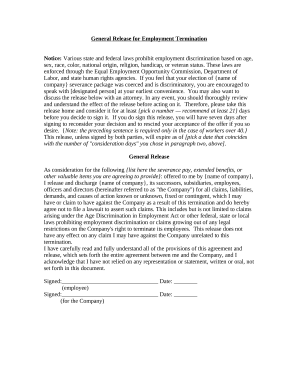
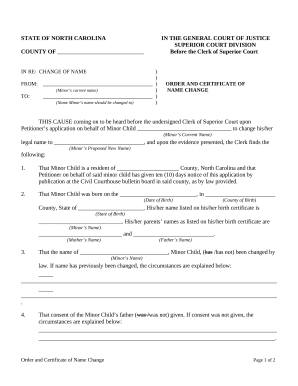
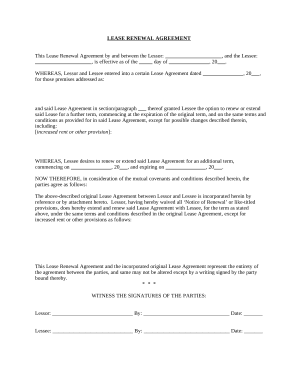
We've got more versions of the Home Health Medical Record Audit Form - Palmetto GBA form. Select the right Home Health Medical Record Audit Form - Palmetto GBA version from the list and start editing it straight away!
At DocHub, your data security is our priority. We follow HIPAA, SOC2, GDPR, and other standards, so you can work on your documents with confidence.
May 29, 2013 The hospitals used incorrect patient discharge status codes on their claims, indicating that the patients were discharged to home rather thanRead more
TPE (external link) (Target Probe and Educate) is a data‐driven MAC review that uses small claim samples and one‐on‐one education to fix billing and


