Definition and Meaning of Forms Online
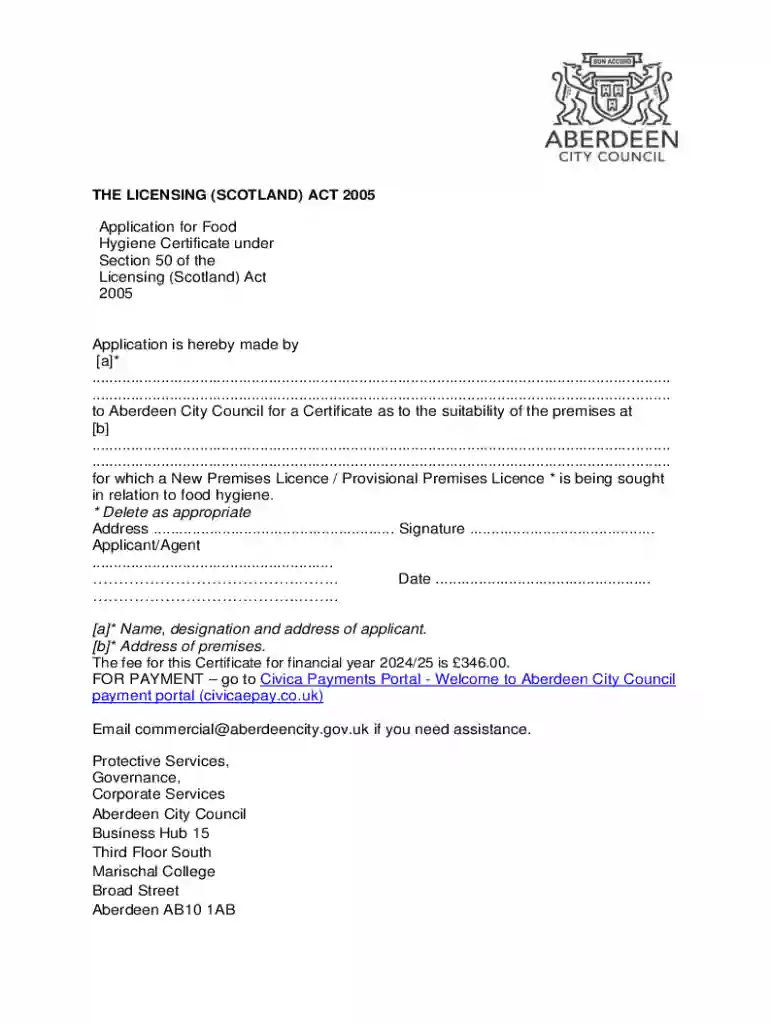
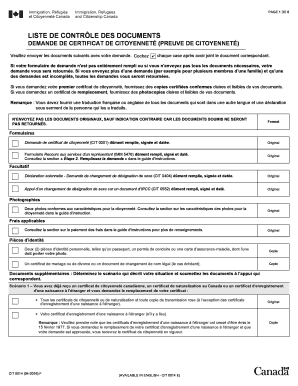
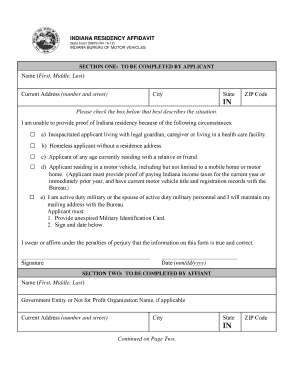
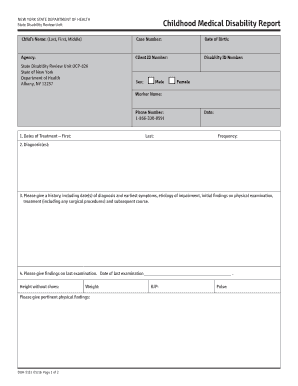
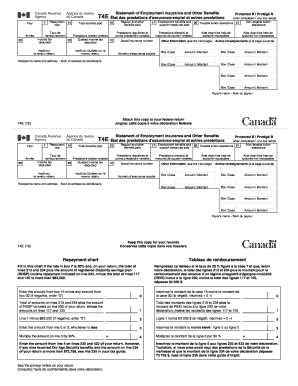
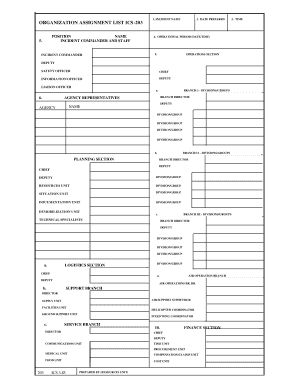
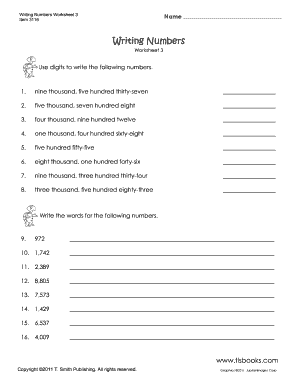
Forms online refer to digital documents available for various applications, submissions, or data collection purposes. These forms can be accessed, completed, and submitted via the internet, streamlining processes traditionally dependent on paper. Online forms encompass a wide range of uses, including tax filings, legal applications, business registrations, and personal data submissions. The digital nature of these forms facilitates quicker completion time and more efficient data management.
Types of Online Forms
- Tax Forms: Includes filings required by the IRS, such as the W-9 for freelancers or the 1040 for individual taxpayers.
- Legal Documents: Forms like DS-11 for passport applications or legal declarations.
- Business Registration: Online submissions for business licenses or permits.
- Feedback and Surveys: Customizable forms for collecting feedback or opinions.
Benefits of Online Forms
- Accessibility: Forms can be accessed from any device with internet connectivity.
- Speed: Faster submission and processing time compared to traditional paper forms.
- Efficiency: Automates data collection and reduces errors through standardized fields.
How to Use Forms Online
Completing forms online generally involves accessing a specified website, downloading or opening the form in a digital format, and filling out the required information using an editor like DocHub.
Step-by-Step Guide
- Access the Form: Visit the relevant website or portal where the form is housed.
- Open the Form: Use compatible software or an online platform to open editable forms.
- Complete the Form: Fill in the necessary fields, ensuring all information provided is accurate and complete.
- Save or Print: Once filled, save a copy for your records or print if a hard copy is required.
- Submit: Follow the instructions for the electronic submission if applicable.
Essential Tools
- Document Editors: Platforms such as DocHub offer functionalities like adding text, images, and signatures.
- PDF Readers: Applications like Adobe Acrobat for viewing and editing PDF forms.
How to Obtain Forms Online
To obtain a form online, you typically visit a specific website affiliated with the form's purpose—whether it's a government site for tax paperwork or a company portal for employment applications.
Common Sources
- Government Websites: For official forms like tax documents or licensing applications.
- Company Portals: For internal forms or business-related applications.
- Document Editing Platforms: Sites like DocHub allow users to import various form formats.
Downloading Procedures
- Direct Download: Click the download link or button to save the file directly to your device.
- Cloud Integration: Save files directly to cloud storage like Google Drive or Dropbox.
Steps to Complete a Form Online
Completing an online form involves several key steps, ensuring that users provide required information for processing and approval.
Detailed Steps
- Review Requirements: Understand what information is necessary before starting.
- Gather Documents: Collect any documentation or data needed for form completion.
- Fill Out Form: Enter information exactly as requested in the appropriate fields.
- Check for Errors: Verify data entries to prevent submission errors.
- Save Progress: Regularly save your work, especially for lengthy forms.
- Submit Form: Follow submission guidelines provided for electronic filing.
Tips for Efficient Completion
- Use Auto-fill Features: Certain platforms support auto-fill for fields, speeding up the process.
- Utilize Help Resources: Frequently asked questions or customer support may assist with uncertainties.
Key Elements of Form Online
Understanding the main components included in online forms is essential for accurate completion.
Common Elements
- Personal Information: Name, address, and contact details.
- Identifiers: Social security number, tax ID, or business registration numbers.
- Signatures: Electronic signature fields for validation and consent.
- Date Fields: For indicating submission or effective dates.
Importance of Accuracy
Accurate information ensures the processing of the form without delays or rejections. Cross-check data with official records when necessary.
Digital vs. Paper Version
Opting for digital or paper form completion depends on user preference and specific form requirements.
Comparison
Digital Forms:
- Environmentally friendly
- Immediate submission and confirmation
- Easy to store and retrieve
Paper Forms:
- Traditional, may be required in some scenarios
- Can be more comfortable for people with limited digital skills
- Risk of physical loss or damage
Software Compatibility
Certain online forms may require compatibility with specific software for viewing and editing.
Compatible Software
- Adobe Acrobat: Widely used for PDF forms.
- DocHub: Supports a range of file formats and offers editing, signing, and sharing tools.
- Microsoft Office: For forms in DOC or XLS formats.
Considerations
Ensure the software in use supports any required operations, such as digital signing or form field completion. Software updates may be necessary for optimal performance.
Application Process & Approval Time
The application process for completing online forms can vary significantly depending on the form's purpose.
Process Overview
- Initial Submission: Fill and submit the form according to provided guidelines.
- Review Phase: Forms undergo verification to ensure all criteria are met.
- Approval Notification: Applicants receive confirmation of approval or amendment requests if additional information is necessary.
Timing Factors
- Type of Form: Government forms may take longer due to processing queues.
- Completeness: Incomplete or inaccurate submissions may result in delays.
- External Approvals: Forms requiring third-party validation can extend timelines.
Understanding these aspects ensures you gain maximum utility from using forms online, emphasizing the necessity for attention to detail and familiarity with digital tools.