




01. Edit your form online
Type text, add images, blackout confidential details, add comments, highlights and more.

Type text, add images, blackout confidential details, add comments, highlights and more.

Draw your signature, type it, upload its image, or use your mobile device as a signature pad.

Send it via email, link, or fax. You can also download it, export it or print it out.
A Veterinary Invoice Template is a structured document used by veterinary practices to itemize services provided to clients and calculate the costs associated with those services. It serves as a legal record of a transaction and provides transparency for both the service provider and the client. This template typically includes sections for client information, pet details, service descriptions, and pricing. By standardizing the invoicing process, veterinary clinics can ensure accurate and efficient billing.
Using a Veterinary Invoice Template facilitates a streamlined approach to documenting services and billing clients. Here's a step-by-step guide on how to effectively utilize this template:
Enter Client and Pet Information: Fill in the relevant sections with accurate details about the client and their pet. This ensures the invoice is directed to the right individual and contains all pertinent pet information.
Populate Service Details: List each service provided during the veterinary visit. Be detailed in your descriptions to minimize any potential confusion or billing disputes.
Calculate Costs and Taxes: Utilize the template's structured format to automatically compute the costs, including any applicable taxes. This ensures accuracy and transparency in the total amount due.
Specify Payment Terms: Clearly state the payment terms, including due dates, accepted payment methods, and any late fee policies. This sets expectations and encourages timely payments.
Review and Distribute: Double-check the completed invoice for accuracy before sending it to the client. Distribute the invoice via email or print it for physical delivery, depending on the client's preferences.
This template is primarily used by veterinary clinics and hospitals to manage billing processes. Veterinarians, administrative staff, and practice managers frequently interact with the template. It is especially beneficial for practices that handle a high volume of clients and need to maintain organized records.


The Veterinary Invoice Template must adhere to legal standards to ensure compliance and validity in business transactions. It complies with billing and tax regulations by clearly itemizing services and including necessary legal disclaimers or terms.
The template is composed of critical sections that support accurate and efficient billing processes. A comprehensive invoice template includes various elements essential for operational and legal purposes.
The Veterinary Invoice Template should be compatible with various software solutions to facilitate easy integration with existing systems. Compatibility ensures the invoice can be used effectively across platforms and devices.
Completing the Veterinary Invoice Template involves a sequential approach to filling out the necessary information and ensuring everything is accurate before distribution.
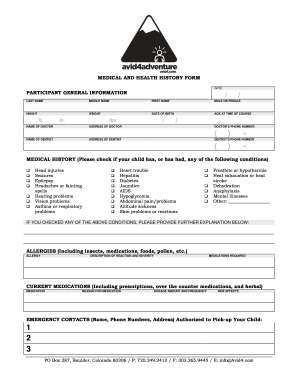
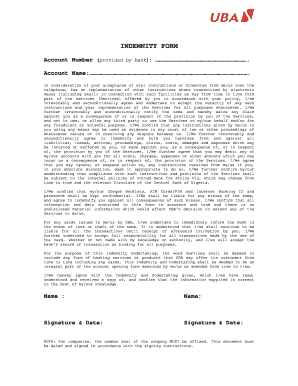
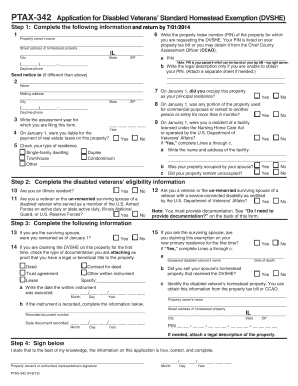
We've got more versions of the Veterinary Invoice Template form. Select the right Veterinary Invoice Template version from the list and start editing it straight away!
At DocHub, your data security is our priority. We follow HIPAA, SOC2, GDPR, and other standards, so you can work on your documents with confidence.




The billing system will issue a new invoice number each month. Charges are billed on a monthly invoice. can be managed through the AHDCs online portal. Center
The complaint summary should include the reason for the complaint with as much detail as possible. Emphasis is placed on providing necessary factual informationRead more


