




01. Edit your form online
Type text, add images, blackout confidential details, add comments, highlights and more.

Type text, add images, blackout confidential details, add comments, highlights and more.

Draw your signature, type it, upload its image, or use your mobile device as a signature pad.

Send it via email, link, or fax. You can also download it, export it or print it out.
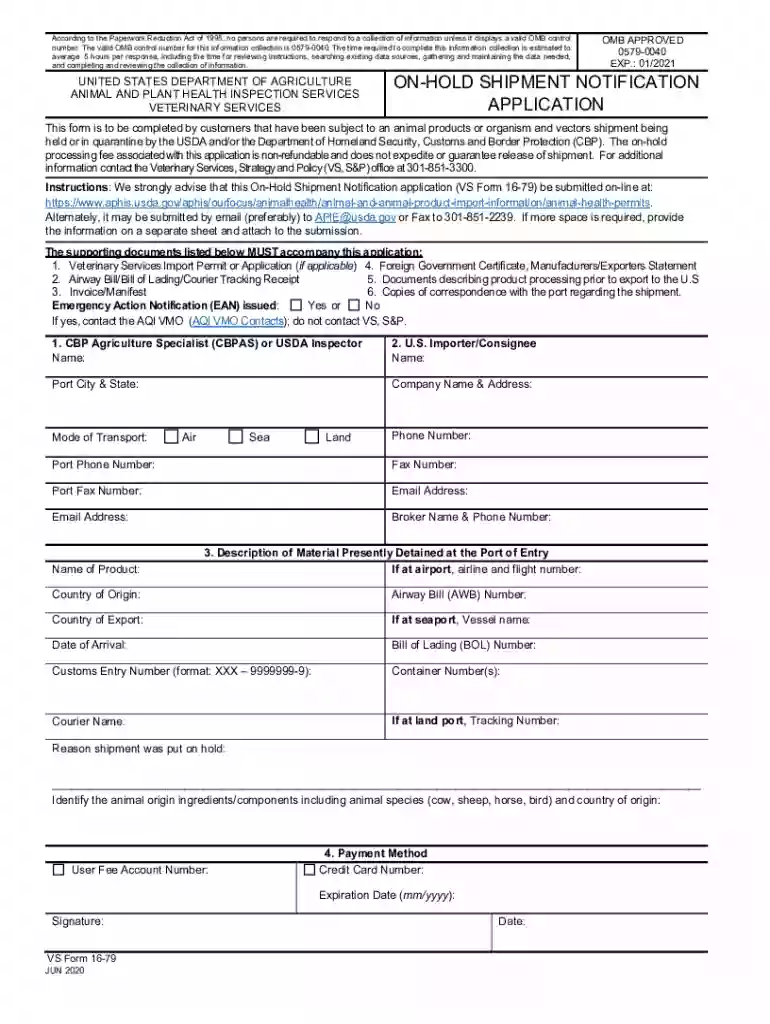
The VS 16-79 On-Hold Shipment Notification Application serves as a formal communication tool for notifying the USDA or CBP when animal products or organisms are on hold. This application is essential for compliance with regulatory requirements and helps streamline the process of addressing shipment discrepancies. It is particularly significant for ensuring that all relevant information and supporting documents are accurately captured, facilitating a swift resolution.
Ensure compliance with the Paperwork Reduction Act by including a valid OMB control number on applications. Failing to do so might delay processing or lead to legal challenges. The application also reinforces adherence to USDA and CBP policies, crucial for preventing legal infringements and promoting regulatory transparency.
Entities involved in the import or export of animal products or organisms must typically complete this form if shipments are delayed due to compliance or regulatory issues. This includes importers, exporters, freight forwarders, and customs agents handling sensitive biological materials or agricultural products.


Non-compliance with the submission regulations for the VS 16-79 can result in substantial penalties, including fines or seizure of shipments. Moreover, any delay in submission might prolong shipment holds, causing financial losses and operational delays. It's crucial to adhere to all regulatory requirements to avoid legal repercussions and maintain business continuity.
We've got more versions of the VS 16-79 On-Hold Shipment Notification Application form. Select the right VS 16-79 On-Hold Shipment Notification Application version from the list and start editing it straight away!
At DocHub, your data security is our priority. We follow HIPAA, SOC2, GDPR, and other standards, so you can work on your documents with confidence.
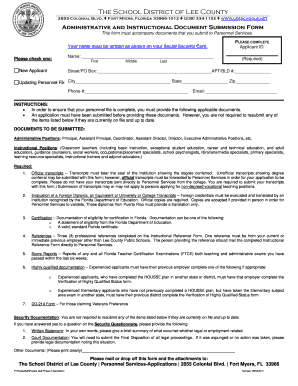

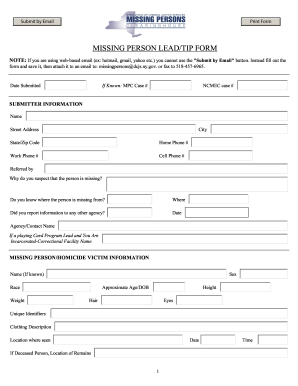
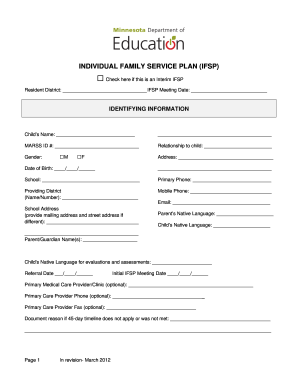
VS 16-79 On-Hold Notification Application Apply for on-hold assistance as soon as you know you need help bringing your shipment into compliance. from 1 to 5
Memo of 7 16 79 INR. July 16 1979 Acting. Information on shipments of uranium from Niger to Libya and Pakistan is fragmentury shipping DocHub quantities


