FormsQueensland Civil and Administrative Tribunal 2026

Get Form
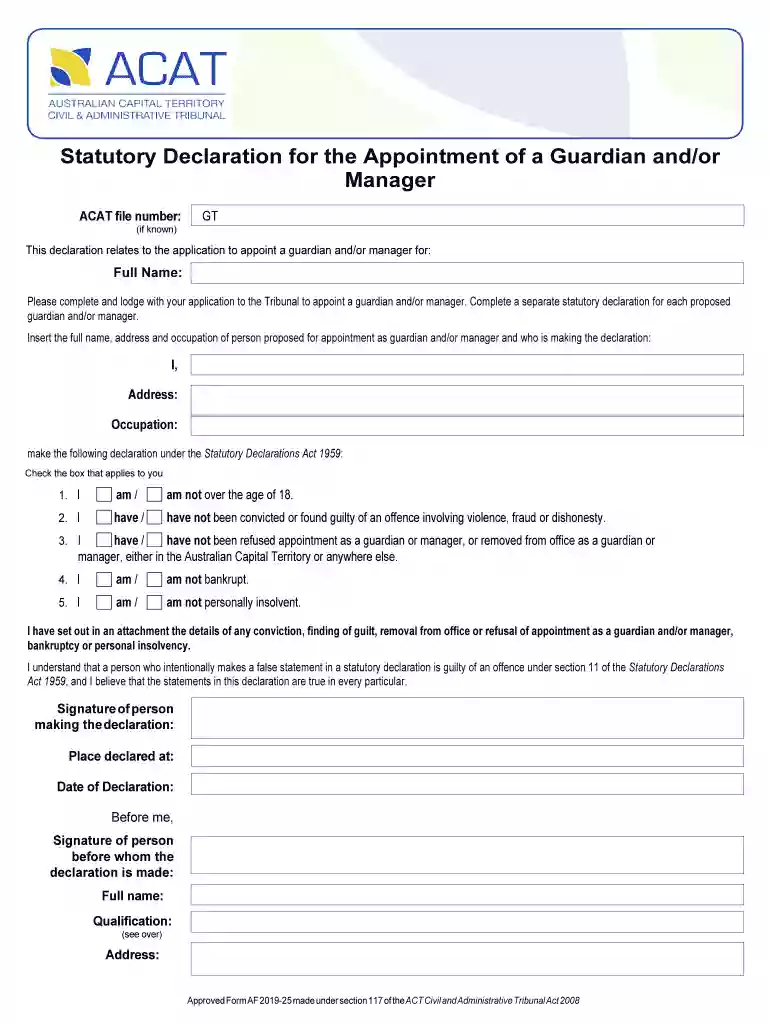
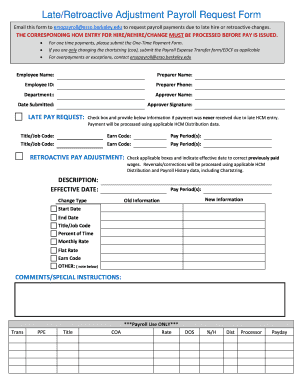
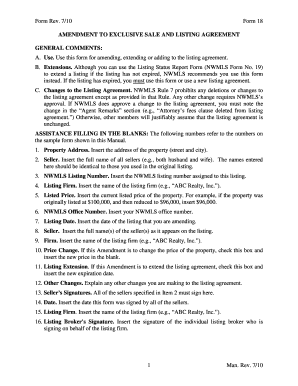
FormsQueensland Civil and Administrative Tribunal Preview on Page 1

Here's how it works

01. Edit your form online
Type text, add images, blackout confidential details, add comments, highlights and more.

02. Sign it in a few clicks
Draw your signature, type it, upload its image, or use your mobile device as a signature pad.

03. Share your form with others
Send it via email, link, or fax. You can also download it, export it or print it out.

Definition & Meaning

FormsQueensland Civil and Administrative Tribunal plays a significant role in the administrative functions within the Queensland justice system. It serves as a mechanism for individuals to resolve disputes across various sectors, including civil, administrative, and minor commercial matters. These forms are designed to streamline the process of filing applications with the tribunal, ensuring a structured and efficient workflow. They encompass a wide array of uses, from lodging complaints to addressing specific legal requests within the jurisdiction of the tribunal.

Key Elements of the FormsQueensland Civil and Administrative Tribunal

Understanding the components of the FormsQueensland Civil and Administrative Tribunal is crucial for effective completion and submission. Each form typically includes:

  • Applicant Information: Personal details, including full name and contact information.
  • Case Details: A description of the matter or dispute being brought before the tribunal.
  • Supporting Documents: Any relevant documentation that supports the claims made within the form, such as contracts or receipts.
  • Legal Declarations: Sections where the applicant must confirm the accuracy of the provided information and agree to the terms set by the tribunal.

Steps to Complete the FormsQueensland Civil and Administrative Tribunal

  1. Download the Form: Access the form through the tribunal's official website or request a physical copy from the tribunal's office.
  2. Review Instructions: Carefully read all instructions provided with the form to ensure accurate completion.
  3. Fill Out Applicant Information: Enter personal information precisely as required.
  4. Detail the Case or Issue: Clearly describe the nature of the dispute and include all pertinent facts.
  5. Attach Supporting Documents: Compile and append necessary documents that corroborate the case details.
  6. Sign the Declaration: Confirm the truthfulness of the information by signing and dating the appropriate section.

How to Obtain the FormsQueensland Civil and Administrative Tribunal

Obtaining the appropriate form involves several straightforward steps:

  • Online Access: Visit the tribunal's official website where forms are available for download.
  • Tribunal Offices: Collect forms directly from tribunal offices across Queensland, where staff can assist with selection.
  • Mail Request: Send a request to the tribunal's postal address, though this may require additional processing time.

Legal Use of the FormsQueensland Civil and Administrative Tribunal

The correct submission and use of these forms are integral to upholding the legal framework within which the tribunal operates. Forms must adhere to the statutory guidelines that define their use for:

  • Lodging Formal Complaints: Against decisions or actions taken within the tribunal's scope.
  • Requesting Modifications: For existing arrangements or decisions previously made by the tribunal.
  • Seeking Orders: Legal directions that require parties to either perform or refrain from certain actions.

State-Specific Rules for the FormsQueensland Civil and Administrative Tribunal

While the forms are standardized for use across Queensland, there can be specific rules that apply to different regions or cases:

  • Regional Variations: Some tribunal locations may impose additional documentation requirements.
  • Legislative Differences: Variations in local laws can affect the processing and outcomes of applications.
  • Administrative Differences: Differences in processing times and hearing schedules across various tribunal offices.

Important Terms Related to FormsQueensland Civil and Administrative Tribunal

Familiarity with key terms ensures accurate understanding and application:

  • Tribunal: A body with the authority to adjudicate disputes.
  • Applicant: The individual or entity submitting the form.
  • Respondent: The party against whom the application is filed.
  • Order: A legally binding decision made by the tribunal.
  • Decision: The final ruling or outcome delivered by the tribunal after reviewing the submissions.

Form Submission Methods (Online / Mail / In-Person)

Different methods suit varying preferences and needs:

  • Online Submission: Allows applicants to fill and submit forms electronically through the tribunal's website.
  • Mail Submission: Applicants can send completed forms via postal service, allowing for document tracking but possibly longer processing.
  • In-Person Submission: Directly submitting forms at tribunal offices may expedite the process and provide immediate feedback from staff.

Examples of Using the FormsQueensland Civil and Administrative Tribunal

Practical scenarios highlight the versatility and utility of the forms:

  • Consumer Disputes: Filing against a business for unresolved service issues or faulty products.
  • Tenancy Disagreements: Lodging complaints related to lease agreements or property management.
  • Administrative Reviews: Requesting a review of government agency decisions that impact personal or business operations.

Who Typically Uses the FormsQueensland Civil and Administrative Tribunal

Different groups find these forms indispensable for various reasons:

  • Individuals: Seeking redress in personal disputes, such as tenancy or debt recovery.
  • Businesses: Engaging in commercial disputes or administrative reviews.
  • Legal Representatives: Acting on behalf of clients to manage cases and ensure compliance.
  • Community Organizations: Advocating for broader public or social issues within the tribunal's jurisdiction.
decoration image ratings of Dochub

Penalties for Non-Compliance

Failure to comply with tribunal regulations can result in significant consequences:

  • Rejection of Application: Omission of essential information may cause a filing to be dismissed.
  • Monetary Penalties: Fines may be imposed for false declarations or misleading information.
  • Sanctions: Repeated non-compliance may lead to further legal actions or restrictions.

Each of these blocks provides critical insights into the operation and usage of the FormsQueensland Civil and Administrative Tribunal, ensuring comprehensive understanding and effective application for potential users.

be ready to get more

Complete this form in 5 minutes or less

Get form

Got questions?

We have answers to the most popular questions from our customers. If you can't find an answer to your question, please contact us.
Contact us
Time to finalise an application JurisdictionNumber of weeks that most* applications were finalised within** Consumers, traders and businesses 50 weeks Dividing fence disputes 46 weeks Minor debt disputes 50 weeks Residential tenancy disputes (Non urgent) 26 weeks19 more rows Aug 26, 2025
The Queensland Civil and Administrative Tribunal (QCAT) is an independent, accessible tribunal that efficiently resolves disputes on a range of matters.
Written evidence is usually given to QCAT before the final hearing of your matter. Written evidence comes in various forms, including affidavits, statutory declarations, statements and other documents.
QCATs purpose is to provide a quick and inexpensive avenue to resolve disputes between parties and make decisions.
You can only appeal a decision under specific grounds. The QCAT Appeal Tribunal or Court of Appeal (Supreme Court) do not rehear the entire case. They only decide if there was an error in law and/or facts by listening to arguments from opposing sides that may have been overlooked by the original decision-maker.

Security and compliance

At DocHub, your data security is our priority. We follow HIPAA, SOC2, GDPR, and other standards, so you can work on your documents with confidence.
Learn more
ccpa2
pci-dss
gdpr-compliance
hipaa
soc-compliance
be ready to get more

Complete this form in 5 minutes or less

Get form

People also ask

Contempt or Non-Compliance If a party wilfully ignores a QCAT order, further legal consequences may apply. This could include cost penalties or, in some cases, civil enforcement proceedings.

Related links