




01. Edit your proof of school dental examination form online
Type text, add images, blackout confidential details, add comments, highlights and more.

Type text, add images, blackout confidential details, add comments, highlights and more.

Draw your signature, type it, upload its image, or use your mobile device as a signature pad.

Send dental form via email, link, or fax. You can also download it, export it or print it out.
The school dental form is a crucial document used to capture and record the oral health status of students. Commonly employed within educational health programs, this form serves as proof of a student’s dental examination. It encompasses various sections that allow dental professionals to document significant aspects of oral health, such as caries experience, restorations, and other dental conditions. The form highlights not only existing oral health issues but also preventive care measures, such as sealant application. Additionally, it provides space for the dentist’s signature, date, and contact information, ensuring all recorded data is verified by a professional.
Utilizing the school dental form involves several key steps to ensure accurate and comprehensive documentation of a student's oral health. Primarily, a licensed dental professional conducts a thorough examination of the student’s teeth and gums. They then meticulously fill out each section of the form, logging observations about any caries, restorations, or other noticeable conditions. The form’s design typically includes predefined fields for recording this information systematically. Furthermore, dentists may provide recommendations for preventive care, such as fluoride treatments or regular cleanings, enhancing the ongoing dental health of the student.
Schedule and Conduct a Dental Examination:
Document Observations:
Sign and Date:
Acquiring a school dental form can be straightforward, often facilitated through several channels. Typically, schools distribute these forms at the beginning of the academic year as a part of their health and safety packet. Alternatively, parents and guardians can request the form directly from the school’s administrative office. For schools that have adopted digital platforms, the form may be accessible online through the school’s website or a dedicated student health portal, allowing for download and print at convenience. In some cases, dental clinics collaborating with schools may also have ready access to these forms.
The school dental form comprises several essential elements to ensure comprehensive coverage of a student’s oral health status. These include:
Student Identification:
Examination Details:
Preventive Care Information:
Dentist Verification:
Caries and Restorations:
Preventive Recommendations:
Contact Information:
While the general purpose of the school dental form is consistent across the United States, certain states may impose specific regulations or requirements. For instance, some states mandate that the form be completed annually, while others may have a biennial requirement. Additionally, there could be variations in the required information or the form's format, tailored to meet local health standards or regulations. It is paramount for schools and parents to familiarize themselves with state-specific guidelines to ensure compliance and the continuous promotion of students' oral health.
Real-world scenarios illuminate the practical use of the school dental form. In one instance, a school district partnered with local dental clinics to provide on-site examinations. During these sessions, forms were completed and immediately returned to the school administration, enhancing the efficiency of health records management. In another example, a school distributed digital versions of the form to parents, allowing them to arrange dental exams independently and return the completed electronic form via email. Both cases highlight the form's versatility and adaptability to varying logistical and technological environments.
The school dental form plays a critical role in maintaining the dental health of students. By systematically documenting and tracking oral health status, it facilitates early identification of potential issues, mitigating long-term complications. The form also encourages regular dental check-ups, instilling preventive care habits among students. Furthermore, it serves as a communication tool between schools and healthcare providers, contributing to a cohesive approach to student health. The form's impact extends beyond individual health benefits, promoting overall community wellness by fostering healthier future generations.
Compliance with legal standards is vital when handling the school dental form. In the U.S., these forms must adhere to privacy laws, such as the Family Educational Rights and Privacy Act (FERPA), safeguarding student information. Dental professionals completing the form are responsible for ensuring accuracy and truthfulness in their reports. Schools need to securely store these forms, whether in physical or digital formats, to maintain confidentiality and integrity of the student health records. Understanding and adhering to these legal requirements ensures the responsible use of the school dental form within educational contexts.
At DocHub, your data security is our priority. We follow HIPAA, SOC2, GDPR, and other standards, so you can work on your documents with confidence.
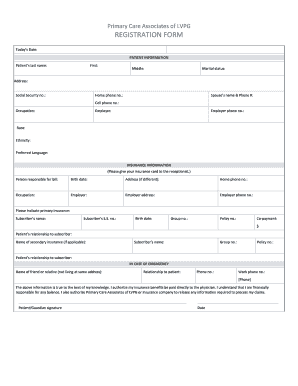
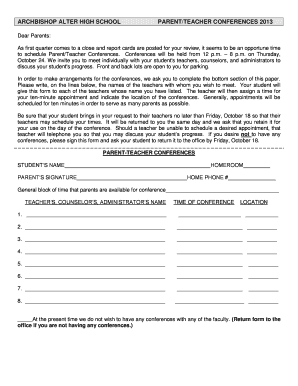
Dental Examination Form [ English | Spanish ] Dental Examination Consent Form [ English | Spanish ] Schedule vision, hearing, or dental exams for your student.
A licensed dentist must complete the examination and sign and date this Proof of School Dental Examination Form.
Feb 5, 2015 Hunter-gatherers had almost no malocclusion and dental crowding, and the condition first became common among the worlds earliest farmersRead more


