Definition & Meaning
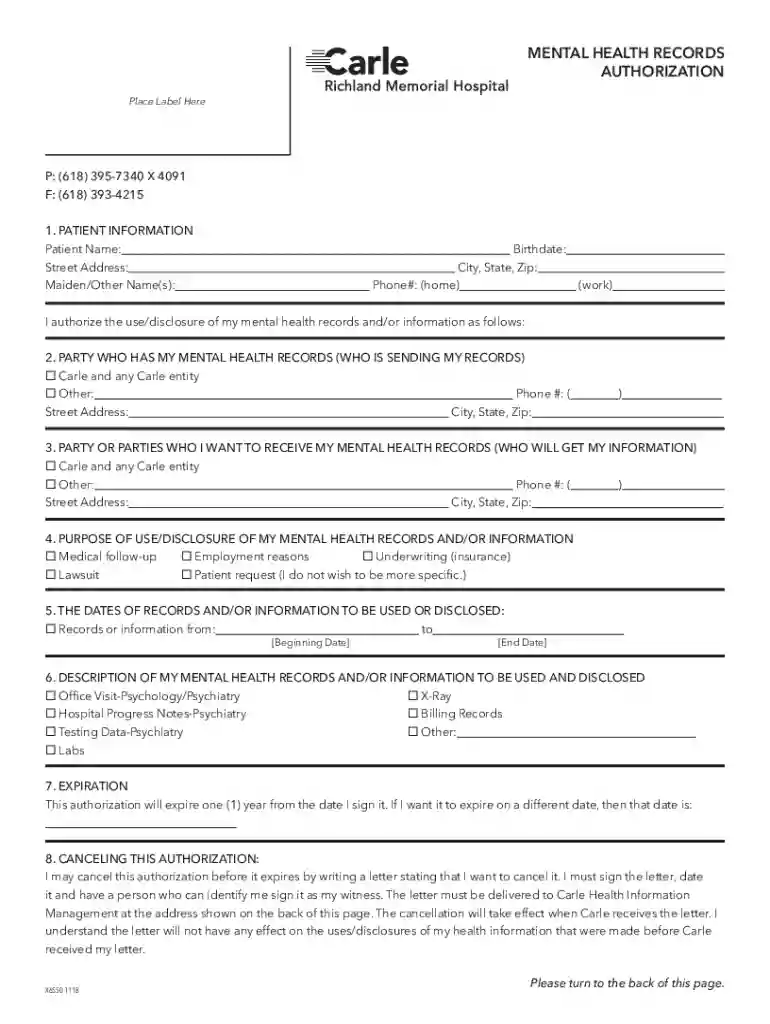
The "Mental Health Records Authorization" form is a legal document utilized in the United States that permits the disclosure and use of a patient's mental health records. This form is essential for maintaining privacy and control over sensitive medical information, ensuring that such data is only shared with parties explicitly authorized by the patient or their legal representative. The document typically outlines the information being disclosed, its purpose, and the involved parties, safeguarding against unauthorized access to mental health records.
Key Elements of the Mental Health Records Authorization
The form comprises several critical elements to ensure clarity and purposefulness:
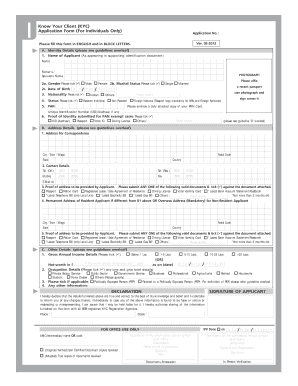
- Patient Information: Detailed section containing the name, address, date of birth, and contact details of the individual whose records are to be disclosed.
- Authorized Parties: Identifies the individuals or organizations allowed access to the mental health records. This may include healthcare providers, family members, or legal representatives.
- Purpose of Disclosure: Clearly states why the mental health records are being shared, such as for medical treatment, insurance claims, or legal proceedings.
- Expiration Date: Specifies the date or condition upon which the authorization will expire, ensuring the document’s validity is time-bound.
- Revocation Rights: Information on how the patient or their representative can cancel the authorization if required. This ensures flexibility and control over personal information.
- Signature Requirement: The authorization form must be signed by the patient or their legal representative, providing a verified consent for the release of information.
How to Use the Mental Health Records Authorization
Using the Mental Health Records Authorization involves several straightforward steps.
- Identify the Purpose: Determine why the disclosure of mental health records is necessary, such as coordinating treatment with multiple providers or filing an insurance claim.
- Gather Required Information: Collect all pertinent information about the patient and the parties involved in the sharing of records.
- Fill Out the Form: Complete the form meticulously, ensuring all sections are accurate, and the purpose and scope of disclosure are clearly defined.
- Obtain Signatures: The form needs to be signed by the patient or their legal representative to be valid.
- Submit the Form: Send the completed form to the relevant parties or organizations involved in the requested disclosure.
How to Obtain the Mental Health Records Authorization
You can acquire the Mental Health Records Authorization form through several means. Healthcare providers often supply copies directly through their offices or websites. Additionally, legal advice can be sought out to ensure all specific requirements of the form are met, and privacy laws are adhered to.
- Healthcare Providers: Many hospitals and mental health clinics offer standard versions of the form.
- Online Platforms: Websites such as DocHub provide templates and editable versions, allowing for customization to meet specific needs.
- Legal Resources: Consulting with a lawyer can yield a tailored form that complies with state regulations and individual circumstances.
Legal Use of the Mental Health Records Authorization
The use of the Mental Health Records Authorization is governed by privacy laws at both federal and state levels, primarily influenced by the Health Insurance Portability and Accountability Act (HIPAA). HIPAA sets the standard for protecting sensitive patient information, while individual states might have additional regulations.
- Federal Compliance: Ensure acknowledgment and adherence to HIPAA guidelines when using the authorization form.
- State Regulations: Some states have specific laws that necessitate additional considerations or alterations to the form, requiring awareness of geographical legal nuances.
- Legal Consultation: Consider consulting with legal professionals to navigate complexities and ensure compliance with all relevant regulations.
Important Terms Related to Mental Health Records Authorization
Understanding the terminology associated with the Mental Health Records Authorization is crucial to its proper use.
- Disclosure: The act of releasing or making available personal health information to another entity or individual.
- Authorization: Formal approval by the patient allowing their health records to be shared.
- Revocation: The right of the patient or their representative to cancel the authorization, stopping further disclosures.
- Protected Health Information (PHI): Any information about health status, provision of health care, or payment that can be linked to an individual.
Steps to Complete the Mental Health Records Authorization
Filling out this authorization form involves several specific steps to ensure all necessary elements are included and accurate.
- Complete Patient Information: Fill out the required personal details of the patient whose records are involved.
- List Authorized Parties: Specify the individuals or organizations allowed to access the records.
- Define the Disclosure Purpose: Clearly articulate the reason behind the sharing of health records.
- Determine Expiration Terms: Set a clear expiration date or condition for the authorization's validity.
- Acquire Signatures: Secure the necessary signatures from the patient or their appointed representative to validate the document.
State-Specific Rules for the Mental Health Records Authorization
Each state in the U.S. might have unique stipulations concerning the Mental Health Records Authorization. Variations can include different forms, additional required information, or specific submission processes. Thus, it is crucial to research and adhere to state-specific requirements to ensure compliance and effectiveness of the form.
- Varied Legal Requirements: Some states might have additional records required or different expiration time frames.
- Customization Needed: Ensure the form is customized to comply with local laws and regulations.
- Professional Guidance: Legal or professional consultation can assist in navigating these differences to maintain compliance.
By understanding these facets of the Mental Health Records Authorization form, both patients and practitioners can facilitate the secure, compliant sharing of mental health records, strengthening the protection of sensitive information and enhancing collaborative care.