




01. Edit your notarized consent form online
Type text, add images, blackout confidential details, add comments, highlights and more.

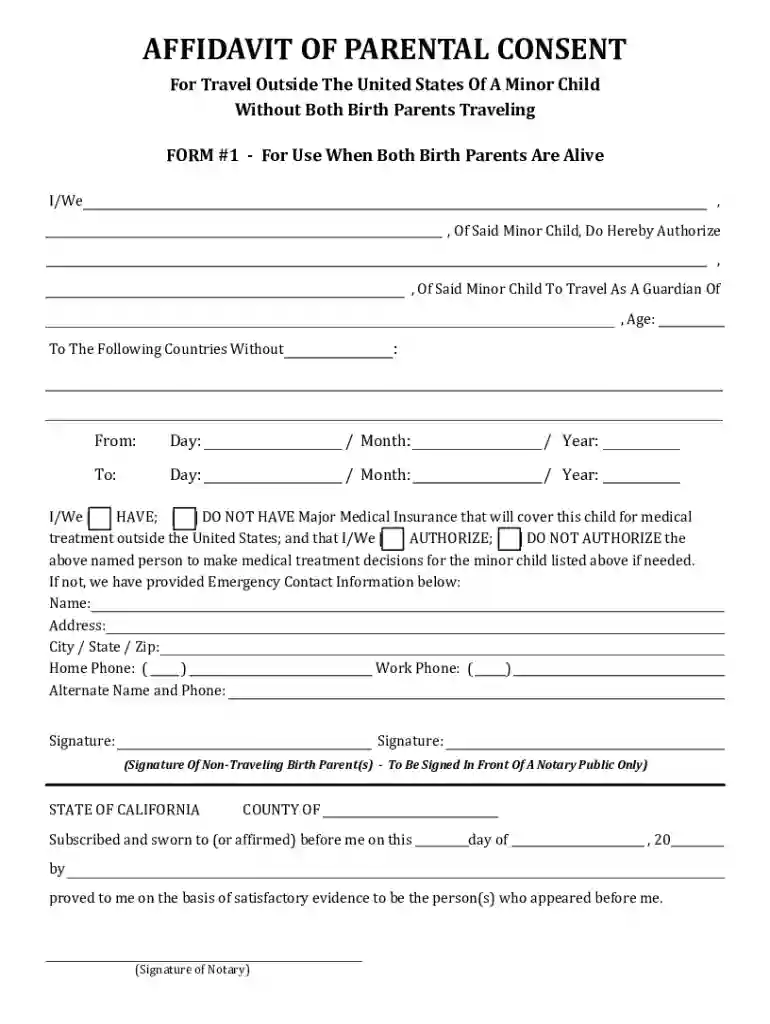
Type text, add images, blackout confidential details, add comments, highlights and more.

Draw your signature, type it, upload its image, or use your mobile device as a signature pad.

Send notarized parental consent form via email, link, or fax. You can also download it, export it or print it out.
A notarized consent form is a legal document that grants permission or authorization for a specific action, such as allowing a minor to travel without both parents. The form ensures the consent is valid and recognized by legal authorities, as it has been verified by a notary public. This verification process is crucial because it confirms the identities involved and assures that the signatures are genuine and given voluntarily. Notarized consent forms are often used in situations involving travel, medical decisions, or activities requiring parental or guardian approval.
Using a notarized consent form involves several steps to ensure its legal efficacy. First, all parties involved must complete the form with accurate and honest information. Once completed, the document must be signed in the presence of a notary public. The notary will verify the identities of the signatories, witness the signing of the document, and apply an official seal or stamp, certifying it as a notarized document. This process provides added security and legal recognition, ensuring that the consent is legitimate and enforceable when needed.
To obtain a notarized consent form, you can access templates online, through legal service providers, or at local government offices. It is important to select a template that meets your specific needs, as some forms may vary based on the intended use. Once the appropriate form is acquired, arrange an appointment with a notary public. Notaries are often found in banks, legal offices, or specialized notary services. Ensure you have proper identification and any other required documentation before the appointment to avoid delays in the notarization process.
A notarized consent form is commonly used by parents or legal guardians for granting permissions related to minors. For example, when a child is traveling internationally with one parent or a third party, a notarized consent form is often required to prevent abduction or custody issues. These forms are also used in healthcare scenarios where a guardian might permit medical treatment for a minor. Educational institutions may also require such forms for participation in certain activities or field trips.
In the U.S., notarized consent forms are used to meet the legal requirements of various states and federal regulations. For travel, especially internationally, they serve as a safeguard against parental child abduction by proving that a minor has official permission to leave the country. Health care providers rely on these forms to authorize treatment, ensuring compliance with legal standards for minor patient care. Legally, the notarization acts as a fraud deterrent, providing an assurance that the document, consent, and signatures are authentic.
While notarized consent forms follow a standard format, certain states have specific rules and requirements. For instance, some states might demand additional documentation to accompany the form, or impose stricter identification requirements. In places like California, notaries must keep a journal of every notarization. It's vital to check local laws or consult a legal expert to ensure compliance with regional legalities when preparing these forms, especially regarding minors' travel or healthcare consents.
A common scenario is a single parent permitting their child to travel abroad with a relative. In this instance, a notarized consent form will be required to satisfy airline and border control requirements. Another example involves a camp requiring medical treatment consent for participating children. The camp uses a notarized consent form to authorize medical interventions if necessary while the child is under their supervision. These forms protect the interests of all parties by maintaining legal compliance and providing reassurance that consent is informed and intentional.
We've got more versions of the notarized consent form form. Select the right notarized consent form version from the list and start editing it straight away!
| Versions | Form popularity | Fillable & printable |
|---|---|---|
| 2014 | 4 Satisfied (23 Votes) |
At DocHub, your data security is our priority. We follow HIPAA, SOC2, GDPR, and other standards, so you can work on your documents with confidence.
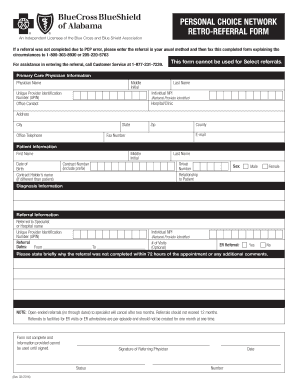


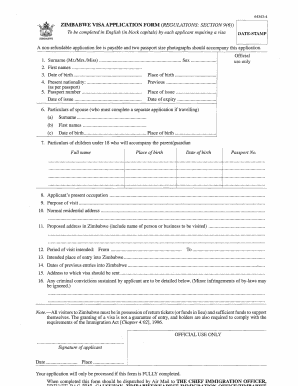
Keep two DocHubd Certificate of Consent forms for minor to carry while traveling. We/I, the undersigned, hereby declare that We/I consent for our child to
This form is used with a U.S. passport application (Form DS-11) when one or both legal parents and/or legal guardians cannot appear in person with their minor
Since the December 2016 reforms, these declarations are self-declarations on plain paper, no notary or stamp paper needed.


