






Understanding Abuse in the Context of a Restraining Order
When it comes to obtaining a restraining order, understanding what constitutes abuse is critical. Abuse can take multiple forms beyond physical harm. Emotional, psychological, and financial abuse also qualify as grounds for a restraining order. Emotional abuse may involve manipulation, threats, or gaslighting, while psychological abuse includes tactics intended to instill fear or control. Financial abuse is when an individual's economic resources are controlled or restricted without consent, impacting their financial independence.
Types of Abuse Recognized by Law
Different forms of abuse warrant legal protection. Recognized categories generally include:
- Physical Abuse: Assault, battery, or any intentional act causing bodily harm.
- Emotional/Psychological Abuse: Actions designed to control, manipulate, or instill fear.
- Sexual Abuse: Non-consensual sexual acts or coercion.
- Financial Abuse: Restricting access to finances or exploiting someone's economic resources.
Each category may be detailed further in state-specific laws, influencing what evidence must be presented in court.
Legal Steps to Obtain a Restraining Order
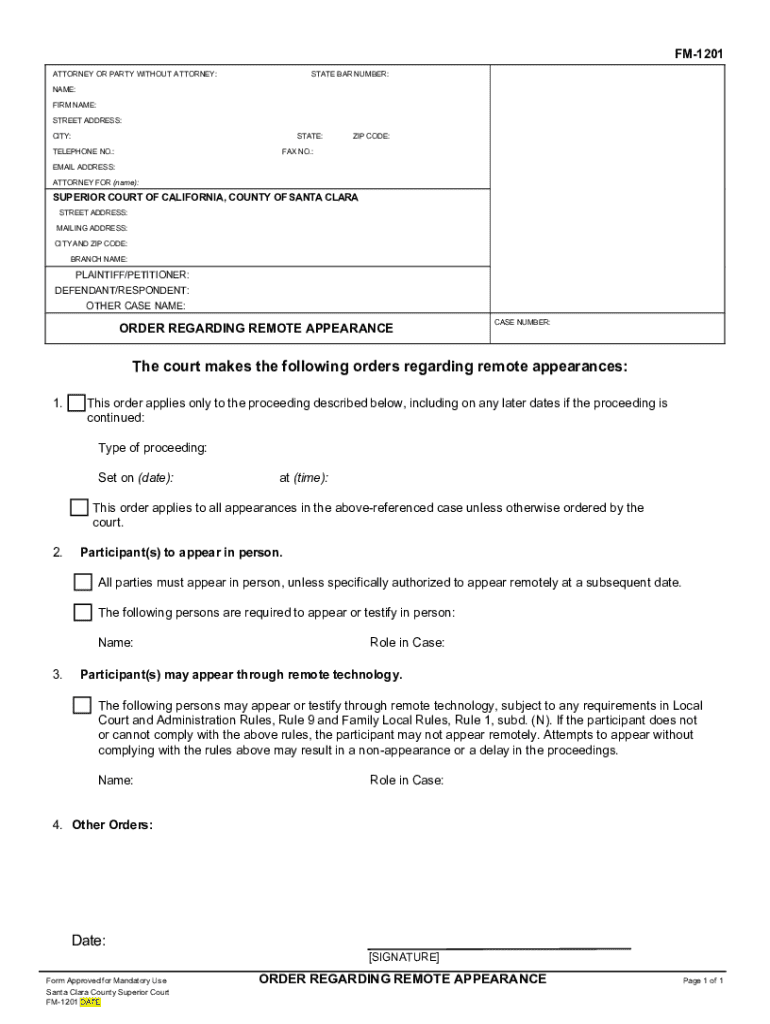
Gaining a restraining order involves multiple legal steps. The process generally begins by filing a petition at a local courthouse. Applicants must complete necessary forms, detailing the type and instances of abuse. Petitioners should include:
- Personal Information: Details about themselves and the alleged abuser.
- Incidents of Abuse: Specific examples that justify the request for protection, backed by evidence such as photographs, messages, or witness testimonies.
- Desired Protection: Indicate what restrictions or protections are required, such as no-contact orders or stay-away provisions.
Supporting Documents and Evidence
Evidence is a critical component when applying for a restraining order. Documentation that supports claims of abuse enhances the likelihood of obtaining a legal order. This can include:
- Medical Records: Documenting injuries or psychological effects of abuse.
- Digital Evidence: Texts, emails, or social media messages that reveal abusive behavior.
- Witness Statements: Accounts from individuals who have observed the abuse.
Providing comprehensive evidence not only strengthens the case but also speeds up the legal process.
Key Elements to Include in a Restraining Order Application
When preparing an application, several elements must be carefully considered to ensure effectiveness and accuracy. These include:
- Description of Relationship: Outline the relationship to the alleged abuser, such as family connection or cohabitation status.
- Timeline of Events: Clearly state when the abusive incidents occurred.
- Current Risk Assessment: Explain any immediate danger or ongoing threats.
Each component must accurately reflect the situation, underscoring the necessity for legal intervention.
State-Specific Guidelines and Rules
State laws significantly influence the process and criteria for obtaining a restraining order. Variations exist regarding application procedures and legal definitions of abuse. For example:
- Evidence Requirements: Some states have specific criteria for what constitutes adequate evidence.
- Duration of Orders: Temporary restraining orders might last for a few weeks, while permanent orders can extend for years.
- Court Hearings: The need for court appearances might differ, with some states holding automatic hearings after initial filings.
Understanding the specific legal framework in the applicant's state is crucial for aligning efforts with legal standards.
Form Submission Methods for Restraining Orders
Submission methods for restraining orders vary, with applicants often having multiple options, including:
- In Person: Direct submission at a courthouse, often allowing for immediate assistance and verification.
- Online: Many jurisdictions offer digital submissions, streamlining the process for immediate intervention.
- Via Mail: Submitting paper forms through postal services remains an option, though this may extend the timeline.
Choosing the right method depends on personal circumstances, such as proximity to a courthouse or access to digital resources.
Who Typically Files for a Restraining Order?
Restraining orders are filed by individuals experiencing various forms of abuse, commonly including:
- Domestic Partners: Spouses, ex-spouses, or individuals in intimate relationships.
- Family Members: Those living with or related to the abuser.
- Stalking or Harassment Victims: Individuals subjected to persistent and unwelcome attention.
The type of relationship often influences the legal classification of the order, distinguishing between domestic violence restraining orders and civil harassment orders.
Examples of Situations Leading to a Restraining Order
Real-life scenarios highlight why individuals pursue restraining orders. Common examples include:
- An individual being threatened by a former partner post-relationship breakup.
- A family member attempting to control the finances of an elderly relative.
- Continuous, unwarranted messages and calls from a rejected suitor.
These examples showcase various forms of abuse, underscoring the necessity for legal protection measures.
Edge Cases and Exceptions
Certain cases might not align neatly with traditional categories of abuse but still warrant attention. Consider:
- Disputed Custody Scenarios: Where one parent manipulates circumstances to alienate the other.
- Non-Physical Threats: Such as threats to release sensitive personal information.
Understanding these nuanced situations aids in recognizing the full scope of scenarios where legal protection is justified.
By comprehensively exploring these blocks, individuals can better navigate the complexities of filing for a restraining order, ensuring they are equipped with the knowledge to seek necessary legal protections.