
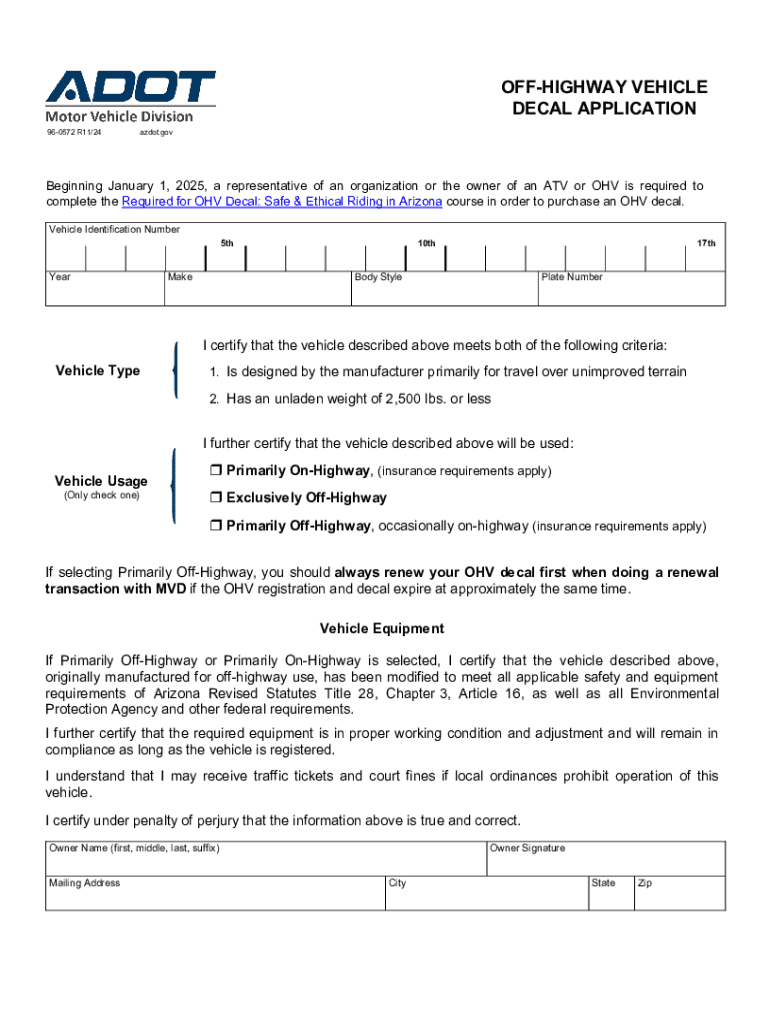







Definition & Meaning of Form Online
Forms online refer to digital versions of documents that can be completed and submitted via the internet. These forms are designed to streamline processes by eliminating the need for physical paperwork, allowing users to efficiently input data from any location with internet access. Online forms support a wide range of applications, from tax submissions to business registrations and personal information updates.
Features of Online Forms
- Accessibility: Users can fill out forms at their convenience from any device.
- Efficiency: Eliminates the need to print, mail, or physically deliver documents.
- Cost-effective: Reduces expenses associated with paper, postage, and storage.
Use Cases
- Government Forms: Filing taxes, voter registration.
- Business Applications: Customer feedback surveys, contact forms.
- Legal Documents: Contract agreements, waiver signatures.
How to Use the Form Online
Using forms online involves a few straightforward steps, which ensure a smooth and user-friendly experience.
Step-by-Step Guide
- Access the Form: Visit the official website or platform providing the form.
- Enter Information: Fill in required fields with accurate information. Use auto-fill features if available to save time.
- Review: Check all inputs for errors or omissions.
- Submit: Click the “submit” button. Look for confirmation that your submission was successful.
Pro Tips
- Saving Progress: Some platforms allow saving a draft. Use this feature for lengthy forms.
- Help Options: Utilize available help or FAQ sections for clarification.
Steps to Complete the Form Online
Completing an online form involves a sequence of organized tasks to ensure that all necessary sections are appropriately filled.
Detailed Completion Process
- Pre-Fill Documents: Upload any reference documents if the form allows auto-populating fields.
- Field Verification: Double-check dropdown options and required text areas for accurate data.
- Attachments: If additional documents are needed, ensure they are uploaded in the correct format.
- Consent Acknowledgment: Read and agree to terms of service if required.
Tips for Accuracy
- Cross-Checking: Verify inputs with original documents for error prevention.
- Regular Saves: Periodically save inputs to avoid data loss due to timeouts or errors.
Why Should You Form Online
Online forms offer numerous advantages over traditional paper methods, primarily in terms of convenience and efficiency.
Benefits
- Time-Saving: Reduce the turnaround time from form submission to processing.
- Environmental Impact: Decrease paper use, promoting sustainability.
- Security Features: Enhanced data protection through encryption.
Examples of Benefits
- Faster Approvals: Expedite processes such as loan applications.
- Simplified Record Keeping: Digital storage and retrieval of form data.
Legal Use of the Form Online
Using forms online is generally legally binding and accepted across many jurisdictions, provided specific conditions are met.
Legal Considerations
- Electronic Signatures: Must comply with laws such as the ESIGN Act for validity.
- User Consent: Explicit consent is typically required prior to submission.
Compliance Practices
- Audit Trails: Many platforms provide an audit trail to track actions on the form.
- Credential Verification: ID verification processes may be in place for sensitive operations.
Important Terms Related to Form Online
Understanding key terminology associated with online forms enhances user experience and comprehension.
Key Terms
- Captcha: A security feature to verify that a form is completed by a human.
- Two-factor Authentication: An added security measure involving a secondary verification step.
- Form Fields: Sections within a form for inputting specific types of data.
Common Components and Their Functions
- Radio Buttons: Use for selecting one option from a predefined set.
- Validation Messages: Provide feedback regarding data input errors.
Examples of Using the Form Online
Different scenarios illustrate the practical application and benefits of using forms online.
Scenario Examples
- Tax Filings: Completing IRS forms such as the 1040 tax return online for quicker refunds.
- Event Registrations: Using digital forms to efficiently manage participant data and reservations.
Case Studies
- Business Compliance: Companies using online forms for regulatory submissions save significant operational time.
- Educational Institutions: Streamlined processes for student enrollments and course selections.
Who Typically Uses the Form Online
Various sectors and users benefit from the efficiency and convenience of online forms.


User Demographics
- Individuals: Daily use for personal applications and information updates.
- Businesses: Frequent use for client onboarding, surveys, and compliance.
Segmentation by Industry
- Healthcare: Patient intake forms.
- Finance: Credit and loan applications.
This in-depth exploration of forms online, including practical examples and user considerations, offers comprehensive guidance for effectively navigating and utilizing digital forms.




