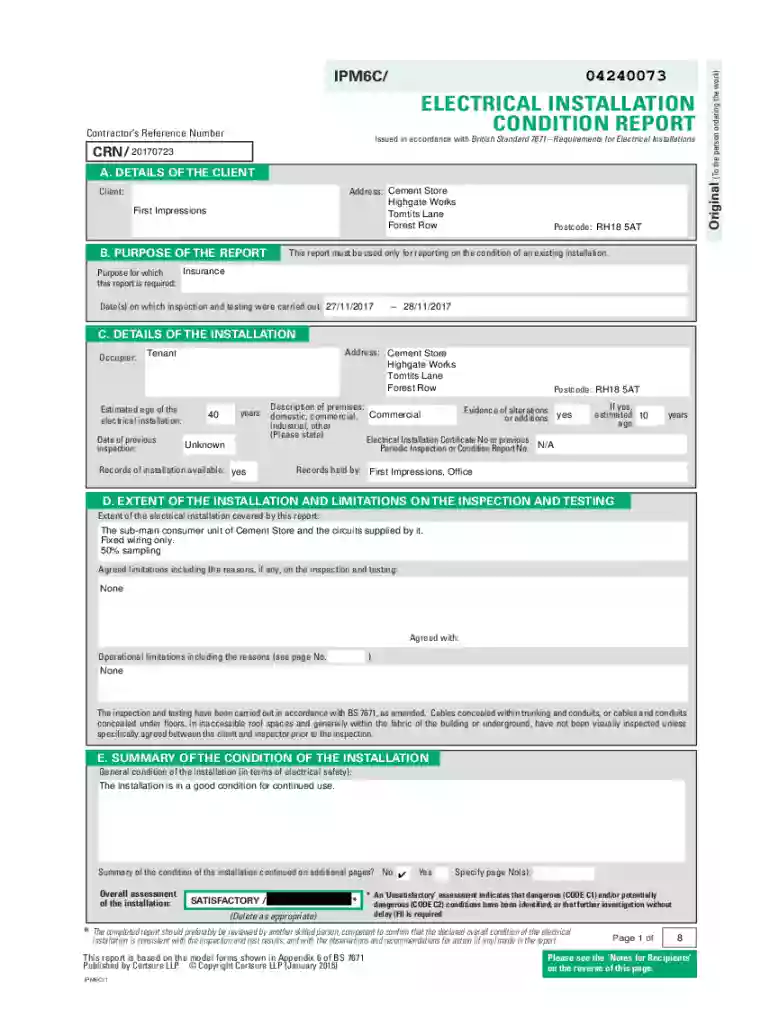
Definition and Meaning of British Standard 7671
British Standard 7671, also known as the Requirements for Electrical Installations, provides comprehensive guidelines for electrical installation in the UK. This standard, often referred to as the Wiring Regulations, ensures that electrical systems are safe, reliable, and efficient. It covers aspects such as design, selection, installation, and maintenance of electrical systems. Compliance with this standard is vital for ensuring the safety and performance of electrical installations.
Purpose and Scope
- Safety Assurance: Ensures installations are free from hazards, protecting both property and occupants.
- Consistency: Provides a uniform standard for electricians, promoting high-quality work.
- Regulatory Compliance: Meets legal requirements for electrical installations in residential, commercial, and industrial settings.
How to Use This Standard
Understanding how to apply the British Standard 7671 in practice is crucial for anyone involved in electrical installations. It guides professionals through designing, installing, and testing electrical systems to comply with the standard.
Practical Application
- Design Phase: Incorporate safety measures and material specifications outlined in the standard.
- Installation: Follow procedures for installing wiring, circuits, and safety devices as mandated.
- Testing and Inspection: Conduct thorough checks to certify compliance and operational integrity.
How to Obtain a Compliance Certificate
Securing a compliance certificate that confirms adherence to British Standard 7671 involves several steps. This certificate is essential for both regulatory approval and assurance of safety.
Steps to Acquire
- Initial Inspection: Conduct a preliminary check of the installation.
- Detailed Testing: Perform comprehensive tests of all elements.
- Documentation: Complete forms documenting outcomes and compliance.
- Professional Evaluation: Engage a certified professional to review the documentation and installation.
Steps to Complete Documentation
To finalize documentation in accordance with British Standard 7671, a systematic approach is required. This documentation is critical for legal and practical purposes.
Completion Process
- Collect Information: Gather data about the installation scope, materials, and specifications.
- Complete Testing Records: Document all testing results and inspections performed.
- Review Against Standards: Ensure all entries meet the critera outlined under the British Standard.
- Submit for Certification: Present the documentation to a qualified body for final validation.
Why Issue in Accordance with British Standard 7671
Issuing documentation in compliance with this standard is essential for various reasons, primarily safety and legal adherence.
Core Benefits
- Risk Mitigation: Reduces the risk of electrical failures and accidents.
- Enhanced Safety: Promotes the installation of safe and secure electrical systems.
- Legal Protection: Shields from potential liabilities arising from non-compliance.
Typical Users
- Electrical Contractors: For designing and installing compliant systems.
- Building Inspectors: To verify code adherence.
- Facility Managers: To maintain safe operational environments.
Important Terms and Concepts
Familiarity with key terminology related to the British Standard 7671 is crucial for proper application and understanding.
Key Terms
- Circuit Protective Conductor (CPC): Ensures grounding in electrical systems.
- Residual Current Device (RCD): A safety device preventing electric shock.
- Earthing: Process of transferring electricity to the earth via a low resistance path.
Legal Implications and Use
Understanding the legal context of utilizing the British Standard 7671 is vital for compliance and safety in electrical work.
Legal Framework
- Compliance Mandates: Legally binding for most electrical installations.
- Inspection Requirements: Regular inspections mandated to ensure ongoing compliance.
- Penalties for Non-Compliance: Legal action and fines for failing to adhere.
Key Elements of the Form
The form issued in accordance with British Standard 7671 includes specific elements designed to capture all necessary details of an electrical installation.
Essential Components
- Scope of Work: Describes the extent and nature of the installed system.
- Testing Outcomes: All prescribed tests and their results.
- Compliance Confirmation: Signature and certification by a qualified professional.
Examples of Usage in Practice
Practical examples illustrate how adherence to British Standard 7671 enhances safety and efficacy in electrical installations.
Real-World Scenarios
- Residential Wiring: Implementing standard guidelines for new home wiring ensures safety and reliability.
- Commercial Spaces: Upgrades to office buildings using these standards improve efficiency and compliance.
- Industrial Complexes: Tailoring extensive electrical systems to these regulations to avoid shutdowns and hazards.