







Definition and Meaning
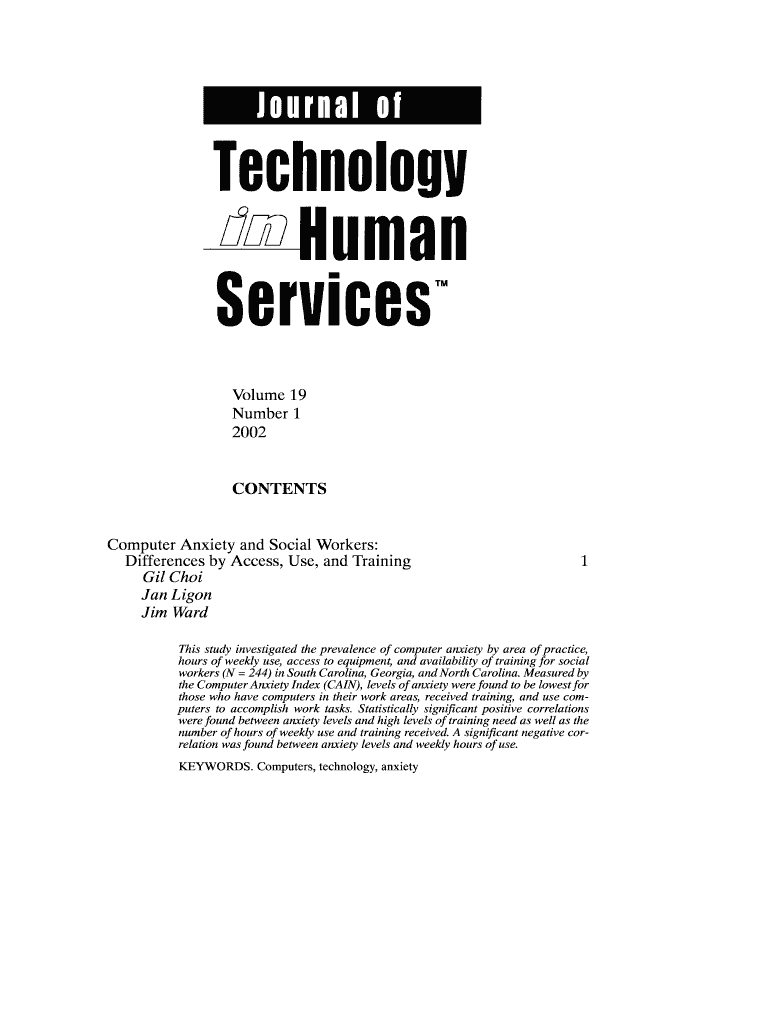
The term "Computer Anxiety" refers to the fear or apprehension experienced by individuals when using computers or technology-related tools. Among social workers, this anxiety can impact their efficiency and effectiveness in performing their duties, especially as technology increasingly integrates into human services. The "wweb uta" appears to be a shorthand or specific reference possibly related to a study or resource from the University of Texas at Arlington that focuses on these topics.
Importance for Social Workers
Social workers face unique challenges in integrating technology into their practice. Computer anxiety can hinder their ability to leverage digital tools for client management, data collection, and communication. Understanding and addressing this anxiety is crucial to enhancing their ability to manage caseloads effectively and improve service delivery. The emphasis on reducing computer anxiety is also about ensuring social workers can adapt to technological advancements that facilitate better client outcomes.
Key Elements of the Study
This topic encapsulates several critical elements:
-
Recognition of Anxiety Symptoms: Identifying symptoms like avoidance of tasks requiring computer use, increased stress levels when operating computers, and reduced confidence in handling digital tools.
-
Impact on Service Delivery: Evaluating how computer-related anxiety affects interactions with clients and other professionals, making it necessary for training programs to include technology adoption strategies.
-
Integration in Curriculum: Highlighting the importance of incorporating computer literacy into social work education to equip future professionals with necessary skills.
Steps to Address Computer Anxiety
Several steps can help mitigate computer anxiety among social workers:
-
Training Programs: Implement comprehensive workshops focused on improving digital literacy and confidence in using technology in practice.
-
Gradual Exposure: Encourage gradual exposure to technology, starting with simple tasks and progressively moving to more complex operations.
-
Peer Support Groups: Establish support groups where social workers can share experiences and solutions to overcome technology-related challenges.
-
Feedback Mechanisms: Create an environment where social workers can provide feedback on their technology usage difficulties and receive constructive support.
Examples of Technology in Social Work
There are numerous examples of technology use in social work to consider:
-
Case Management Software: Tools like ClientTouch offer streamlined case tracking capabilities, improving the efficiency of managing client information and appointments.
-
Online Training Platforms: Electronic conferencing and online learning modules provide opportunities for continuous education, essential for professional development in rapidly evolving fields.
-
Communication Platforms: Digital communication tools enable better connectivity with clients, allowing for video consultations and remote case assessments.
Legal and Ethical Considerations
As social workers incorporate more technology into their practices, they must also adhere to legal and ethical standards:
-
Data Privacy: Ensure client information is secure, comply with regulations like HIPAA, and uphold confidentiality agreements.
-
Informed Consent: Obtain consent for digital communication and document sharing, explaining the benefits and risks associated with technology use.
Understanding 'wweb uta'
"Wweb uta" likely refers to a specific online platform, study, or resource associated with a university or research entity, possibly the University of Texas at Arlington. This resource is designed to support social workers by providing tools and strategies to reduce computer anxiety.
Software Compatibility and Integration
When addressing computer anxiety, it's crucial to select user-friendly software that integrates well with existing systems:
-
Intuitive Design: Choose platforms that offer an intuitive user interface to minimize the learning curve.
-
Compatibility with Popular Tools: Ensure that software can be easily integrated with widely-used tools like Google Workspace and Microsoft Office.
Training and Support Resources
Educational support and resources are fundamental:
-
Workshops and Webinars: Regular training sessions to enhance ICT (Information and Communication Technology) skills.
-
Access to Manuals and Guides: Providing detailed documentation that offers step-by-step instructions for using various digital tools.
-
Mentor Programs: Pair less tech-savvy social workers with tech-literate mentors to enhance learning experiences through personal guidance.




