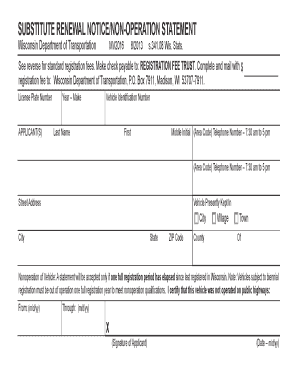
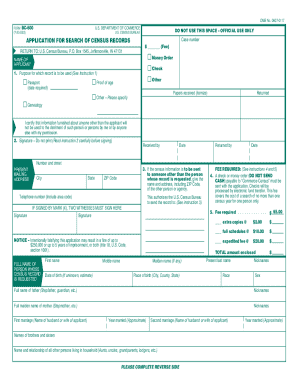
Definition and Meaning of Case File Template
A case file template is a structured document framework used to organize and present information related to specific cases. This template provides a consistent format for documenting essential details, facilitating efficient case management and communication among involved parties. The versatility of case file templates allows them to be adapted for various contexts, such as legal, medical, or business scenarios. A well-designed case file template ensures that all relevant information is captured comprehensively, aiding in the swift processing and resolution of cases.
Components of a Case File Template
- Case Identification: Includes a unique case number or ID, date of case initiation, and subject matter.
- Parties Involved: Lists all individuals, organizations, or entities associated with the case, along with their contact information.
- Case Summary: Provides an overview of the case, including the nature of the issue and the desired outcomes.
- Chronology of Events: A detailed timeline of significant events, actions taken, and decisions made throughout the case.
- Supporting Documents: References attachments or related documents that are pertinent to the case, such as contracts, reports, or correspondence.
- Case Status: Indicates the current status of the case, such as pending, resolved, or closed, along with notes on any outstanding tasks or next steps.
How to Use the Case File Template
Using a case file template effectively involves several steps to ensure that all relevant information is accurately recorded and easily accessible.
Step-by-Step Instructions
-
Download the Template: Start by downloading a suitable case file template that aligns with your specific needs. Various platforms offer customizable templates in different formats like DOC or PDF.
-
Incorporate Basic Information: Fill in initial details such as the case ID, date, and relevant party names. This foundational data provides a reference point for anyone reviewing the case file.
-
Detail the Case Summary: Provide a clear and concise summary of the case, outlining the main issues, objectives, and any preliminary findings. This section should set the context for the entire document.
-
Record Chronology: Maintain an accurate log of events and actions. Each entry should include the date, description of the event, and any decisions or outcomes.
-
Attach Supporting Documents: Ensure that any documents that support the case are appended or referenced correctly within the template. These might include contracts, emails, or witness statements.
-
Update Case Status Regularly: Keep the status section current to reflect any changes in the case progress, decisions made, or new directions.
Tips for Effective Use
- Consistency: Use standardized language and formats to maintain uniformity across all case files.
- Regular Updates: Continually update the case file to ensure it reflects the most current information, which aids in decision-making and closes potential gaps.
- Security Considerations: Protect sensitive information by implementing access controls and encryption as necessary.
Key Elements of the Case File Template
Understanding the key elements of a case file template is crucial for the effective management of cases. Each section plays a specific role in compiling a comprehensive case record.
Essential Sections
- Case Identification Details: This section comprises unique identifiers and basic descriptive details, aiding in quick retrieval and recognition of a case.
- Contact Information for Parties Involved: Ensures that all relevant parties can be contacted efficiently, contributing to smooth communication and follow-ups.
- Chronology of Events and Actions: Provides a detailed narrative of the case, helping stakeholders understand the progression and current state.
- Supporting Documents and Evidence: Lists or attaches important documents that substantiate and provide clarity on case matters.
- Final Case Outcomes or Resolutions: Documents the conclusions or agreements reached, including any future actions required.
Additional Considerations
- Confidentiality Protocols: Ensure that any sensitive information is managed according to confidentiality guidelines or legal requirements.
- Modification and Customization: Allow flexibility in the template to adapt to specific case needs without compromising on structure.
Legal Use of the Case File Template
Case file templates often serve critical legal functions, necessitating careful consideration of their use within a legal framework.
Legal Compliance
- Documenting Evidence: A case file template ensures that all evidence is systematically documented and readily available for legal proceedings.
- Consistent Record-Keeping: Facilitates consistent and comprehensive records needed for audits, reviews, or in court settings.
- Confidentiality and Privacy: Compliance with regulations regarding privacy and data protection is crucial when handling sensitive information in case files.
Use Cases in Legal Settings
- Litigation Support: Lawyers and legal professionals use case file templates to manage client cases, track legal arguments, and ensure no detail is overlooked.
- Regulatory Compliance: Many industries have regulatory requirements regarding the maintenance and presentation of case files, making it essential for businesses to adhere to these standards.
Who Typically Uses the Case File Template
Case file templates are utilized by a diverse range of professionals and organizations, each adapting the tool to their unique requirements.


Common Users
- Legal Professionals: Lawyers and paralegals use these templates to manage case details, track legal processes, and present arguments in a structured manner.
- Healthcare Administrators: In medical contexts, case file templates help in maintaining patient records, treatment histories, and care plans.
- Business Managers: Organizations utilize these templates for managing project cases, client interactions, and internal investigations.

Sector-Specific Adaptations
- Government Agencies: Employ case file templates for a variety of functions, from regulatory enforcement to public service casework.
- Non-Governmental Organizations (NGOs): Manage case files related to advocacy efforts, client stories, and funding reports.
Examples of Using the Case File Template
Case file templates have diverse applications, demonstrated through multiple scenarios across different sectors.
Real-World Scenarios
- Legal Case Management: A law firm utilizes the template to systematically record a client's legal proceedings, including evidence, testimonies, and trial dates.
- Patient Care Coordination: A medical clinic implements a case file template to manage detailed records of patient visits, treatment plans, and referral notes.
- Project Oversight: An IT company employs a case file template as part of its project management workflow, documenting client requirements, milestone tracking, and issue resolution.
Edge Cases and Variations
- Variations for Education: Schools might adapt the case file template to track student disciplinary actions, academic performance, and support plans.
- Hybrid Uses: Businesses use modified templates to blend traditional case management with modern project oversight, incorporating AI-driven data insights.
Software Compatibility with Case File Templates
To maximize the utility of a case file template, it is crucial to ensure it is compatible with various software solutions.
Compatible Platforms
- Document Management Systems: Most case file templates can integrate with platforms like DocHub, ensuring seamless document editing and collaboration.
- Cloud Storage Solutions: Compatibility with Google Drive, Dropbox, and OneDrive allows for easy access and sharing of case files.
- Office Suite Applications: Case file templates formatted for Microsoft Word or Google Docs ensure flexibility in editing and reviewing.
Integration Benefits
- Real-Time Collaboration: Use platforms that support real-time editing to facilitate group work and instantaneous updates.
- Version Control: Access to historic versions of the case file ensures that previous records remain intact, improving accountability and traceability.
- Scalability: Ensures the case file templates grow with organizational needs, accommodating increases in case volume or complexity without manual rework.
Business Types that Benefit Most from Case File Templates
Certain business types find case file templates invaluable, streamlining operations and enhancing information organization.
High-Benefit Industries
- Legal Services: From sole practitioners to large law firms, the structured format of a case file template is indispensable for handling diverse legal matters.
- Healthcare Services: Clinics and hospitals benefit from orderly patient management, improving care quality and operational efficiency.
- Insurance Companies: Used to document claims, manage policyholder files, and streamline the claims processing workflow.
Tailored Solutions for Industries
- Customized Features: Businesses can tailor templates for specific needs, adding industry-relevant fields or sections to suit particular operational requirements.
- Workflow Automation: Automation of case file processes can increase productivity by reducing manual data entry and facilitating faster information retrieval.