






Definition and Importance of the Tough Mudder Waiver
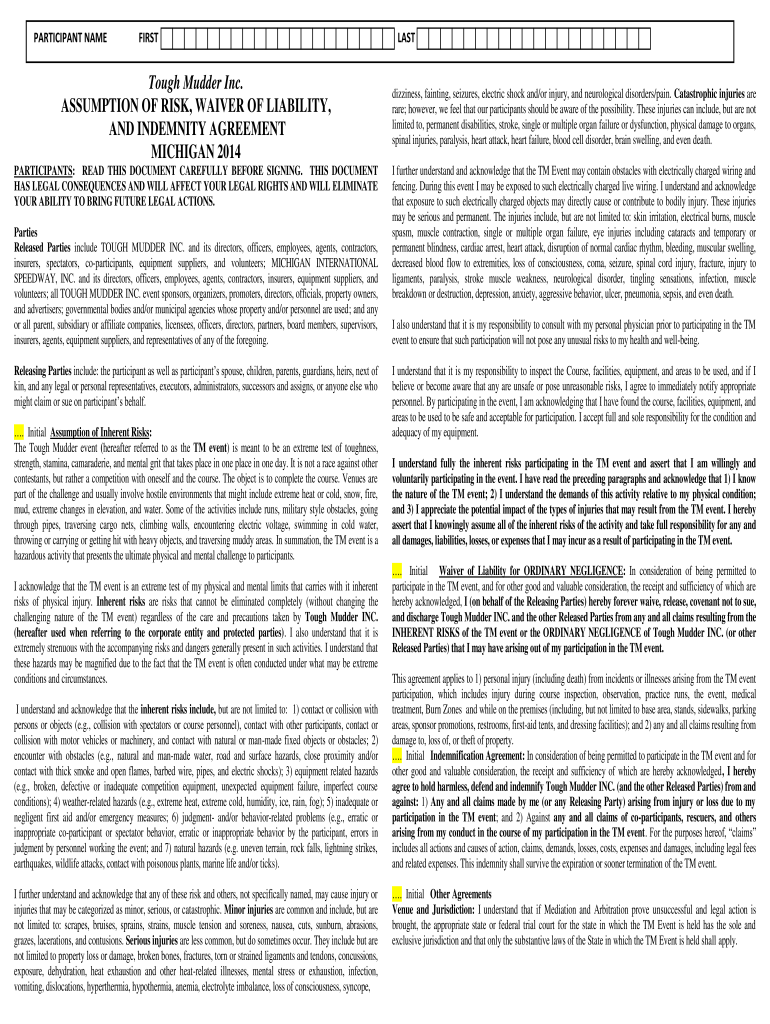
The Tough Mudder Waiver, formally known as the Assumption of Risk, Waiver of Liability, and Indemnity Agreement, is a crucial document for participants in Tough Mudder events. These events are extreme obstacle courses that challenge participants' physical and mental abilities. The waiver outlines the inherent risks associated with participation, such as potential injuries and hazards, and clarifies legal parameters, including the waiver of rights to sue for ordinary negligence. Participants must acknowledge and accept these risks to join the event, ensuring they understand the nature of their involvement and the legal implications. The waiver is essential for protecting organizers, participants, and other stakeholders involved in the event.
Obtaining and Accessing the Tough Mudder Waiver
Participants must obtain the Tough Mudder Waiver before participating in an event. It is typically available through the official Tough Mudder website, where participants can download, review, and sign it electronically. The waiver is often part of the registration process, ensuring that all participants acknowledge the terms and conditions before paying the entry fee. For those requiring assistance or more information, customer service representatives are available via email or phone, providing clarity on any uncertainties or special circumstances related to the waiver.
Steps to Complete the Tough Mudder Waiver
-
Access the Waiver: Begin by visiting the event registration page on the Tough Mudder website. Follow prompts to reach the waiver document.
-
Review the Terms: Carefully read through the waiver. Pay particular attention to sections on risks, health responsibilities, and indemnification.
-
Provide Personal Information: Enter essential details, such as your name, contact information, and emergency contacts, as requested in the document.
-
Acknowledge Risks: Sign the section acknowledging the assumption of risks and confirming your understanding of the waiver's legal implications.
-
Submit the Waiver: Follow the instructions provided to submit the signed document, which may involve uploading it online or confirming acceptance through a digital check-box.
-
Receive Confirmation: After submission, you should receive a confirmation email, ensuring that you are fully registered and your waiver is accepted.
Legal Use and Implications of the Tough Mudder Waiver
The Tough Mudder Waiver serves as a legal shield for event organizers by mitigating potential lawsuits resulting from ordinary negligence. It binds participants to an understanding that they engage in activities with known risks, potentially leading to injuries or other medical issues. For legal enforceability, the waiver must comply with state laws, reflecting specific legal language requirements. Understanding these legal frameworks ensures participants cannot claim ignorance of the assumed risks inherent in participation, upholding the waiver’s protection for Tough Mudder Inc. and associated parties.
Key Elements Found in the Tough Mudder Waiver
-
Assumption of Risk: Participants recognize all event risks and voluntarily choose to expose themselves to these possible dangers.
-
Waiver of Liability: By signing, individuals relinquish their right to pursue legal action against the organization for any injuries sustained during the event.
-
Indemnity Agreement: Participants agree to reimburse Tough Mudder Inc. for any claims or liabilities arising as a result of their participation.
-
Health and Safety Acknowledgments: Confirming one's health is sufficient to safely partake in the strenuous event.
-
Emergency Medical Consent: Authorization for event officials to make urgent medical decisions if necessary.
-
Media and Photography Rights: Consent for the use of images or video captured during the event for promotional purposes.
State-Specific Rules and Considerations
Tough Mudder events across different states adhere to state-specific legislation concerning liability waivers. Variances in state laws can affect how waivers are interpreted and enforced. For instance, some jurisdictions have specific requirements on language clarity or the representation of risk levels in such waivers. Therefore, participants should consider reviewing how their state's laws might influence the waiver's application, possibly consulting legal counsel if further clarification on these regional distinctions is required.
Real-World Examples of Using the Tough Mudder Waiver
Many past participants have encountered situations underscoring the waiver's importance. For example, in a 2017 event, a participant faced injuries requiring medical intervention. Thanks to the waiver, the participant understood these risks and did not pursue litigation. In another case, a participant opted to withdraw after reviewing the waiver, recollecting previous medical conditions that presented concerns for rigorous activity. These examples underscore the waiver's objective: to ensure informed, voluntary participation while safeguarding organizers against unforeseen legal consequences.
Digital Versus Paper Versions of the Tough Mudder Waiver
The waiver is predominantly accessed and signed electronically, aligning with contemporary digital preferences. However, paper versions are available for participants who require them, especially in environments with limited internet access. The digital format allows fast processing, easy distribution, and efficient storage, reducing the logistical complexities associated with paper documents. While both versions are legally valid, the digital waiver streamlines the procedure, connecting seamlessly with online registration and confirmation systems for an integrated user experience.
Considerations for Different Participant Types
The Tough Mudder Waiver is applicable to various participant profiles, including individual athletes, teams, and corporate groups. Each category may face unique challenges and benefits under the waiver's terms. Individual participants, for instance, focus on personal fitness and health acknowledgments, while corporate teams may have additional considerations regarding liability and responsibility across employees. Understanding these nuances ensures that all participant types are fully prepared and legally compliant when engaging in Tough Mudder events.