




01. Edit your form online
Type text, add images, blackout confidential details, add comments, highlights and more.

Type text, add images, blackout confidential details, add comments, highlights and more.

Draw your signature, type it, upload its image, or use your mobile device as a signature pad.

Send it via email, link, or fax. You can also download it, export it or print it out.
The "Chapter 03 Equal Employment Opportunity - Name: Clas s" form is a document related to employment and hiring practices that emphasize equal opportunity. This form typically outlines essential details and policies to ensure non-discriminatory practices in recruiting and hiring. It is a critical tool for employers who aim to comply with equal employment opportunity laws, ensuring that all candidates are evaluated based on merit, without bias towards race, gender, age, or other protected characteristics.
This form includes several vital components necessary for maintaining fairness in the workplace. It typically requires information about the applicant's personal details, past work history, education, and special skills. The form may also contain sections for disclosing any previous discriminatory practices and affirming a commitment to equal opportunity. This commitment helps organizations uphold a diverse and inclusive work environment.
To use this form effectively, employers should integrate it into their recruitment and hiring processes. The form collects necessary applicant information while ensuring adherence to Equal Employment Opportunity (EEO) guidelines. Employers should review all completed forms thoroughly to ensure candidates are judged based on objective qualifications rather than personal attributes unrelated to job performance.
The purpose of the "Chapter 03 Equal Employment Opportunity - Name: Clas s" form is to ensure compliance with federal and state regulations concerning EEO. By using this form correctly, businesses demonstrate their commitment to non-discriminatory hiring practices. It's essential for legal compliance that all potential employees feel they have equal opportunities, regardless of personal backgrounds.
Human Resources departments and hiring managers primarily utilize this form. It's crucial for organizations of any size that want to foster an environment of fairness and equality. Businesses in sectors with higher scrutiny regarding diversity and inclusion practices, such as government agencies or publicly traded companies, commonly use these documents.


Employers can obtain the "Chapter 03 Equal Employment Opportunity - Name: Clas s" form from official government websites or organizational portals that specialize in employment law compliance tools. Many organizations might also have internal digital systems to manage these forms and ensure they are readily available for hiring managers and HR professionals.
The form will typically include several key sections:
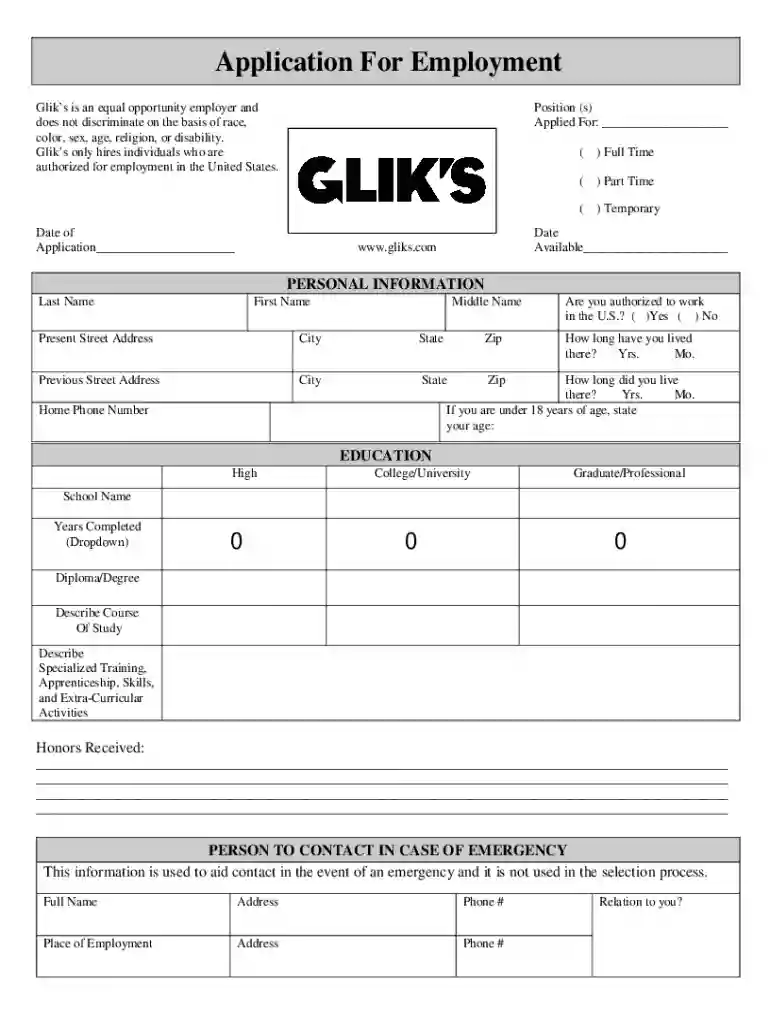
Consider a retail company like Glik's, which uses this form during their application process to ensure compliance with EEO standards. The form aids in collecting comprehensive applicant data, which is essential for selecting candidates based on their qualifications without bias. Scenarios may include checking the form for completeness during a candidate review meeting or training HR staff on its importance in maintaining ethical hiring practices.
We've got more versions of the Chapter 03 Equal Employment Opportunity - Name : Clas s form. Select the right Chapter 03 Equal Employment Opportunity - Name : Clas s version from the list and start editing it straight away!
At DocHub, your data security is our priority. We follow HIPAA, SOC2, GDPR, and other standards, so you can work on your documents with confidence.


Title VII prohibits employment discrimination based on race, color, religion, sex. Section 501 prohibits employment discrimination against applicants or
In the United States of America there is the U.S. Equal Employment Opportunity Commission, whose work centers on the topics of diversity, equity and inclusion.
(a) Definitions. (1) A class is a group of employees, former employees or applicants for employment who, it is alleged, have been or are being adverselyRead more


