Overview of Form Online
In the digital age, managing documents has never been easier, thanks to platforms like DocHub. Understanding how to take advantage of its features is vital for effective document handling. Here we explore the "form online" concept, providing you with extensive insights, practical examples, and guidance on leveraging these tools to optimize your document workflow.
Definition and Meaning of Form Online
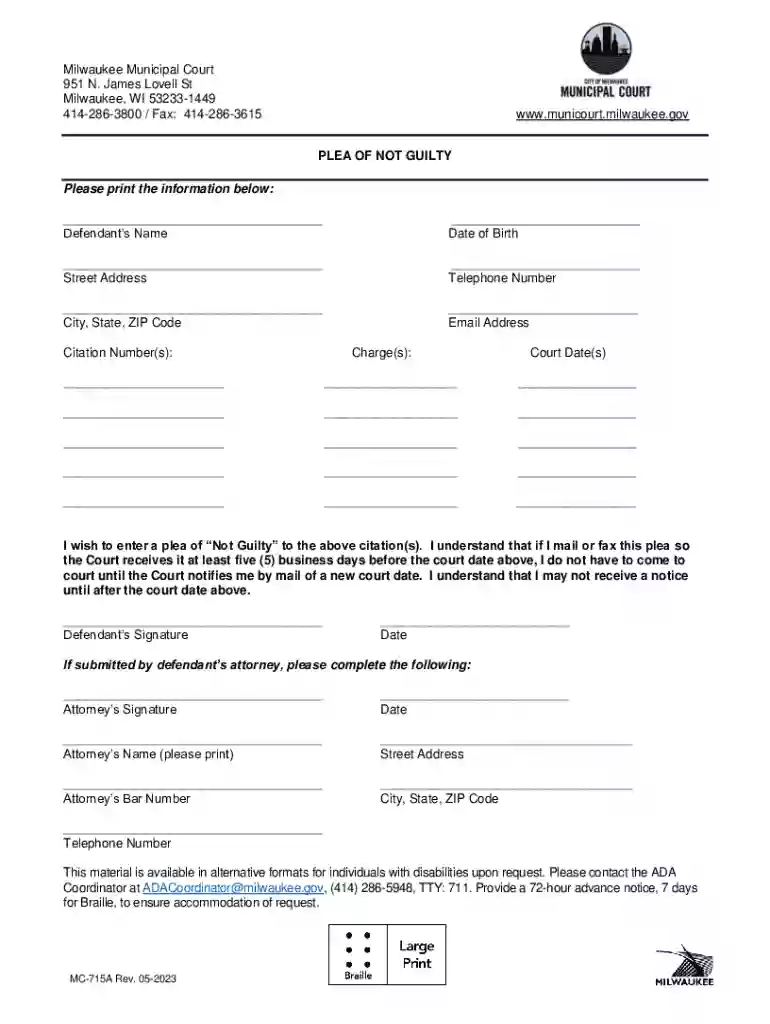
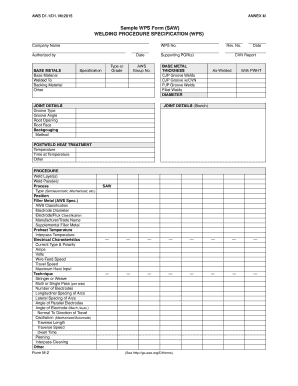
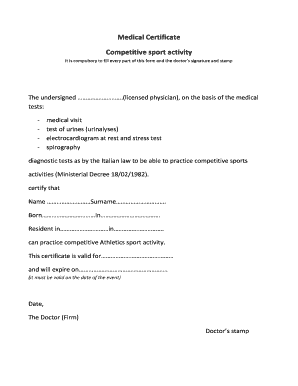
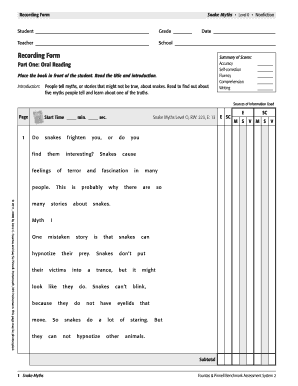
The term "form online" refers to digital forms that can be created, filled, edited, and shared online without the need for physical paper copies. These forms are typically used in various settings, including business transactions, legal processes, and personal documentation tasks. The convenience of online forms lies in their accessibility and adaptability, allowing users to interact with them on any internet-enabled device.
Types of Online Forms
- Registration Forms: Used for events, courses, or memberships.
- Application Forms: For job applications or service requests.
- Feedback Forms: To gather insights from customers or participants.
- Legal Documents: Such as contracts or notary applications.
Benefits of Online Forms
- Immediate accessibility from any device.
- Easy modifications and updates.
- Enhanced ability to collect and manage data.
- Reduced environmental impact by eliminating paper use.
How to Use the Form Online
Using forms online involves several steps, from initial access to submission. Understanding this process enhances efficiency in handling documentation tasks.
Steps for Using Online Forms
- Access the Platform: Start by logging into the document management platform, such as DocHub.
- Select a Document: Choose an existing form or create a new one from scratch.
- Edit and Fill: Use the editing tools to insert text, images, and fillable fields as needed.
- Annotate if Necessary: Add comments or highlights for additional clarity.
- Share and Collaborate: Invite others to view or edit the form.
- Finalize and Submit: Once all necessary information is completed, review and submit the form online.
Example Scenarios
- Business Contracts: Collaborate with team members to complete and sign contracts seamlessly.
- Customer Feedback: Collect detailed feedback using structured online forms integrated within DocHub.
Steps to Complete the Form Online
Completing forms online is straightforward when approached systematically. This section outlines the precise steps needed to ensure all form fields are properly filled and the form is correctly submitted.
Completing an Online Form
- Identify Required Fields: Pay attention to mandatory sections marked within the form.
- Input Accurate Information: Ensure all data entered is correct and up-to-date.
- Utilize Form Fields Manager: Add necessary components such as checkboxes and dropdown menus.
- Use Digital Signature Features: Apply legally binding electronic signatures if required.
- Review for Accuracy: Double-check all entries before submission.
Practical Applications
- Legal Filings: Efficiently handle legal documentation by adhering to documented steps and ensuring compliance with legal requirements.
- Personal Information Updates: Seamlessly update personal records with precise and accurate data entries.
Why Should You Form Online?
Choosing to complete forms online offers numerous advantages that can significantly benefit individuals and businesses alike. Here are compelling reasons to embrace the digital shift.
Advantages of Online Forms
- Efficiency: Streamlined processes minimize time spent on document handling.
- Accessibility: Forms can be accessed and managed from any location, reducing delays.
- Security: Enhanced security measures, such as SSL encryption, protect sensitive data.
- Collaboration: Real-time collaboration features enable multiple users to work simultaneously.
Case Study
In a business environment, switching to online forms can drastically reduce the time spent on administrative tasks, allowing teams to focus on strategic objectives and improving overall productivity.
Who Typically Uses the Form Online?
Understanding the typical users of online forms can provide insights into their widespread application across various sectors.

Common Users
- Businesses: For managing contracts, invoices, and employee documentation.
- Educational Institutions: Streamlining student registration and record-keeping.
- Healthcare Providers: For patient information and consent forms.
- Government Agencies: Handling applications and public feedback forms.
Example Use Cases
- Self-employed Individuals: Use forms for expense tracking and client management.
- Large Corporates: Manage internal processes, such as HR documentation or procurement.
Key Elements and Features of Form Online
Identifying and utilizing key elements within online forms is crucial for maximizing their effectiveness. Here are some common features and tools you may encounter.
Essential Features
- Editable Fields: Text areas, checkboxes, and dropdowns for versatile data entry.
- Digital Signature Capability: Provides a legally recognized method of signing documents.
- Conditional Logic: Automates form paths based on user inputs.
- Cloud Integration: Seamless connection with cloud storage solutions for efficient file management.
Enhancements for Better Usability
- Dynamic Field Validation: Ensures accurate data entry by validating inputs in real-time.
- Customizable Templates: Tailor predefined templates to meet specific requirements.
- Automated Reminders: Sets reminders to prompt form completion or deadlines.
Legal Use of the Form Online
Navigating the legal landscape of online forms is essential, especially for forms like contracts or waivers, which carry legal significance. Tools like DocHub ensure compliance with standards and protocols like the ESIGN Act.
Legal Compliance Factors
- Legally Binding Signatures: Features that comply with legal standards for digital signatures.
- Audit Trails: Comprehensive records of user interactions for accountability and legal purposes.
- Data Security Protocols: Adherence to stringent data protection regulations to safeguard user information.
Potential Legal Applications
- Employment Contracts: Seamless handling and storage of signed employment agreements.
- Service Agreements: Facilitate legally binding service contracts between parties.
Software Compatibility with Online Forms
Ensuring that online forms are compatible with various software and platforms can enhance operational workflow and integration capabilities.
Compatibility Considerations
- Applicable Software: Compatibility with popular tools like TurboTax, QuickBooks, and Google Workspace enhances usage scope.
- Cross-Platform Accessibility: Availability on diverse operating systems and devices.
- Integration with Existing Systems: Ensures seamless transition and interactions with other software products.
Real-World Software Integration
- Accounting Systems: Utilizing forms to manage invoicing and financial documentation efficiently.
- CRM Tools: Integration with customer relationship management systems for better data management and client interaction.
Using these guidelines on "form online," one can make informed decisions about form handling. This comprehensive coverage outlines the strategic benefits and operational insights of using online forms effectively, emphasizing their practical utility in various contexts.