




01. Edit your form online
Type text, add images, blackout confidential details, add comments, highlights and more.

Type text, add images, blackout confidential details, add comments, highlights and more.

Draw your signature, type it, upload its image, or use your mobile device as a signature pad.

Send it via email, link, or fax. You can also download it, export it or print it out.
"As recognized by the State of New Jersey or a competent jurisdiction - nj" refers to a legal standard or measure that has been acknowledged by the state of New Jersey or by another authoritative entity considered competent in the relevant legal context. This recognition can cover various documents, qualifications, or decisions essential for verifying compliance or authenticity. Understanding this concept is crucial for individuals and businesses operating within or interacting with New Jersey's legal framework.
The form identified "as recognized by the State of New Jersey or a competent jurisdiction - nj" typically contains several core components:
These elements are designed to ensure that all necessary data is compiled for proper legal acknowledgment.
Utilizing the form involves understanding its purpose and the circumstances requiring its application. It often pertains to:
Users should complete the form precisely, following any included guidelines, to ensure legal compliance and avoid potential disputes.
Filling out the form accurately is paramount for it to serve its intended function. The general process includes:
Understanding key terms can facilitate the completion and effective use of the form:
Grasping these terms aids users in navigating the form's requirements more effectively.
The form serves various legal purposes:
Legal professionals often handle the implications of this form, ensuring compliance and authenticity in legal processes.
When addressing the form in connection with New Jersey:
Being aware of these distinctions helps tailor the form's application to New Jersey's specific regulatory environment.
A wide range of individuals and organizations may rely on this form:
Knowing who uses the form helps identify its scope and relevance within various contexts.


We've got more versions of the as recognized by the State of New Jersey or a competent jurisdiction - nj form. Select the right as recognized by the State of New Jersey or a competent jurisdiction - nj version from the list and start editing it straight away!
At DocHub, your data security is our priority. We follow HIPAA, SOC2, GDPR, and other standards, so you can work on your documents with confidence.
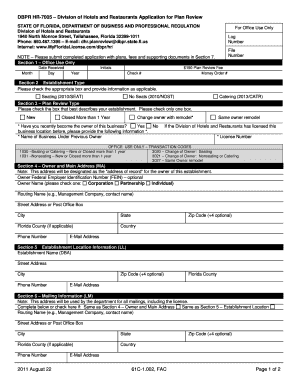
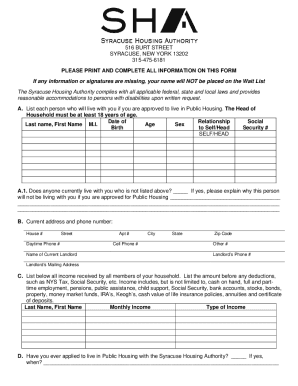
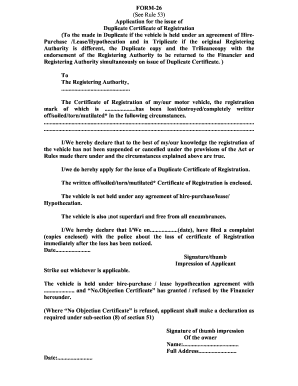
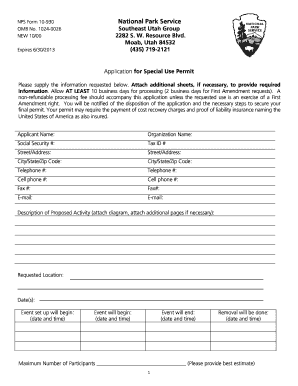
by KL Ciravolo 1987 In order for a court to adjudicate a particular case, it must have jurisdiction over the subject matter as well as personal juris-.Read more
The Trust intends to help small, women-owned, and minority-owned businesses in New Jersey retool operations and transition into the offshore wind industry.
No person who has been adjudicated by a court of competent jurisdiction to lack the capacity to understand the act of voting shall enjoy the right of suffrage.


