




01. Edit your form online
Type text, add images, blackout confidential details, add comments, highlights and more.

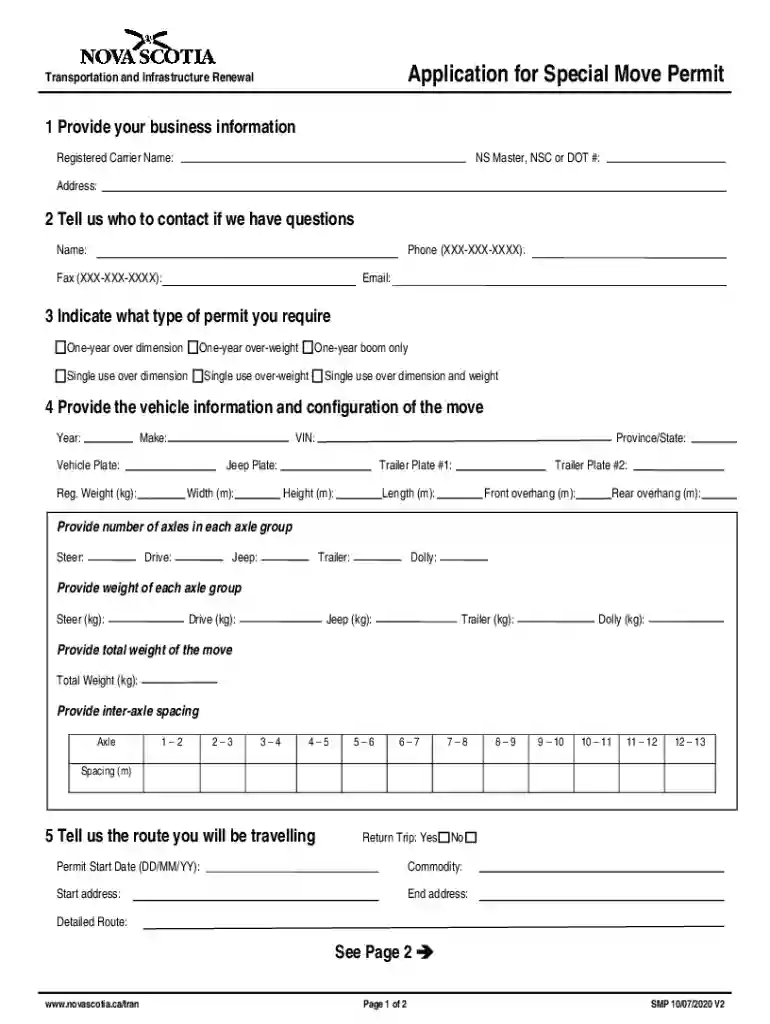
Type text, add images, blackout confidential details, add comments, highlights and more.

Draw your signature, type it, upload its image, or use your mobile device as a signature pad.

Send it via email, link, or fax. You can also download it, export it or print it out.
The Paratransit Vehicle License in New York City is a specialized permit that allows operators to provide transportation services for individuals with disabilities who cannot use standard public transportation. This license is crucial for ensuring accessible mobility options are available to all citizens, particularly catering to the needs of the elderly and those with mobility limitations. The license outlines specific guidelines and standards vehicles must meet, including modifications such as wheelchair accessibility.
Acquiring a Paratransit Vehicle License in New York City involves a series of steps. First, applicants must ensure their vehicles meet all local accessibility and safety requirements, including necessary vehicle modifications. Next, operators must submit an application to the New York City Taxi and Limousine Commission (TLC) with relevant documentation, such as vehicle registration and insurance details. Applicants may also be required to undergo background checks and attend certification programs designed to ensure they can safely and effectively serve their passengers.
The Paratransit Vehicle License application includes distinct elements that ensure each operator meets the necessary standards for safety and accessibility. Essential components include:
Understanding the terminology associated with the Paratransit Vehicle License is crucial for applicants. Some key terms include:
Obtaining the Paratransit Vehicle License involves a detailed application process:
Licensed operators must adhere to strict compliance standards to avoid penalties. This includes maintaining vehicle condition, upholding passenger safety, and adhering to approved service routes unless otherwise stated. Regular audits may be conducted to ensure ongoing compliance with TLC and ADA standards. Non-compliance can result in penalties, including fines or license revocation.
Paratransit Vehicle Licenses are primarily used by transportation companies focusing on non-emergency medical transportation or community services dedicated to assisting the disabled and elderly populations. These licenses benefit businesses aiming to contribute to accessible urban mobility.
While the Paratransit Vehicle License is issued on a city level in New York, similar licenses may be guided by different rules in other states. Operators planning to expand services should be aware of varying state requirements, such as different insurance levels or vehicle specifications. Researching state-specific regulations ensures compliance and aids in smooth transitions when crossing jurisdictions.
We've got more versions of the Paratransit Vehicle LicenseCity of New York form. Select the right Paratransit Vehicle LicenseCity of New York version from the list and start editing it straight away!
At DocHub, your data security is our priority. We follow HIPAA, SOC2, GDPR, and other standards, so you can work on your documents with confidence.


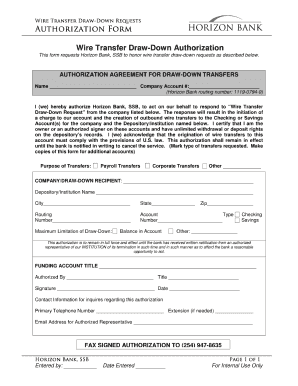




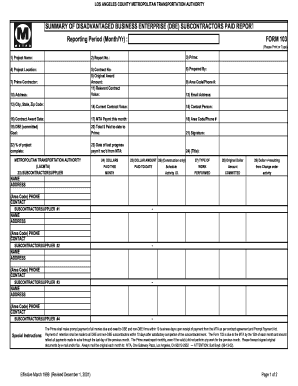
This license is for vehicles that help people in wheelchairs get around. The Taxi and Limousine Commission (TLC) gives out these licenses. How To Apply.Read more
Paratransit Vehicle Operator. If you applied for a Paratransit or Commuter Van license you do not need to take a TLC Drug Test.


