Definition & Meaning
The term "form online" refers to digital or electronic forms that can be completed and submitted over the internet. These forms are designed to replace traditional paper documents, providing a more efficient and accessible way to gather and process information. Users can fill out these forms on various devices, including desktops, tablets, and smartphones, ensuring convenience and flexibility. The digital nature of online forms facilitates automated data collection and integration with other systems, reducing manual entry errors and enhancing data accuracy.
How to Obtain the Form Online
Obtaining an online form typically involves visiting a website or platform where the form is hosted. In most cases, users can download the form directly or fill it out within a web application. Forms can often be found on government websites, corporate portals, or document management platforms like DocHub. When accessing a form on DocHub, users can begin by importing the document from various sources—such as their computer or cloud storage services—ensuring the form is ready for completion.
Steps to Complete the Form Online
- Access the Form: Navigate to the website or platform hosting the form and locate the specific document you need.
- Fill Out Required Fields: Use the provided interface to enter information into required fields. Text fields, checkboxes, and dropdown menus are common elements found in online forms.
- Add Attachments: If necessary, upload any supporting documents or images as instructed by the form.
- Review and Verify: Carefully review all entries for accuracy and completeness before submission.
- Submit the Form: Click the submit button to send your form electronically. Confirmation of receipt, such as an email notification, is often provided to ensure successful submission.
Key Elements of the Form Online
Online forms typically include several key elements designed to guide and assist users in completing them effectively:
- Text Fields: Allow entry of information such as names, addresses, and other required data.
- Checkboxes and Radio Buttons: Enable selection of multiple options or single choices within a category.
- Dropdown Menus: Provide a list of predefined options for streamlined selection.
- Signature Fields: Facilitate the electronic signing of forms for legal and official documentation.
These elements are critical in ensuring that forms are easy to understand and submit.
Legal Use of the Form Online
Online forms are subject to various legal considerations to ensure their legitimacy and security. Many platforms, like DocHub, comply with regulations such as the ESIGN Act, which ensures that electronic signatures are legally binding. This compliance provides users with confidence that their digitally submitted forms hold the same weight as their paper counterparts. Moreover, platforms often use encryption and authentication protocols to safeguard user data and maintain privacy standards.
Software Compatibility
When using online forms, it is important to consider the software compatibility with other applications like TurboTax or QuickBooks. Forms can often be integrated into accounting software for seamless data transfer, reducing duplication of efforts and ensuring accuracy. Platforms like DocHub enhance this compatibility by supporting various file formats, ensuring that forms can be exported and used across multiple platforms easily.
Required Documents
Completing an online form often necessitates gathering specific documents. These could include identification, proof of address, financial statements, or any other supporting documentation relevant to the form's purpose. Users should review the form’s instructions carefully to ensure they have all necessary documents on hand for attachment or verification purposes.
Examples of Using the Form Online
Online forms are utilized across a wide spectrum of applications, from personal tasks to business operations. Common examples include:
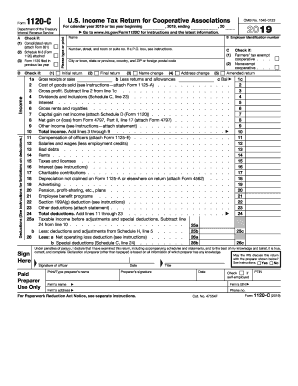
- Tax Returns: Completing and submitting IRS forms like the W-9 online.
- Permit Applications: Obtaining local government permits, such as garage sale permits, digitally.
- Business Registrations: Filing for business entity registration or renewals.
- Job Applications: Submitting resumes and application forms for employment opportunities.
These scenarios showcase the versatility and practicality of online forms in everyday situations.