






Definition & Meaning of Caregiver Daily Schedule Template
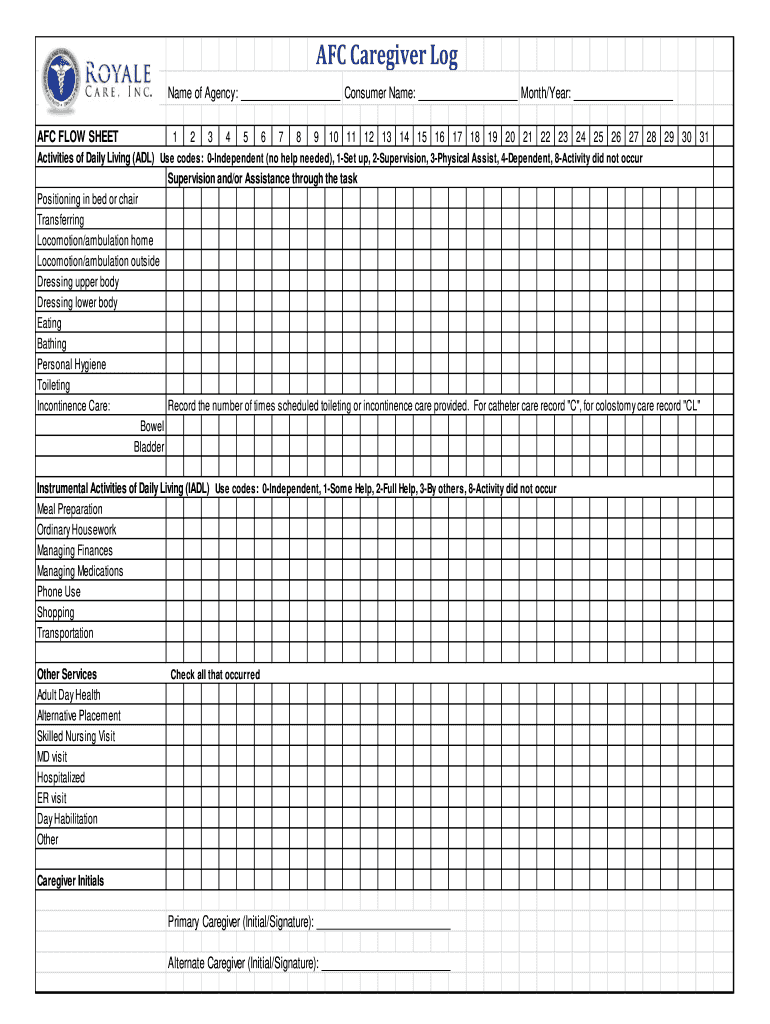
A caregiver daily schedule template is a structured document designed to help caregivers efficiently manage the daily activities and routines of the individuals they support. This template typically outlines specific tasks, appointments, and timings, offering a clear framework to ensure that care recipients receive consistent and organized care throughout the day. This type of schedule is particularly beneficial for caregivers working with elderly individuals, persons with disabilities, or patients with chronic illnesses, as it helps track both routine and specialized tasks.
Key features of a caregiver daily schedule template include:
- Time Slots: Clearly defined time intervals for each task, ensuring that caregivers allocate adequate time for each activity throughout the day.
- Task Descriptions: Detailed descriptions of the activities to be performed, ensuring clarity and accountability for caregivers.
- Flexibility: Sections that allow for adjustments based on the needs of the care recipient, as well as changes in the caregiver’s availability.
- Communication Log: Space for noting important updates or messages that need to be communicated to family members or other caregivers.
By using such templates, caregivers can ensure they fulfill all necessary duties while also providing quality care in a predictable and structured manner.
How to Use the Caregiver Daily Schedule Template Effectively
To use a caregiver daily schedule template effectively, caregivers should follow systematic steps to ensure that all essential tasks are accounted for and performed on time. Here are some recommendations for maximizing the utility of the template:
-
Identify Key Responsibilities: Begin by listing the daily activities that are essential for the care of the individual. This may include personal care tasks, medication administration, meals, and social activities.
-
Allocate Time for Each Task: Assign specific time slots for each identified task, taking into consideration the average duration for completion. Ensure that transitions between tasks are factored in to maintain a smooth workflow.
-
Prioritize Tasks: Rank tasks based on urgency and importance to ensure critical needs are met first. This prioritization can help in managing unexpected situations that may arise during the day.
-
Customize the Template: Adapt the template to reflect the unique needs and preferences of the care recipient. For example, if a particular person has specific routines or activities that they enjoy, include those in the schedule.
-
Communicate and Share: If multiple caregivers are involved, share the schedule with all members of the care team. This ensures everyone is aware of their responsibilities and can maintain consistency in care.
-
Review and Adjust: Regularly review the schedule to evaluate its effectiveness. Adjustments may be necessary based on feedback from the care recipient or changes in their health status or preferences.
Overall, a caregiver daily schedule template can significantly improve the quality of support provided and enhance the caregiver's efficiency.
Steps to Complete the Caregiver Daily Schedule Template
Filling out a caregiver daily schedule template accurately requires careful consideration and attention to detail. Here is a step-by-step guide:
-
Download or Prepare the Template: Obtain a caregiver daily schedule template, either by downloading a free version online or creating one based on personal requirements.
-
Input the Date: Begin by entering the date for which the schedule applies. This helps in maintaining records and ensures clarity for daily management.
-
Write Down the Care Recipient's Name: Clearly note the name of the individual receiving care to avoid confusion, especially if the caregiver supports multiple clients.
-
List Daily Activities: Write down all activities planned for the day. This should include routine tasks, any appointments (such as doctor visits), and special activities.
-
Set Timings for Each Activity: Assign specific start and end times for each listed activity. Consider breaks between tasks to allow for flexibility.
-
Add Special Notes: Include any important notes that provide context for tasks, such as dietary restrictions, behavior cues, or reminders about medications.
-
Provide Space for Documentation: Allocate a section in the template for caregivers to record observations, changes in the care recipient’s condition, or any other relevant information throughout the day.
-
Review the Completed Schedule: Prior to finalizing, review the schedule to ensure it covers all necessary areas and is realistic in terms of time allocation.
By following these structured steps, caregivers can create a comprehensive daily schedule that enhances the quality of care provided.
Key Elements of the Caregiver Daily Schedule Template
A caregiver daily schedule template consists of several critical elements that collectively contribute to effective caregiving. Understanding each of these components ensures caregivers can provide organized and responsive care. The essential elements include:
-
Time Allocation: Each entry should specify when an activity will take place to help caregivers stay on track and manage tasks efficiently.
-
Activity Description: Clearly explained tasks help ensure caregivers understand what is required. Whether it is preparing meals, assisting with personal hygiene, or facilitating recreational activities, thorough descriptions are vital.
-
Health and Safety Considerations: Important health-related notes should be included, such as medication schedules, allergy information, and mobility assistance requirements.
-
Emergency Contacts: A list of emergency contacts should be present, including family members, healthcare providers, and pharmacy information in case quick communication is necessary.
-
Progress Tracking: Areas for tracking any changes in behavior or health condition can help in assessing the effectiveness of the care plan and making necessary adjustments.
Having a structured approach to these elements lets caregivers manage their responsibilities systematically while focusing on high-quality care for their clients.
Examples of Utilizing the Caregiver Daily Schedule Template
Utilizing a caregiver daily schedule template effectively can streamline care provision significantly. Here are practical scenarios demonstrating how the template can be leveraged:
-
Daily Routine for an Elderly Patient: For an elderly patient with dementia, a daily schedule can include memory exercises, meal times, medication reminders, and physical therapy sessions. Each aspect is mapped out with specific timings that are consistent day-to-day, fostering familiarity and comfort for the patient.
-
Care for Individuals with Disabilities: A caregiver supporting a person with physical disabilities may document transportation arrangements for appointments, scheduled physical therapy, and recreational outings. The template provides a visual guide to ensure all necessary tasks are accomplished without overlooking important activities.
-
Multi-Client Caregiving: A caregiver who operates in a home health care setting may have a daily schedule template dedicated to each client. By customizing templates per individual needs, the caregiver can maintain organized care without mixing responsibilities.
Through these use cases, it becomes clear that a caregiver daily schedule template is not just a tool for organization but an essential element in providing tailored, effective care.