




01. Edit your nc d 410 online
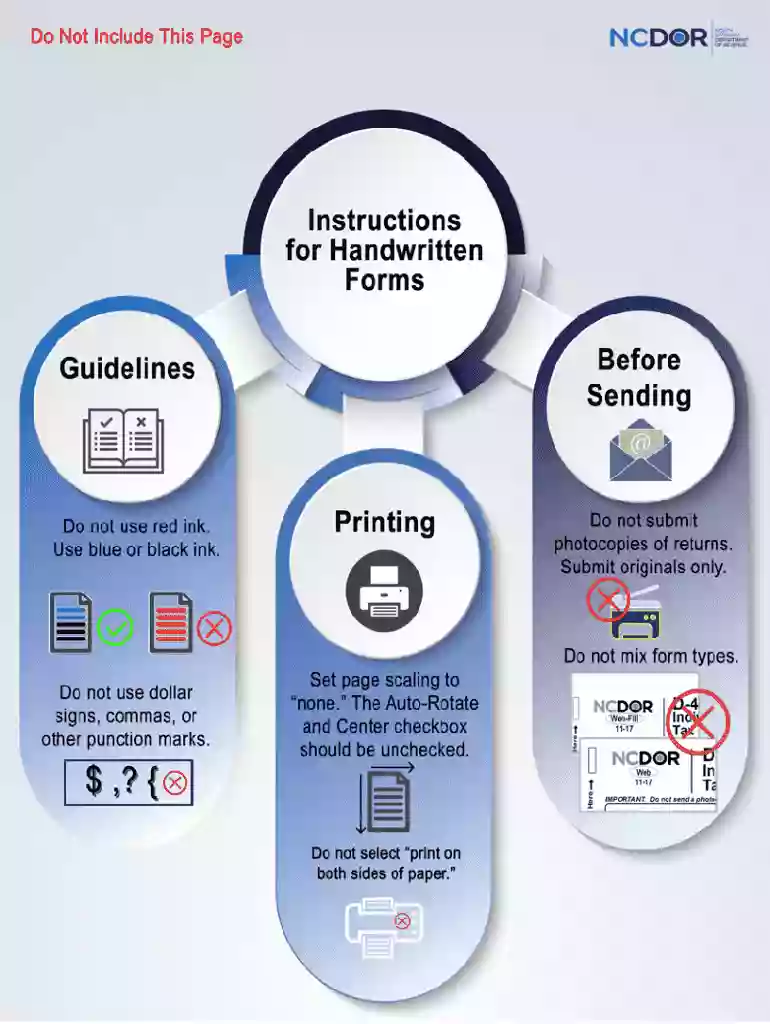
Type text, add images, blackout confidential details, add comments, highlights and more.

Type text, add images, blackout confidential details, add comments, highlights and more.

Draw your signature, type it, upload its image, or use your mobile device as a signature pad.

Send it via email, link, or fax. You can also download it, export it or print it out.
The Application for Extension for Filing Individual Income Tax Return, commonly known as Form 4868 for federal taxes, is a document used by taxpayers to request additional time to file their income tax return. Instead of the usual due date of April 15, this form allows individuals to extend the filing deadline to October 15 without incurring any penalties for late filing. However, it is crucial to note that this extension does not grant more time to pay any taxes owed. Any unpaid taxes must be estimated and paid by the original due date to avoid interest and penalties.
Using the application effectively involves understanding its primary purpose and ensuring proper completion and submission. Taxpayers should first estimate their tax liability for the year and calculate if they owe additional taxes. When filling out the form, precise information is necessary, including personal details and tax estimates. Once completed, the form can be submitted electronically through IRS e-file services or by mail, depending on the preference and resources available to the taxpayer. Electronic filing is often recommended for faster processing and confirmation.
Download or Obtain the Form: Taxpayers can download Form 4868 from the IRS website or obtain a physical copy from the IRS office or a tax professional.
Fill Out Personal Information: Include your name, address, and Social Security Number. Make sure this information matches IRS records to prevent processing delays.
Estimate Tax Liability: Calculate your total tax liability for the year. Account for any payments already made, including withholdings and estimated taxes.
Calculate Payment Due: Determine the balance owed by subtracting payments made from the estimated tax liability. If any amount is due, consider submitting a payment with the extension form to minimize interest and penalties.
Submit the Form: Choose an electronic submission through the IRS e-file or mail the completed form to the appropriate IRS address listed in the instructions for your specific location.
When preparing to submit the Application for Extension for Filing Individual Income Tax Return, having specific documents on hand can facilitate accurate completion. Essential documents include:
According to IRS guidelines, the typical deadline for filing an extension is April 15 each year, the same as the standard tax filing deadline. However, if April 15 falls on a weekend or public holiday, the deadline may be pushed to the next business day. It's important to ensure that the application is filed by this date to avoid any penalties for late filing. Although the extension allows for the submission of tax forms by October 15, taxpayers must pay their estimates by the April deadline.
Failure to either file an extension or submit a complete tax return by the designated deadline can lead to various penalties. The IRS imposes a failure-to-file penalty, generally five percent of the unpaid taxes for each month or part of a month that a tax return is late. The cumulative penalty can increase to a maximum of 25 percent of unpaid taxes. Additionally, interest charges accrue on any unpaid tax from the original due date until the date of payment.
Different taxpayer scenarios affect the necessity and benefits of using this form, including:


While Form 4868 is used for federal tax return extensions, states may have their own requirements and forms. Some states accept the federal extension as valid for state taxes, while others require a separate application. For instance, California and New York have their own forms and procedures. It's essential for taxpayers to verify state-specific regulations to ensure compliance on both federal and state levels.
Taxpayers should refer to their state's Department of Revenue for detailed information about filing extensions and any associated requirements to avoid unexpected complications.
We've got more versions of the nc d 410 form. Select the right nc d 410 version from the list and start editing it straight away!
At DocHub, your data security is our priority. We follow HIPAA, SOC2, GDPR, and other standards, so you can work on your documents with confidence.




An individual who is required to file an individual income tax return will be allowed an automatic 6-month extension of time to file the return after the date
How to request extension of 15-day deadline? (a) Extension: (i) File application with AO before 15 days expire, (ii) AO may extend defect cleared.


