







Definition and Meaning
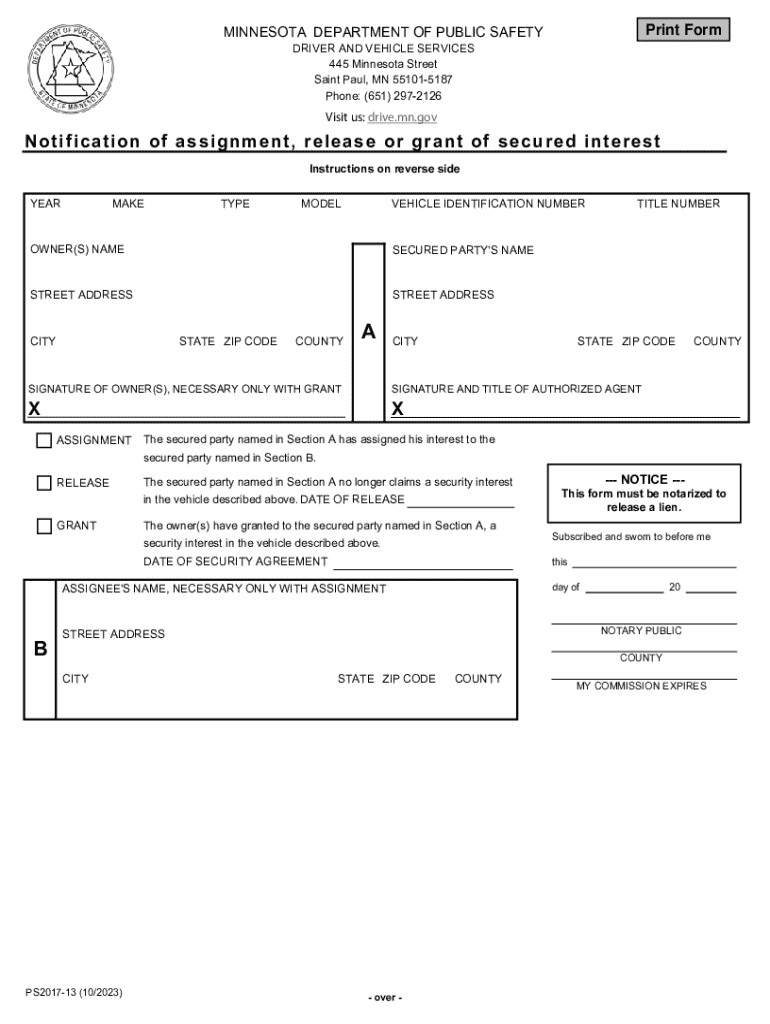
Library Research Guides: Driving Traffic Laws Vehicles: Forms serve as a comprehensive reference for understanding vehicle-related legal procedures within the context of driving and traffic regulations. These forms provide vital information on the nuances of traffic laws and vehicle handling requirements, ensuring individuals and organizations can navigate legal documentation with confidence. Their primary function is to provide detailed guidelines and steps necessary to complete legal processes related to vehicles. The forms ensure compliance with state-specific regulations, providing a structured approach to gathering required data and fulfilling legal obligations.
How to Use the Library Research Guides Forms
To effectively utilize the Library Research Guides: Driving Traffic Laws Vehicles: Forms, users should follow a methodical approach. Begin by reading the instructions accompanying the forms to understand the required information and associated legal stipulations. The forms are designed to guide users through the legal processes, ensuring that each section captures essential data, such as vehicle details and ownership information. Annotating key sections and using complementary resources available through library research guides can enhance comprehension and facilitate the completion of legal requirements.
Step-by-Step Completion Process
- Gather Required Information: Collect all necessary documents and details related to the vehicle, such as registration information and ownership records.
- Review Instructions: Carefully read the instructions for each section of the form, noting any specific state requirements or legal terms.
- Fill in Details: Complete each section methodically, ensuring all provided information is accurate and up-to-date.
- Consult Library Research Guides: Use supplementary resources for additional context or clarification on legal terms and processes.
- Submit Form: Follow state-specific guidelines for submission, whether it be online, by mail, or in person.
Key Elements of the Forms
The Library Research Guides: Driving Traffic Laws Vehicles: Forms comprise several essential components designed to capture all relevant legal information efficiently. These key elements ensure that users meet statutory requirements and complete their responsibilities with precision.
- Vehicle Details: Sections dedicated to capturing data such as make, model, and identification numbers.
- Owner Information: Fields for inputting ownership details, ensuring clarity in legal ownership and responsibility.
- Secured Party Information: If applicable, details about secured parties to outline financial interests tied to the vehicle.
- Instructions for Assignments: Guidelines on how to complete sections related to transferring, releasing, or securing interests in the vehicle.
Important Terms Related to the Forms
Understanding the terminology associated with Library Research Guides: Driving Traffic Laws Vehicles: Forms is crucial for accurate completion. Some key terms include:
- Secured Interest: A legal claim or lien on a vehicle until certain financial obligations are fulfilled.
- Notarization: The formal process of certifying documents, often required for releases.
- Assignment: The transfer of a legal interest in the vehicle from one party to another.
Examples of Using the Forms
In practical use, these forms are essential in various scenarios involving vehicle transfers, registrations, or when modifying vehicle ownership due to financial commitments. For instance, when a vehicle is sold or there is a change in secured parties, the forms provide a legal framework to document these transactions. Similarly, if a bank holds a lien on a car, the form ensures proper documentation of the secured interest before releasing the title to the owner.
State-Specific Rules
One of the pivotal elements of utilizing these forms is adhering to diverse state-specific rules governing vehicle and traffic laws. Each state has unique requirements that must be addressed within the form. Users must integrate state-specific legal language and procedures, ensuring compliance with local regulations. Using state resources or consulting with legal experts can provide additional clarity on variances between jurisdictions.
Form Submission Methods
Depending on regulatory requirements and personal preference, these forms can be submitted through multiple channels.
- Online Submission: Use state-specific portals to submit the completed forms electronically.
- Mail: Sending forms via certified mail to the designated state authority.
- In-Person: Visiting a local Department of Motor Vehicles (DMV) or equivalent agency to hand-deliver the documents.
Legal Use of the Forms
The forms serve as a legal instrument for documenting and executing state-mandated procedures related to vehicle operations and ownership. They are instrumental when navigating legal obligations concerning driving and traffic laws, ensuring compliance and safeguarding against potential legal issues. Notarization and accurate completion of these forms are crucial to their enforceability and integrity in legal settings.
Required Documents
Collecting all required documents is a fundamental part of accurately completing the Library Research Guides Forms. Commonly needed documents include:
- Proof of Ownership: Such as a vehicle title or bill of sale.
- Identification: Valid driver’s license or state ID.
- Financial Documentation: If applicable, details of any liens or secured parties involved.
Digital vs. Paper Versions
Both digital and paper versions of these forms are available, allowing flexibility in completion and submission. While digital forms offer convenience and ease of access, paper forms may be preferred in certain situations for signature authenticity or when digital submission is not feasible. Understanding the advantages and limitations of each version is essential for making informed decisions regarding submission.




