






Definition and Meaning of "Form Online"
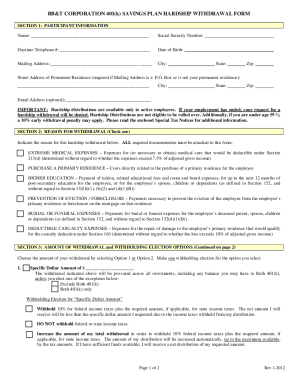
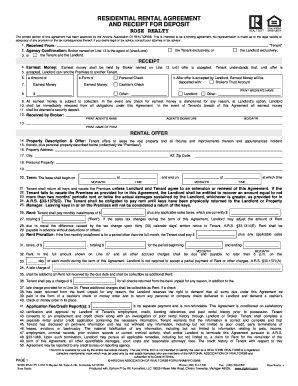
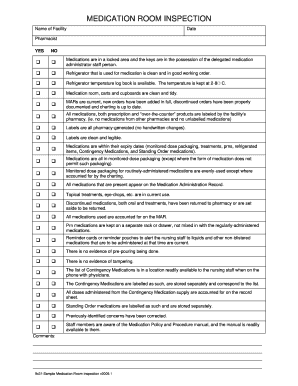
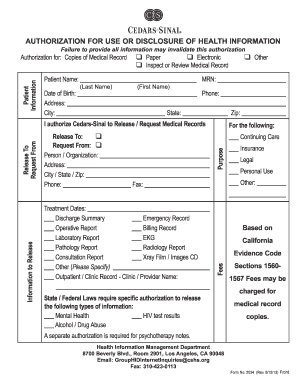
An online form is a digital version of traditional paper forms designed to collect data from users over the internet. These can range from simple contact forms to more complex applications like tax filings or employment applications. The advantage of using forms online is the ease and speed with which they can be completed, submitted, and processed.
Different Types of Online Forms
- Contact forms: Used to gather contact information from users.
- Application forms: For job applications, school admissions, etc.
- Registration forms: Used for signing up for events, workshops, or classes.
- Survey forms: For collecting feedback and opinions.
- Order forms: Used in e-commerce for product orders.
Benefits of Using Online Forms
- Accessibility: Users can fill out forms anytime, anywhere with an internet connection.
- Efficiency: Streamlines data collection and reduces the need for manual data entry.
- Accuracy: Automated validations reduce human error in data entries.
How to Use an Online Form
Using an online form involves a few straightforward steps, mostly requiring an internet connection and a device like a smartphone, tablet, or computer.
- Access the Form: Navigate to the website hosting the form.
- Complete the Fields: Fill in the required information accurately.
- Submit the Form: Review all entries and click the 'submit' button.
- Confirm Submission: Await confirmation, usually via email or on-screen acknowledgment.
Important Considerations
- Ensure Internet Connectivity: Without a stable connection, submissions might be incomplete.
- Check for Required Fields: Forms often mark mandatory fields that must be filled to proceed.
- Verify the Information: Double-check entries to avoid errors that might delay processing.
Steps to Complete the Form Online
Completing an online form is a user-friendly process designed to ensure efficiency:
- Collect Necessary Documents: Have all required information at hand, such as identification numbers, addresses, or financial details.
- Read Instructions Carefully: Ensure you understand what's required in each field.
- Enter Data Accurately: Typing errors can lead to processing delays.
- Use Provided Tools: Some forms come with tools like calendars or drop-down menus to facilitate accurate data input.
- Review Before Submission: Ensure everything is filled out correctly to prevent rejection.
Common Mistakes to Avoid
- Omitting Information: Leaving out a required field can lead to submission errors.
- Misspelling: Especially in name and address fields, as this can affect recognition.
- Ignoring Form Limits: Many forms have character limits or restrictions on data types.
Why You Should Choose to Form Online
Filling forms online offers numerous advantages over traditional methods:
Speed and Efficiency
- Instant Submission: Submit forms in seconds, reducing the time it takes for processing and response.
- Automation: Automated systems can handle submissions quickly and accurately.
Cost-Effectiveness
- Eliminate Paper Costs: Save on the expenses related to printing and mailing forms.
- Reduced Labor: Minimize human resources needed to collect and enter data manually.
Enhanced Security
- Secure Transactions: Uses encryption to protect personal information during submission.
- Data Integrity: Keeps records safe from loss due to physical damage or misplacement.
Who Typically Uses Online Forms
Online forms are utilized by a wide range of users catering to different purposes:
Individual Users
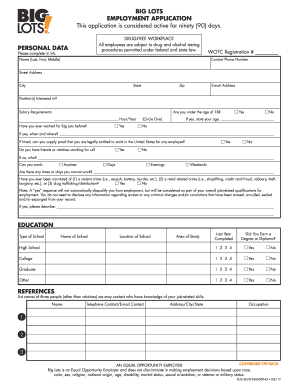
- Job Seekers: For employment applications.
- Students: As part of academic applications or surveys.
- Consumers: For product registrations or service feedback.
Businesses and Organizations
- Marketing Teams: Gathering customer data through surveys.
- HR Departments: Collecting employee data or applications.
- Event Managers: Registration for events or conferences.
Key Elements of a Form Online
Online forms consist of multiple components that facilitate data collection:
Components
- Input Fields: Text boxes, radio buttons, checkboxes, or dropdown lists.
- Submit Button: To allow users to send their completed form.
- Validation Tools: Ensures data accuracy before submission.
- Instructions Panel: Provides users with guidance on how to complete the form.
Features for Enhanced User Experience
- Responsive Design: Adapts to different screen sizes for mobile users.
- Dynamic Content: Offers real-time changes based on user input to simplify complex processes.
Examples of Using a Form Online
Online forms serve many practical applications across various sectors:
- E-commerce Checkout: Customers fill out forms with payment and shipping details.
- Healthcare Registrations: Patients use forms to complete medical history or appointment requests.
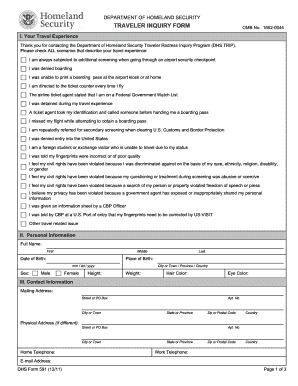
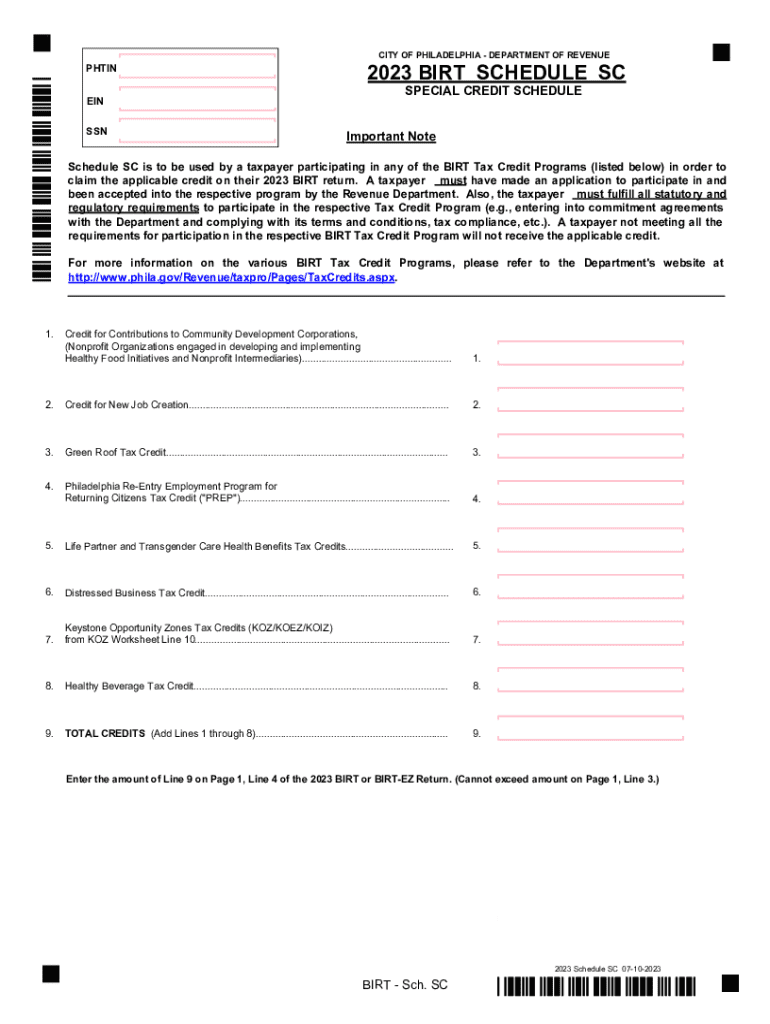
- Government Services: Tax filings or official permit applications done online.
- Surveys and Feedback: Companies collect customer satisfaction data through forms.
Real-World Scenarios
- Event Planning: Forms used to collect RSVP details or dietary preferences.
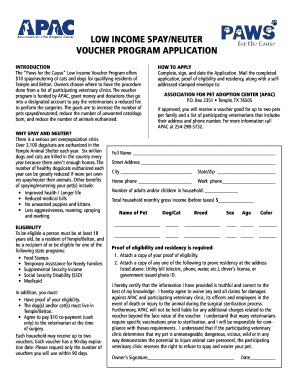
- Education: Forms for scholarship applications or course registrations.
Digital vs. Paper Version
Many organizations now prefer digital forms due to their numerous benefits over paper versions:
Comparison
- Storage: Digital forms save physical space, allowing storage in cloud systems.
- Eco-Friendly: Reduces paper waste and conserves resources.
- Automation Capabilities: Easier integration with digital workflows and systems.
Paper Forms’ Challenges
- Processing Time: Manual handling can be time-consuming.
- Error Rate: Increased likelihood of errors due to manual entry.
In conclusion, each block provides a detailed examination of the online form's utility, emphasizing a diverse range of applications, user benefits, and step-by-step instructions, structured to maximize the reader's understanding and practical use of the form.