






Overview of the 508 Form at the DMV
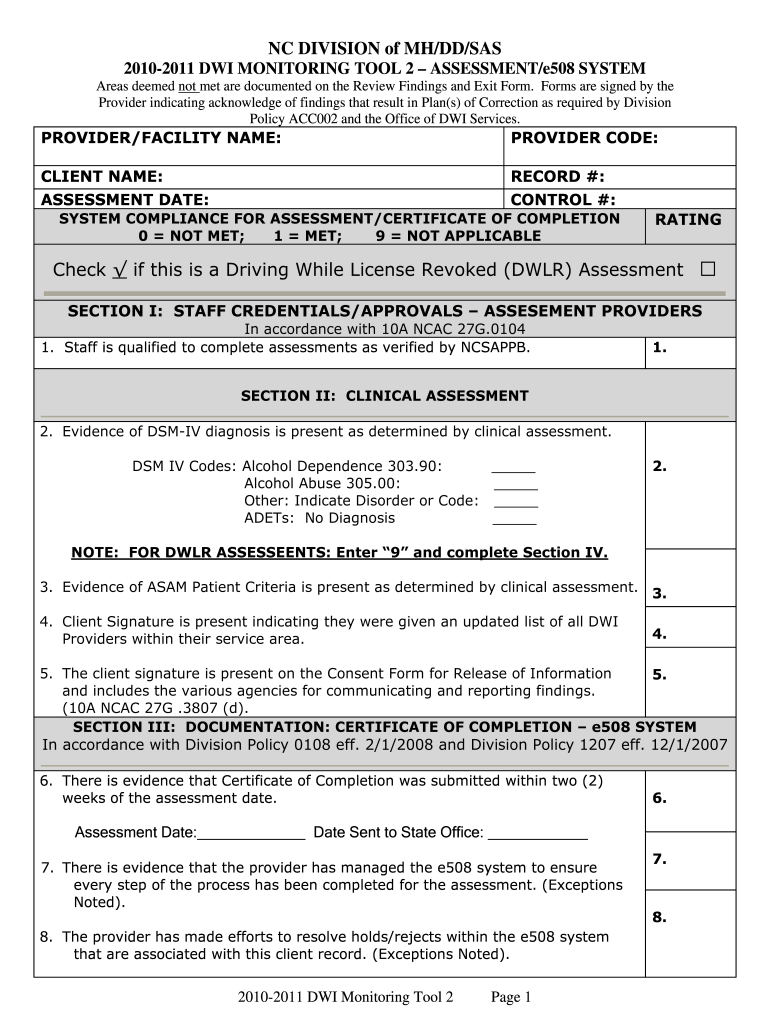
The 508 form, often referred to as the NC 508 form, is a crucial document used in North Carolina's Department of Motor Vehicles (DMV) processes, particularly concerning driving while impaired (DWI) assessments. It serves as a comprehensive tool designed to evaluate individuals who have been charged with DWI offenses. This form is essential for ensuring that assessments are standardized and that relevant data is collected effectively.
Purpose and Importance of the 508 Form
The primary aim of the 508 form NC DMV is to facilitate driving assessments, which can include evaluations of an individual's substance use and its impact on their driving abilities. This assessment is not merely a formality; it's an important step in determining whether an individual is fit to drive following a DWI offense. The outcomes of these evaluations can influence legal consequences, including license suspension or reinstatement.
- Data collection: The form gathers critical information that informs the assessment process, including personal details and the nature of the offense.
- Standardized evaluation: It establishes a uniform approach for handling DWI assessments, aiding in legal procedures and consistency across cases.
Key Sections and Required Information
The NC DMV 508 form includes several key sections that need to be filled out thoroughly. Ensuring accurate completion is vital as any discrepancies could delay the assessment process or lead to additional legal ramifications. Significant sections include:
- Personal Information: Full name, date of birth, driver's license number, and contact information.
- Offense Details: Information about the DWI charge, including dates and locations.
- Previous Assessments: History of prior assessments related to substance use or driving offenses.
Each section is structured to gather specific data, helping assessment providers to perform an informed evaluation.
Completing the 508 Form: Step-by-Step Process
Filling out the 508 form involves several steps that should be followed carefully to ensure all information is communicated clearly and accurately. The process can be broken down as follows:
- Download or Obtain the Form: Visit the NC DMV website or obtain a physical copy from a local DMV office.
- Personal Information: Begin by entering your personal details accurately.
- Offense History: Provide a detailed account of any DWI charges or related offenses.
- Review and Verify: Double-check all entries for accuracy to avoid potential issues during the assessment process.
- Submission: Submit the completed form to the designated assessment provider or DMV office, following any additional instructions provided regarding submission methods.
Proper attention to detail throughout this process can significantly impact the assessment's outcome.
Legal Aspects and Compliance Requirements
When filling out the 508 form, understanding its legal implications is crucial. The form acts as a formal documentation of an individual’s DWI assessment and compliance with state regulations. Key points include:
- Legally Binding: Information provided on the form may be used in court proceedings, making accuracy essential.
- Privacy Considerations: The data collected is handled in compliance with privacy laws, emphasizing that sensitive personal information must be safeguarded.
Failure to adhere to these legal requirements can result in significant penalties, including fines or extended legal consequences.
Role of Assessment Providers in Evaluating the 508 Form
Assessment providers play a vital role in the DWI evaluation process. They receive the 508 form and are responsible for interpreting the information to determine the individual’s fitness to drive. Key responsibilities include:
- Conducting Assessments: Providers review the completed 508 form and may request further information or documentation before conducting interviews or assessments.
- Issuing Reports: After evaluation, providers must prepare detailed reports that may influence whether an individual’s driving privileges are restored.
Understanding the role of these professionals can help individuals navigate the process more effectively.