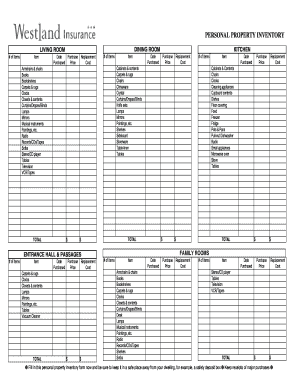
Definition and Purpose of the Annual Unit Inspection Form
The Annual Unit Inspection Form is a critical tool used to evaluate the condition of various elements within a residential unit. It is designed to systematically list and assess components, ensuring they meet safety and habitability standards. This form is intended for routine inspections and includes sections to document the state of the kitchen, bathrooms, living room, bedrooms, and exterior parts of the property. By maintaining a detailed record, landlords and property managers can effectively monitor and manage property conditions, facilitating necessary maintenance and repairs.
Key Elements Documented
- Kitchen: Evaluation of appliances, counters, and plumbing fixtures.
- Bathrooms: Condition of fixtures, tiles, and plumbing.
- Living Room & Bedrooms: Assessment of flooring, lighting, and wall integrity.
- Exterior: Inspection of roofs, windows, and common areas.
How to Use the Annual Unit Inspection Form
Employing the Annual Unit Inspection Form requires a systematic approach. It serves as both a checklist and a recording tool for property inspectors. Users should start by evaluating one section of the unit at a time, documenting each element's state.
- Preparation: Gather all necessary tools and familiarize yourself with the form layout.
- Inspection: Methodically inspect each area as listed in the form.
- Documentation: Record the condition and any observed issues, noting repairs or replacements needed.
- Review: After inspecting all areas, review the form for completeness and clarity.
- Signatures: Obtain signatures from both the resident and the property manager to validate the inspection.
Steps to Complete the Annual Unit Inspection Form
Completing this form involves several detailed steps to ensure accurate and comprehensive documentation.
- Identify Areas: Begin with a clear identification of inspection zones.
- Assess Conditions: Evaluate the condition of each item within every zone specified.
- Note any damages, wear, or safety concerns.
- Include photographs if applicable.
- Record Observations: Use the spaces provided to write down observations and any additional remarks.
- Recommendations: Propose necessary actions for repair or improvement.
- Sign and Date: Ensure both inspector and occupant sign the form to confirm the inspection details.
- Archive: Keep a copy for records and future reference.
Who Typically Uses the Annual Unit Inspection Form
This form is primarily utilized by landlords, property managers, and maintenance teams. It provides a structured way to assess property conditions regularly. Tenants also benefit from understanding the current state of their living environment and can address potential issues proactively.


Common Users Include:
- Landlords: Verify the upkeep of rental properties.
- Property Managers: Monitor multiple units efficiently.
- Maintenance Staff: Identify routine and emergency maintenance needs.
- Tenants: Acknowledge their living conditions and responsibilities.

Legal Use of the Annual Unit Inspection Form
In the United States, the Annual Unit Inspection Form plays a role in legal compliance by helping ensure properties are habitable and meet safety standards. Landlords have a legal obligation to provide safe and adequate living conditions, and this form helps document compliance with local housing regulations.
Key Legal Aspects:
- Documentation: Provides evidence of regular property maintenance.
- Compliance: Ensures property conditions meet local housing codes.
- Issue Resolution: Facilitates the identification and timely resolution of potential legal issues related to housing quality.
State-Specific Rules for the Annual Unit Inspection Form
The utility and requirements of the Annual Unit Inspection Form can vary depending on state regulations. Each state may have specific housing codes or inspection mandates that influence the form's content and frequency of use.
State Variations May Include:
- Frequency: Some states require more frequent inspections.
- Detail Level: Variations in what's required to be documented.
- Confirmations: State-specific certification or reporting requirements.
Examples of Using the Annual Unit Inspection Form
To showcase practical applications, consider these scenarios where the form proves indispensable:
- Move-In Inspections: Document the property condition before tenant occupation to establish a baseline.
- Routine Maintenance Checks: Regularly scheduled inspections to prevent long-term damage or costly repairs.
- Pre-Sale Assessments: Property evaluations before sale or lease to inform potential buyers or renters.
Required Documents for Completing the Form
While executing the Annual Unit Inspection Form, several supporting documents may be necessary to ensure comprehensive and accurate reporting.
- Previous Inspection Reports: Comparisons to past condition assessments.
- Maintenance Records: Documentation of past repairs and improvements.
- Tenant Information Sheet: Current tenant contact and occupancy details.
These documents together provide a full picture of the unit's current state, facilitating better property management and regulatory compliance.