


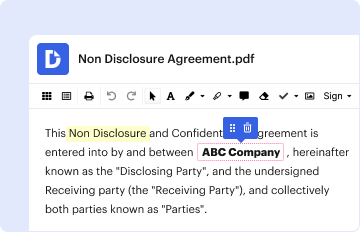
01. Edit your mass form 1 2024 online
Type text, add images, blackout confidential details, add comments, highlights and more.

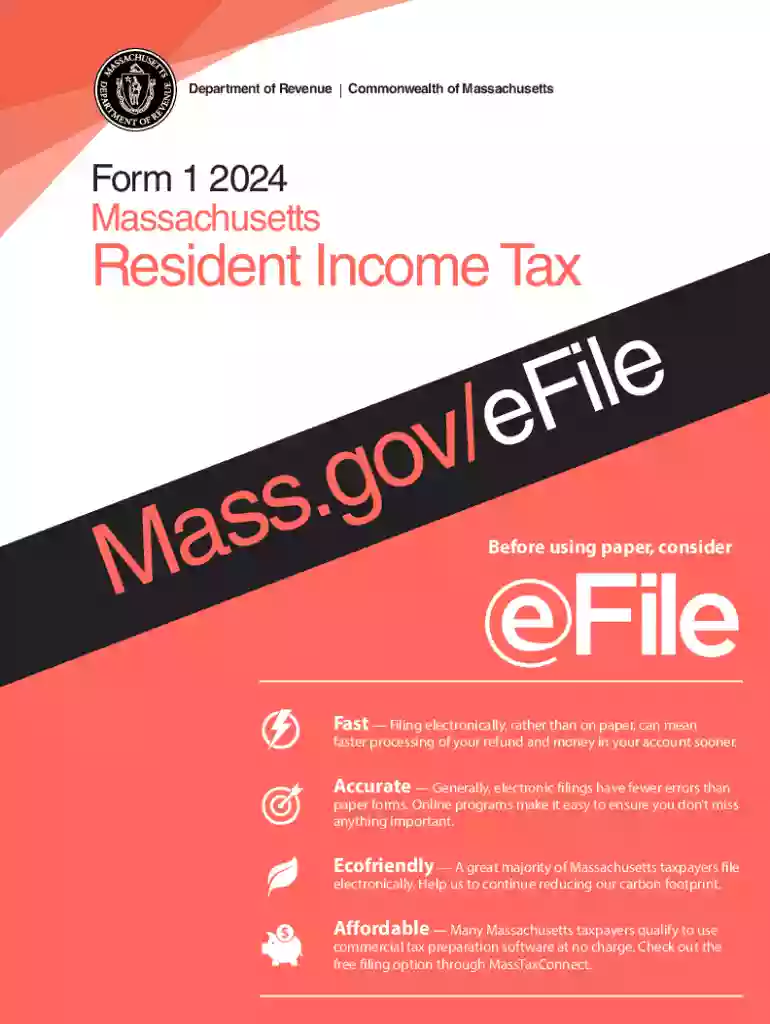
Type text, add images, blackout confidential details, add comments, highlights and more.
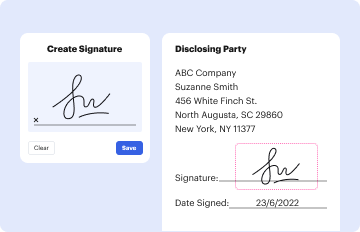
Draw your signature, type it, upload its image, or use your mobile device as a signature pad.

Send mass dor 2024 form 1 via email, link, or fax. You can also download it, export it or print it out.
The term "form online" refers to the creation, management, and completion of digital forms on the internet. These forms allow users to input and submit information electronically, streamlining processes that traditionally required paper documents. Online forms can include a wide variety of applications, from tax filing and job applications to surveys and business contracts. By digitizing these forms, organizations reduce the need for physical storage, speed up data collection, and minimize human error.
To obtain a form online, users typically start by accessing the website of the organization or service provider that issues the form. For instance, government forms can be found on relevant government websites, while business-related forms may be available on platforms like DocHub. Once on the site, users can search for the specific form they need, download it directly, or, in some cases, fill it out completely online. Many platforms offer easy navigation with search functions or categorized form libraries to help users locate forms quickly.
Completing a form online involves several systematic steps. First, users must access the form on the designated platform. Next, they fill in all required fields, ensuring accuracy and completeness. Many online forms include built-in validation tools that check for missing or incorrectly formatted information before allowing submission. Upon completing the form, users should review their entries to confirm everything is correct. The final step typically involves submitting the form electronically. Some platforms also allow users to save their progress or print a copy for their records.
Online forms consist of several key elements designed to facilitate a smooth and efficient data collection process. These elements include fillable fields, such as text boxes, checkboxes, dropdown menus, and signature fields. Each element serves a specific purpose, enabling users to provide detailed and structured responses. Additionally, many online forms incorporate navigation aids, such as progress indicators or help icons, to assist users as they complete different sections. This design ensures users can easily understand and complete the form without needing additional guidance.
Online forms are used by a diverse range of individuals and organizations. Businesses often use them for gathering client information, processing orders, and handling employee onboarding. In educational settings, online forms can facilitate course registrations and student feedback collection. Government agencies employ digital forms for tax submissions, permit applications, and more. Additionally, non-profit organizations utilize online forms for volunteer sign-ups and donation collections. This broad applicability makes online forms a versatile tool across various sectors.


There are numerous practical examples of using forms online across different domains. For tax purposes, individuals can complete and submit tax returns electronically through platforms like the IRS e-file. Businesses may conduct customer satisfaction surveys or process job applications using online forms. In healthcare, patients can fill out intake forms before visiting their healthcare providers. These examples illustrate how online forms enhance user convenience, reduce processing times, and improve data accuracy by eliminating paper-based transactions.
The legal use of forms online involves ensuring that these forms comply with relevant regulations and standards. This includes adherence to privacy laws, such as the General Data Protection Regulation (GDPR) or the Health Insurance Portability and Accountability Act (HIPAA) for healthcare-related forms in the U.S. Additionally, electronic signatures on online forms must comply with laws like the Electronic Signatures in Global and National Commerce Act (ESIGN Act) to be considered legally binding. Organizations must ensure secure handling and storage of electronic data to maintain compliance.
Understanding key terminology is crucial when dealing with online forms. Common terms include:
These terms and associated concepts provide a foundational understanding, enabling users to navigate the online form ecosystem effectively.
We've got more versions of the mass form 1 2024 form. Select the right mass form 1 2024 version from the list and start editing it straight away!
| Versions | Form popularity | Fillable & printable |
|---|---|---|
| 2025 | 4.8 Satisfied (54 Votes) | |
| 2024 | 4.9 Satisfied (36 Votes) | |
| 2023 | 4.5 Satisfied (20 Votes) | |
| 2021 | 4.8 Satisfied (77 Votes) | |
| 2020 | 4.2 Satisfied (58 Votes) | |
| 2019 | 4.3 Satisfied (137 Votes) | |
| 2018 | 4.4 Satisfied (169 Votes) | |
| 2017 | 4.2 Satisfied (49 Votes) | |
| 2014 | 4.4 Satisfied (426 Votes) | |
| 2013 | 4.3 Satisfied (73 Votes) |
At DocHub, your data security is our priority. We follow HIPAA, SOC2, GDPR, and other standards, so you can work on your documents with confidence.
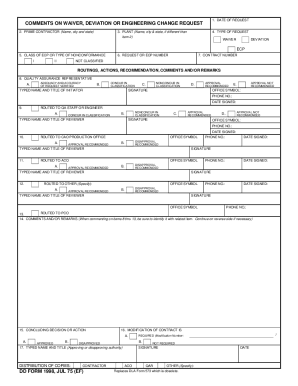
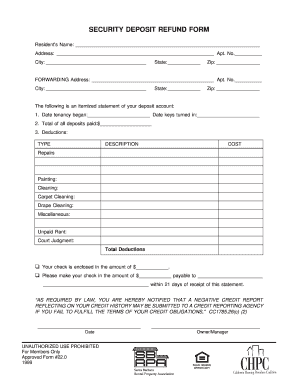

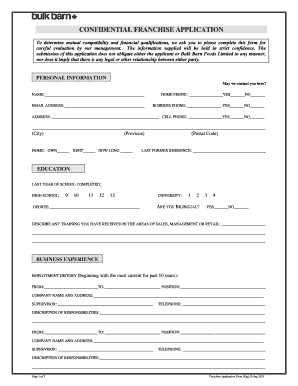
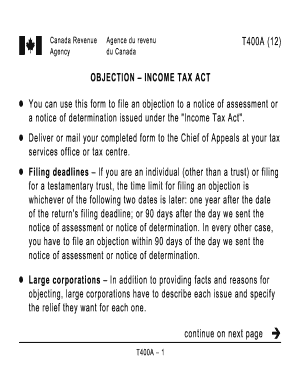
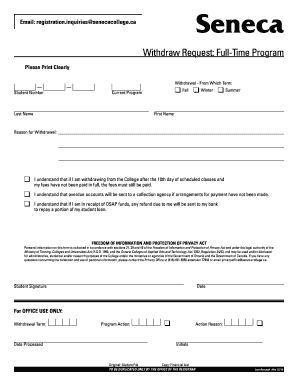

Form 1: MA Resident Income Tax Return. Open PDF file, 182.58 KB, 2024 Form 1: Massachusetts Resident Income Tax Return (English, PDF 182.58 KB). UpdatedRead more
The Massachusetts tax forms for part-year resident and nonresident individuals is Form 1-NR/PY. Please refer to the MA state guides for part-year andRead more


