






Understanding a Private Rental Agreement Template in NSW
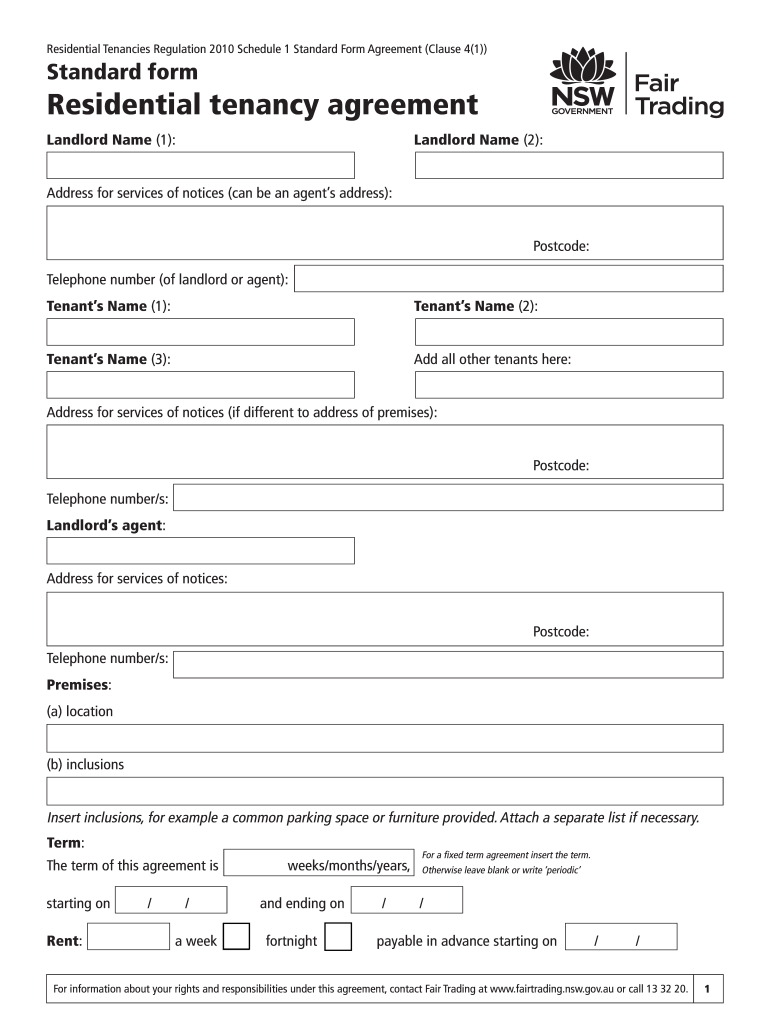
A private rental agreement template for New South Wales (NSW) serves as a vital document that outlines the terms between a landlord and a tenant regarding a rental property. This agreement establishes the rights and responsibilities of both parties and ensures compliance with local laws and regulations under the Residential Tenancies Act.
Key Components of a Private Rental Agreement Template
The template typically includes several essential sections that cover various aspects of the rental arrangement. The components are designed to provide clarity and protect both landlords and tenants.
- Rental Details: This section specifies the rental property's address, the duration of the lease, and the monthly rent. It may also include details regarding payment methods and when rent is due.
- Security Deposit: Often referred to as a bond, this part outlines the amount required, how it will be handled, and the circumstances under which it will be returned at the end of the tenancy.
- Rights and Responsibilities: This critical section details the obligations of both landlords and tenants. It covers maintenance responsibilities, rights to quiet enjoyment, and the process for handling urgent repairs.
- Termination Conditions: The template should outline the conditions under which either party can terminate the agreement, including notice periods and possible reasons for eviction.
Legal Requirements for Private Rental Agreements in NSW
Understanding the legal framework that governs private rental agreements in NSW is crucial. The Agreement must comply with the Residential Tenancies Act, which provides a baseline of rights and responsibilities.
- Written Agreement: While verbal agreements can occur, having a written agreement is essential for clarity and enforceability.
- Disclosure Statements: Landlords are required to provide tenants with certain disclosures, such as the property’s condition and any relevant laws affecting the rental.
- Form Updates: The template should incorporate any changes in the law, ensuring that both parties adhere to current regulations, specifically concerning the Residential Tenancies Regulation.
Creating and Modifying the Template
A private rental agreement template can be customized to suit specific rental arrangements. The process for creating and modifying the template entails several steps:
- Select a Base Template: Using a standard template as a foundation reduces the time needed to draft a new agreement.
- Personalize Details: Input relevant property and tenant information, modifying terms as necessary to meet specific needs.
- Seek Feedback: It is advisable for both parties to review the document for understanding and agreement on the terms.
- Consider Legal Review: For assurance of compliance, a legal expert may review the agreement before signing.
Practical Examples of Use
When utilizing a private rental agreement template, various scenarios can provide further clarity:
- Short-Term vs. Long-Term Rentals: A different template may be needed for short-term rentals, which may require specific clauses addressing temporary occupancy.
- Multiple Tenants: When renting to multiple tenants, each party's responsibilities should be explicitly defined in the agreement to avoid confusion.
Compliance and Best Practices
To ensure a smooth rental experience, adhering to legal standards and maintaining open communication with tenants is crucial:
- Keep Records: Maintain copies of any signed agreements and correspondence related to the rental.
- Regular Reviews: Periodically reassess your rental agreement in light of any legal modifications or changes in personal circumstances.
- Professional Assistance: Engage with real estate professionals or lawyers specializing in rental agreements to ensure your practices are compliant and up-to-date.
Understanding and implementing a private rental agreement template in NSW is essential for landlords and tenants alike. By adhering to the components, legal requirements, and best practices discussed, both parties can foster a mutually beneficial rental relationship. This ensures that the rights of both landlord and tenant are safeguarded throughout the rental period.