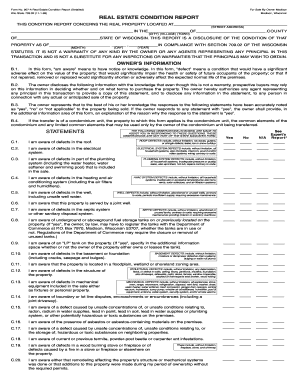
01. Edit your form online
Type text, add images, blackout confidential details, add comments, highlights and more.

Type text, add images, blackout confidential details, add comments, highlights and more.

Draw your signature, type it, upload its image, or use your mobile device as a signature pad.

Send it via email, link, or fax. You can also download it, export it or print it out.
The "Notice of Whistleblower Complaint Form (OSHA 8-60 1)" is an official document utilized by employees in the United States to report violations and unsafe conditions in their workplace to the Occupational Safety and Health Administration (OSHA). This form is integral to safeguarding whistleblower rights under various legal statutes. It aims to protect individuals who report non-compliance or hazardous conditions in their workplace from retaliatory actions by their employers. By filing this complaint, whistleblowers help ensure a safer work environment for themselves and their colleagues.
Before using the Notice of Whistleblower Complaint Form, gather detailed information regarding the incident or unsafe conditions experienced. This includes dates, locations, and descriptions of actions or conditions believed to be in violation of OSHA regulations. Once all necessary information is compiled, fill out the form completely, ensuring accuracy in every section. The form should detail personal information, employer details, and a precise account of the alleged violations. Always make sure to adhere to any instructions specific to required fields within the form to avoid processing delays.
When filing a Notice of Whistleblower Complaint, ensure that you have the following:
To file a Notice of Whistleblower Complaint with OSHA, ensure:


For the Notice of Whistleblower Complaint, the filing period is critical. Generally, complaints must be submitted within 180 days from the date of the alleged retaliatory action. However, certain statutes may dictate different timelines, so it's essential to verify the deadline applicable to specific circumstances. Timely filing is crucial to ensure that the complaint remains valid and actionable.
Submit the Notice of Whistleblower Complaint Form through a method convenient for you:
Using the Notice of Whistleblower Complaint Form appropriately is crucial. The form is used strictly for reporting workplace safety violations and retaliation under applicable OSHA regulations. It serves as a legal mechanism to initiate investigations into reported unsafe conditions and ensure compliance with federal safety standards. Misuse of the form for false claims can result in legal consequences, emphasizing the importance of honest and thorough reporting.
At DocHub, your data security is our priority. We follow HIPAA, SOC2, GDPR, and other standards, so you can work on your documents with confidence.