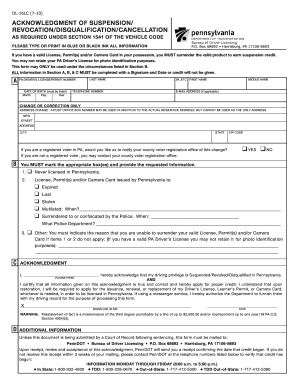
BEINDIGING VAN DE ARBEIDSOVEREENKOMST IN WEDERZIJDS AKKOORD - acerta 2026

Get Form
BEINDIGING VAN DE ARBEIDSOVEREENKOMST IN WEDERZIJDS AKKOORD - acerta Preview on Page 1

Here's how it works

01. Edit your form online
Type text, add images, blackout confidential details, add comments, highlights and more.

02. Sign it in a few clicks
Draw your signature, type it, upload its image, or use your mobile device as a signature pad.

03. Share your form with others
Send it via email, link, or fax. You can also download it, export it or print it out.

Definition & Meaning

The "Beëindiging van de Arbeidsovereenkomst in Wederzijds Akkoord - Acerta" is a mutual agreement used to terminate an employment contract between an employer and an employee. This document outlines the terms under which both parties agree to end the employment relationship without the need for formal legal proceedings. Key components might include the effective date of termination, agreement on outstanding financial obligations like wages and vacation pay, and a waiver of rights to future claims under labor laws.

Key Elements of the Form

  • Effective Date: Specifies the exact date on which the employment relationship will officially end.
  • Financial Settlements: Includes details on the payment of any outstanding wages and accrued vacation days. It may clarify that no year-end bonus is owed unless specified by a collective labor agreement.
  • Waiver of Rights: Both parties generally waive any rights to future claims under labor laws, ensuring no further liabilities or legal actions regarding the employment relationship.
  • Signature Requirement: Both employer and employee must sign the document, indicating that the terms have been mutually agreed upon.

How to Obtain the Form

Obtaining the termination form typically involves contacting a human resources department or consulting with a legal advisor specializing in employment law. Acerta, a known HR services provider, might offer templates or guidance on formulating this agreement to ensure compliance with labor regulations. It's crucial to verify that the form aligns with both parties' understanding and expectations before execution.

Steps to Complete the Form

  1. Negotiation: Begin with clear communication between the employer and employee to establish the terms of termination.
  2. Drafting: Use a standard template or create a tailored agreement outlining all necessary elements, including the termination date and any financial settlements.
  3. Review: Both parties should review the document, preferably with legal oversight, to ensure all terms are clear and legally binding.
  4. Signing: Once all terms are agreed upon, both the employer and employee must sign the document. This signature finalizes the termination.

Why Use a Mutual Termination Agreement

Using a mutual termination agreement has several advantages. It allows both parties to end the employment relationship amicably and without long legal disputes. It also provides clarity on financial settlements and waivers, reducing the risk of future claims. This method is less adversarial than a unilateral termination, preserving professional relationships.

Who Typically Uses This Form

This type of agreement is generally used by employers and employees who wish to part ways on agreeable terms. It's common in situations where the employment relationship is no longer beneficial for both parties, such as in cases of business restructuring, role redundancy, or when the employee wishes to pursue other opportunities.

Legal Use and Considerations

Legally, the "Beëindiging van de Arbeidsovereenkomst in Wederzijds Akkoord" must comply with relevant labor laws to be valid. It's essential for both parties to have a clear understanding of their rights and obligations under this agreement. The document should be reviewed by legal professionals to ensure that all clauses meet legal standards and protect both parties.

Examples of Using the Form

Consider a scenario where a company is downsizing due to market conditions. Instead of terminating employees unilaterally, management opts for mutual termination agreements to maintain goodwill. Another example is an employee who decides to start their own business and agrees with their employer on an amicable separation, documented through this form. These examples highlight the form's utility in facilitating smooth transitions.

be ready to get more

Complete this form in 5 minutes or less

Get form

Got questions?

We have answers to the most popular questions from our customers. If you can't find an answer to your question, please contact us.
Contact us
Principe. Bij de beindiging in onderling overleg dient er geen enkele vergoeding aan de werknemer betaald te worden. De werkgever en de werknemer kunnen evenwel altijd vrij overeenkomen dat er toch een zekere vergoeding wordt toegekend, waarvan het bedrag dan vrij bepaald wordt tussen de partijen.
Bij ontslag met wederzijds goedvinden heb je recht op een WW-uitkering als je voldoet aan de eisen. Je werkgever hoeft je ontslag niet aan te vragen bij de kantonrechter. Je krijgt bij ontslag in overleg gn wettelijke transitievergoeding, omdat je al een ontslagvergoeding hebt afgesproken.
Zonder handtekening tch een juridisch bindend contract? Jazeker! Een contract ontstaat niet door de handtekening maar door het aanbod en de aanvaarding ervan. En die aanvaarding kan op verschillende manieren plaatsvinden: mondeling, schriftelijk, of zelfs stilzwijgend doordat iemand aan de slag gaat.
Beindiging in onderling akkoord De werkgever en de werknemer kunnen in onderling akkoord, vrij en op elk ogenblik, een einde maken aan de arbeidsovereenkomst, en de voorwaarden van deze beindiging vastleggen, met of zonder vergoeding. Deze beindigingswijze vereist geen bijzondere formaliteiten.

Security and compliance

At DocHub, your data security is our priority. We follow HIPAA, SOC2, GDPR, and other standards, so you can work on your documents with confidence.
Learn more
ccpa2
pci-dss
gdpr-compliance
hipaa
soc-compliance