




01. Edit your form online
Type text, add images, blackout confidential details, add comments, highlights and more.

Type text, add images, blackout confidential details, add comments, highlights and more.

Draw your signature, type it, upload its image, or use your mobile device as a signature pad.

Send it via email, link, or fax. You can also download it, export it or print it out.
Building Regulations compliance refers to adhering to the laws and standards set to ensure the safety, health, and environmental efficiency of buildings. This compliance is crucial for structural integrity, fire safety, heating efficiency, ventilation, and more. Regulations vary by state and often align with specific codes, such as the International Building Code (IBC) in the U.S. Ensuring compliance means all construction and renovation work meets the minimum requirements, reducing risks and liability.
A Building Regulations compliance checklist is an indispensable tool for contractors, inspectors, and homeowners. It guides users in verifying that all construction aspects meet regulatory standards. This checklist typically includes items like verifying material quality, checking installation procedures, and ensuring that safety measures are in place.
Obtaining a Building Regulations compliance certificate typically involves a series of inspections and approvals. This document officially verifies that a building conforms to all applicable regulations.
Ensuring compliance with Building Regulations is fundamental for several reasons, including safety, legality, and financial prudence. Non-compliance can lead to serious consequences like legal actions, fines, and increased liability insurance costs.
Building Regulations compliance documentation is utilized by various stakeholders within the construction and property sectors. This documentation plays a pivotal role in the successful planning, execution, and oversight of building projects.
Understanding key terminology is vital for navigating Building Regulations. These terms often appear in guidelines and compliance checklists.
Building Regulations compliance certificates serve as legal proof that a building adheres to safety and health standards. These certificates are critical for real estate transactions and liability management.
A Building Regulations compliance form typically encompasses several critical sections that detail the evaluation process, compliance checks, and inspector comments.
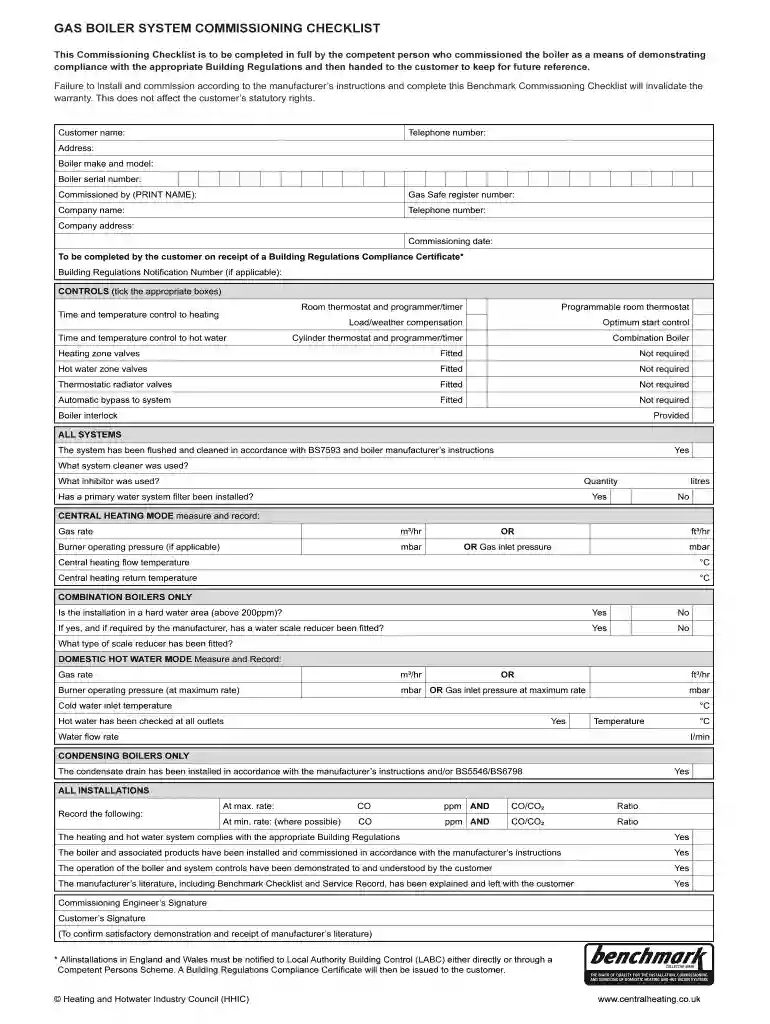
We've got more versions of the compliance with the appropriate Building Regulations and then handed to the customer to keep for fut form. Select the right compliance with the appropriate Building Regulations and then handed to the customer to keep for fut version from the list and start editing it straight away!
At DocHub, your data security is our priority. We follow HIPAA, SOC2, GDPR, and other standards, so you can work on your documents with confidence.
Nov 14, 2019 The distributed RPC framework makes it easy to run functions remotely, supports referencing remote objects without copying the real data around,
The approved design review agency shall evaluate the building system and compliance assurance program documentation to determine compliance with the standards.


