
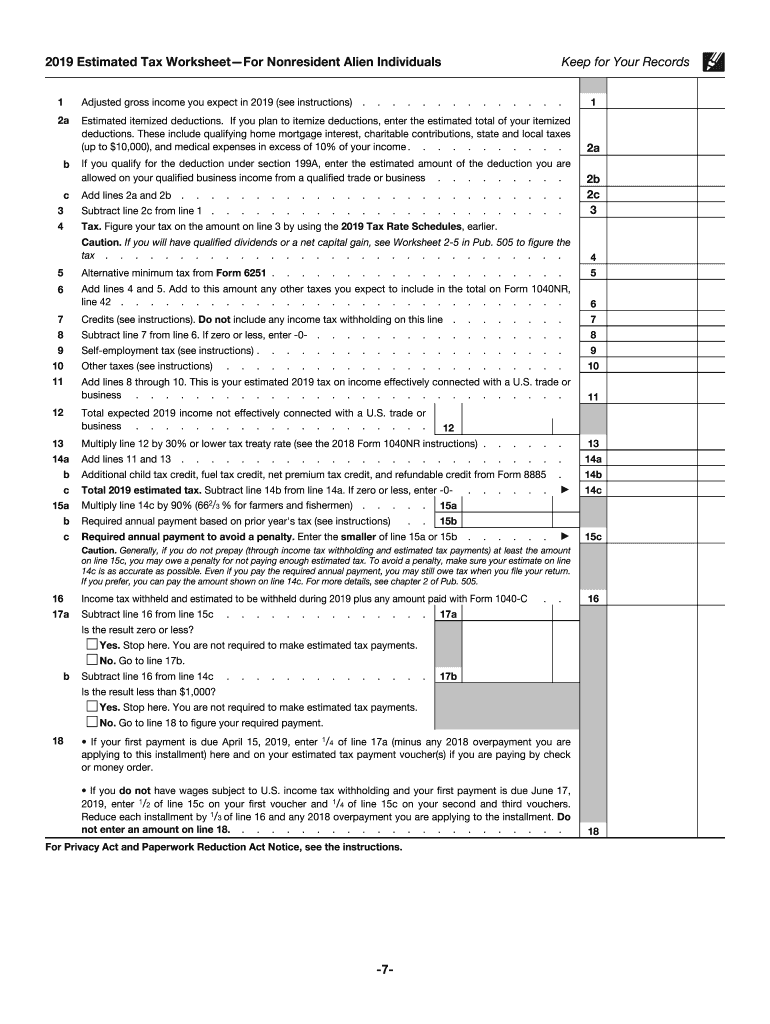







Understanding 2019 Estimated Tax Forms
The 2019 estimated tax forms are essential documents for individuals and businesses that need to prepay a portion of their federal taxes. This ensures that taxpayers are not faced with a large tax liability at the end of the year. The IRS requires the use of estimated tax payments typically for income not subject to withholding, such as self-employment earnings, rental income, dividends, or capital gains. Proper use of these forms helps taxpayers manage their finances by spreading tax payments evenly throughout the year.
Obtaining the 2019 Estimated Tax Forms
Acquiring the 2019 estimated tax forms can be done through various channels. They are available directly from the IRS website, where taxpayers can download and print them. Additionally, taxpayers may request a mailed copy by contacting the IRS. Some online tax preparation software also include the forms for convenience. It’s essential to ensure that you are using the correct year’s form to avoid miscalculations in tax payments.
Steps to Complete the 2019 Estimated Tax Forms
- Calculate Your Expected Income: Start by estimating your income for the year, considering all sources.
- Determine Taxable Income: Subtract any allowable deductions from your total income to find your taxable income.
- Apply the Appropriate Tax Rate: Use the 2019 tax rate schedules provided by the IRS to calculate your estimated taxes.
- Subtract Available Credits: Reduce your tax liability by any credits you are eligible for.
- Split Payments: Divide the total estimated tax liability by four to determine your quarterly payment amounts.
Completing these steps ensures that you are on track with your tax payments and in compliance with IRS regulations.
Key Elements of the 2019 Estimated Tax Forms
The 2019 estimated tax forms contain several critical components that taxpayers must understand:
- Estimated Tax Worksheet: Assists in calculating the required estimated payments.
- Payment Vouchers: Provided to submit each installment payment.
- Instructions for Use: Offers guidelines on completing the forms accurately.
- Amending Payments: Information on how to adjust payments if income estimates change.
Filing Deadlines and Important Dates
Maintaining awareness of the filing deadlines for estimated tax payments is crucial. For the 2019 tax year, the IRS required quarterly payments to be made by the following dates:
- First Quarter: April 15, 2019
- Second Quarter: June 17, 2019
- Third Quarter: September 16, 2019
- Fourth Quarter: January 15, 2020
Missing these deadlines can result in penalties and interest charges, so timely payment is important.
Who Typically Uses the 2019 Estimated Tax Forms
Estimated tax forms are generally used by:
- Self-Employed Individuals: Without employer withholding.
- Retirees: Who receive income from pensions or investments.
- Landlords: With significant rental income.
- Investors: Who earn considerable dividends or capital gains.
Understanding who needs to file helps taxpayers comply with legal obligations and manage their finances effectively.


IRS Guidelines for Estimated Tax Payments
The IRS provides guidelines on when and how much estimated tax should be paid, based on the following criteria:
- Safe Harbor Rule: To avoid penalties, taxpayers should pay at least 90% of their current year's tax liability or 100% of their previous year's tax liability.
- Payment Methods: Taxes can be paid through IRS Direct Pay, EFTPS, credit or debit card, or paper check along with a payment voucher.
Adhering to these guidelines helps in preventing underpayment penalties and ensures compliance with federal tax laws.
Penalties for Non-Compliance
Failing to make required estimated tax payments can lead to penalties, which the IRS calculates based on the amount underpaid and the duration of the underpayment. Taxpayers can request a waiver of penalties in certain circumstances, such as if the underpayment occurred due to a casualty, disaster, or other unusual circumstances. It’s vital to not only make timely payments but also to accurately calculate the amount owed to avoid these financial consequences.


