




01. Edit your 2014 tax forms online online
Type text, add images, blackout confidential details, add comments, highlights and more.

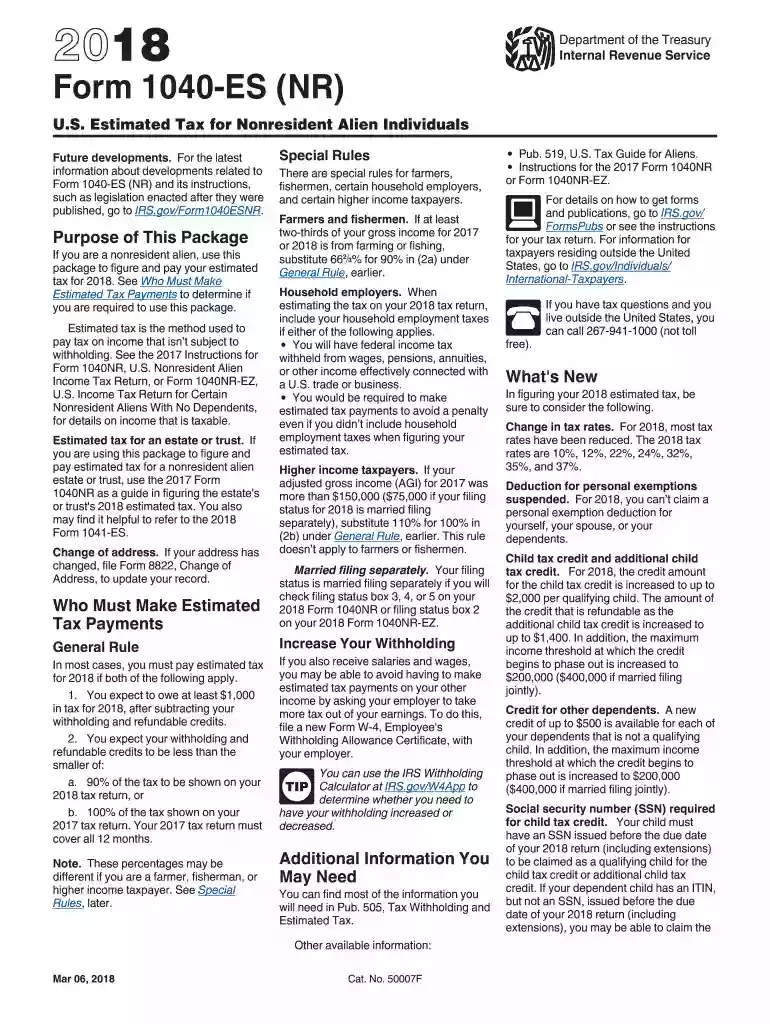
Type text, add images, blackout confidential details, add comments, highlights and more.

Draw your signature, type it, upload its image, or use your mobile device as a signature pad.

Send 2018 estimated tax forms via email, link, or fax. You can also download it, export it or print it out.
The IRS government tax form for 2014 refers to the standardized documents issued by the Internal Revenue Service (IRS) used to report financial information to the United States federal government for the 2014 tax year. These forms facilitate the process of calculating and reporting taxes owed or refunds due. The forms are essential for both individuals and businesses and capture data such as income, deductions, credits, and other relevant financial information for the accurate calculation of tax liabilities.


By comprehensively understanding and effectively using the "IRS Gov Tax Form 2014," taxpayers can ensure efficient tax filing, helping to maintain compliance and avoid unnecessary legal issues or financial penalties.
We've got more versions of the 2014 tax forms online form. Select the right 2014 tax forms online version from the list and start editing it straight away!
| Versions | Form popularity | Fillable & printable |
|---|---|---|
| 2025 | 4.5 Satisfied (37 Votes) | |
| 2024 | 4.5 Satisfied (52 Votes) | |
| 2023 | 4.1 Satisfied (52 Votes) | |
| 2022 | 4.4 Satisfied (27 Votes) | |
| 2021 | 4.8 Satisfied (131 Votes) | |
| 2020 | 4.3 Satisfied (129 Votes) | |
| 2019 | 4.4 Satisfied (151 Votes) | |
| 2018 | 4.3 Satisfied (156 Votes) | |
| 2017 | 4 Satisfied (40 Votes) | |
| 2016 | 4.3 Satisfied (54 Votes) | |
| 2015 | 4 Satisfied (27 Votes) | |
| 2014 | 4 Satisfied (20 Votes) | |
| 2013 | 4 Satisfied (32 Votes) | |
| 2012 | 4 Satisfied (58 Votes) |
At DocHub, your data security is our priority. We follow HIPAA, SOC2, GDPR, and other standards, so you can work on your documents with confidence.
Part I. Taxpayer Identification Number (TIN). Enter your TIN in the appropriate box. The TIN provided must match the name given on line 1 to avoid.Read more
File this schedule with. Form 940. Place an X in the box of EVERY state in which you had to pay state unemployment tax this year. For each state with aRead more
U.S. Individual Income Tax Return 2014 OMB No. 1545-0074 IRS Use OnlyDo not write or staple in this space. For the year Jan. 1Dec. 31Read more


