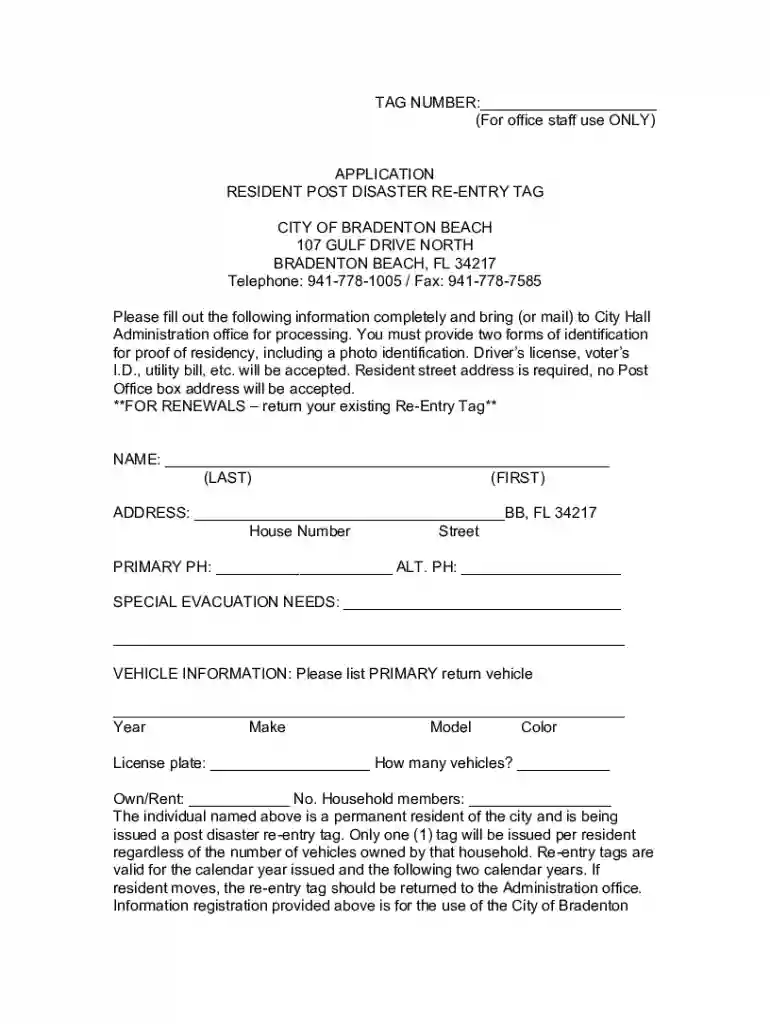
EVACUATION CODE NO: 2026

Get Form
EVACUATION CODE NO: Preview on Page 1

Here's how it works

01. Edit your form online
Type text, add images, blackout confidential details, add comments, highlights and more.

02. Sign it in a few clicks
Draw your signature, type it, upload its image, or use your mobile device as a signature pad.

03. Share your form with others
Send it via email, link, or fax. You can also download it, export it or print it out.

Definition & Meaning

An "Evacuation Code No" is a unique identifier used during emergencies to facilitate the orderly and prioritized evacuation of residents. This code often serves as a quick reference in disaster preparedness plans to ensure efficient coordination. It plays a critical role in emergency management by assigning categories based on geographic location or risk factors, thereby prioritizing evacuation processes. Understanding its significance can enhance preparedness and response during emergencies.

How to Use the EVACUATION CODE NO:

When an evacuation order is issued, knowing your Evacuation Code No becomes vital. Here is how you can use it effectively:

  • Evacuation Priority: The code indicates the priority level for residents to evacuate. Always check the code against the provided evacuation plans to determine your timeframe for departure.
  • Communication with Authorities: Use the code to identify your area or zone when communicating with local authorities or emergency services to receive specific instructions.
  • Family Coordination: Share the code with family members who may be in separate locations to ensure consistency in the evacuation process.

How to Obtain the EVACUATION CODE NO:

Securing your Evacuation Code No is essential for participating effectively in disaster response plans. Here are steps to obtain the code:

  1. Contact Local Authorities: Reach out to your local city or county emergency management office. They typically distribute evacuation codes.
  2. Online Portals: Some regions provide digital access through official government websites where residents can sign up and download their evacuation codes.
  3. Community Meetings: Attend public safety meetings held by local authorities where evacuation information and codes are shared.

Steps to Complete the EVACUATION CODE NO:

Here is a step-by-step guide for effectively utilizing the Evacuation Code No:

  1. Identification: Locate your code on official communication or through local government websites.
  2. Acknowledge: Understand what the code represents concerning evacuation timing and priority.
  3. Prepare Accordingly: Use the code to guide emergency preparations, ensuring all necessary items and documentation are ready.
  4. Communication Plan: Create a family or household communication plan using the code as a reference to keep everyone informed.

Who Typically Uses the EVACUATION CODE NO:

Different groups utilize the Evacuation Code No, ensuring efficient coordination during emergencies:


  • Residents: Local inhabitants use the code for timely evacuation based on priority.
  • Emergency Responders: First responders rely on the codes to navigate and assist evacuations more effectively.
  • Community Organizations: Non-profits and local groups use the codes to organize and deploy resources where they are most needed.
decoration image ratings of Dochub

Key Elements of the EVACUATION CODE NO:

Understanding the components of an Evacuation Code No can enhance its utility:

  • Zone Identifier: A crucial part of the code, indicating specific geographic areas.
  • Priority Level: Assigns an urgency to the evacuation process, marking high-risk areas.
  • Timeframe Indicators: Suggests when residents in particular zones should aim to evacuate to avoid congestion.

State-Specific Rules for the EVACUATION CODE NO:

Different states implement unique guidelines concerning evacuation codes:

  • Florida: Focuses on hurricane preparedness, using codes mapped to hurricane zones.
  • California: Utilizes codes primarily for wildfire evacuations with real-time updates on changes in evacuation status.
  • Texas: Codes often address flood and hurricane scenarios, with special considerations for low-lying regions.

Important Terms Related to EVACUATION CODE NO:

  • Evacuation Route: Predetermined paths residents should use during evacuation.
  • Emergency Management Office: The government body responsible for managing evacuation codes and plans.
  • Natural Disaster Zones: Areas identified by the evacuation code that are susceptible to natural disasters.

Examples of Using the EVACUATION CODE NO:

Practical examples illuminate how the Evacuation Code No functions during emergencies:

  • Hurricane Evacuations: In coastal areas, residents with specific codes are instructed to leave before others to streamline traffic and resource allocation.
  • Wildfire Threats: Homeowners in fire-prone zones receive immediate alerts to evacuate using their designated codes to prioritize those in greatest danger.
  • Flood Evacuations: During floods, evacuation codes help prioritize high-risk areas for early evacuation, informing residents via text alerts and broadcasts.

Required Documents

For effective evacuation, residents should have specific documents ready, facilitated by their Evacuation Code No:

  • Identification Proof: Government-issued ID to confirm identity and residency within the evacuation zone.
  • Emergency Authorization: Any legal documents authorizing individuals to act on behalf of dependents during evacuation.
  • Medical Records: Prescriptions and medical histories that might be necessary when accessing emergency medical assistance.

By familiarizing yourself with these aspects of the "Evacuation Code No", preparedness and response efficacy during emergencies can be greatly enhanced, illustrating the necessity of understanding and utilizing this important tool.

be ready to get more

Complete this form in 5 minutes or less

Get form

Got questions?

We have answers to the most popular questions from our customers. If you can't find an answer to your question, please contact us.
Contact us
Evacuation immediate (SAME code: EVI) is a warning issued through the Emergency Alert System (EAS) in the United States to notify the public of a mandatory evacuation due to a wildfire, approaching hurricane, or an imminent explosion due to a gas leak.
Grab these 6 Ps People and pets. Papers, phone numbers, important documents. Prescriptions, vitamins, and eyeglasses. Pictures and irreplaceable memorabilia. Personal computer hard drive and disk. Plastic (credit/debit cards) and cash.
If you are not in any of the zones or structures asked to evacuate, you may stay at home if you feel safe doing so.
Be sure to remember the Five Ps of Evacuation: People, Prescriptions, Papers, Personal Needs, and Priceless Items. - While your safety and your familys safety are most important, there are things you can do before evacuating that can help firefighters.
Disasters + Preparedness Arrange your evacuation ahead of time. Plan what to take. Create a home inventory. Gather important documents. Real-time test.

Security and compliance

At DocHub, your data security is our priority. We follow HIPAA, SOC2, GDPR, and other standards, so you can work on your documents with confidence.


Learn more
ccpa2
pci-dss
gdpr-compliance
hipaa
soc-compliance

People also ask

If immediate evacuation is required, keep the six Ps ready: People and pets. Papers, phone numbers, and important documents. Prescriptions, vitamins, and eyeglasses.

Related links