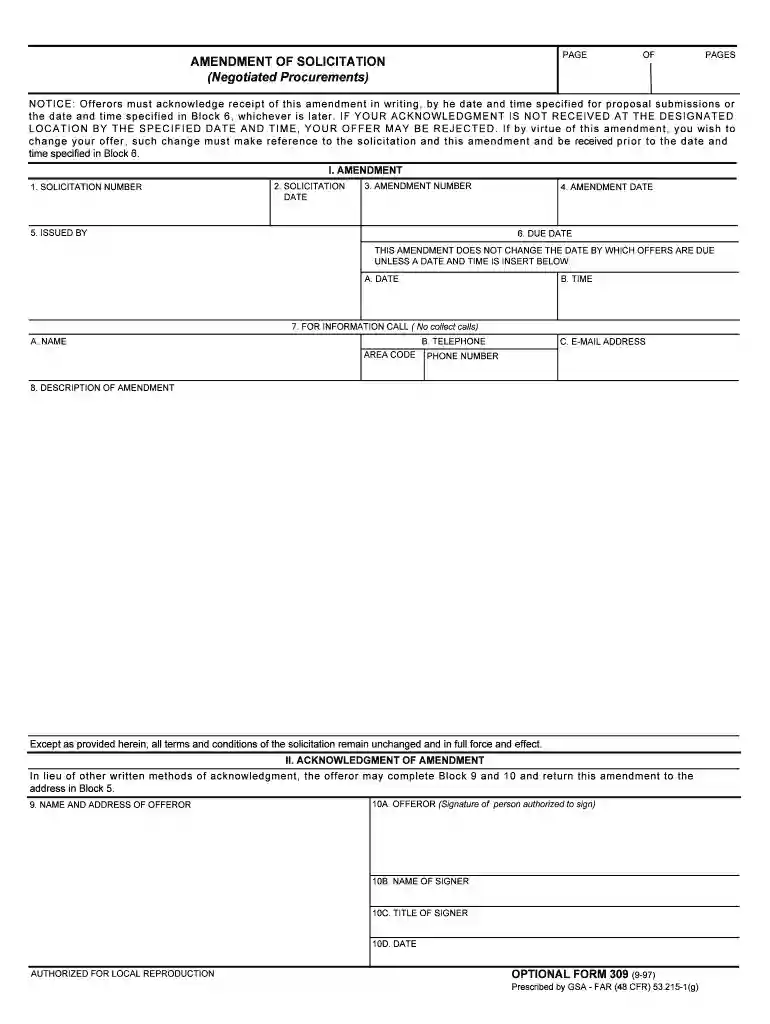
The date and time specified in Block 6, whichever is later 2026

Get Form
the date and time specified in Block 6, whichever is later Preview on Page 1

Here's how it works

01. Edit your form online
Type text, add images, blackout confidential details, add comments, highlights and more.

02. Sign it in a few clicks
Draw your signature, type it, upload its image, or use your mobile device as a signature pad.

03. Share your form with others
Send it via email, link, or fax. You can also download it, export it or print it out.

Definition and Meaning of "The Date and Time Specified in Block 6, Whichever Is Later"

In the realm of legal and contractual documents, the phrase "the date and time specified in Block 6, whichever is later" typically serves to clarify the effective timing of a particular event or condition. This phrase is frequently used in contracts, procurement forms, and other legal documents to specify that an action should be based on the later of two potential dates. It helps eliminate ambiguity, ensuring that parties involved are clear about which timeline to follow. For instance, if a payment is due based on a specific event occurring by the specified date, using this phrase ensures that the payment is calculated according to the latest relevant date, preventing premature or invalid actions.

How to Use "The Date and Time Specified in Block 6, Whichever Is Later"

When using this phrase in a document, it's important to identify the role it plays in the context. Typically, it acts as a conditional marker for actions or deadlines linked to certain conditions. To apply this effectively:

  1. Locate Block 6: First, identify Block 6 in the document. This block should contain pertinent information about dates or events that are critical to the contract or agreement.
  2. Determine Context: Understand the nature of the event or deadline associated with Block 6. This could be contingent on circumstances like receiving goods, completing a service, or fulfilling a condition.
  3. Compare Dates: Analyze if there's another date mentioned within the document or through related correspondence. Compare this with the date in Block 6 to determine which is later.
  4. Follow-through: Execute actions or decisions based on this later date, ensuring compliance with the terms outlined.

In practice, this clause is essential for ensuring that deadlines remain flexible yet precise, accommodating unforeseen delays by clearly stipulating that the last happening date is the one to use.

Steps to Complete the Form with "The Date and Time Specified in Block 6, Whichever Is Later"

Completing a form involving this phrase requires adherence to specific steps to ensure accuracy:

  1. Gather Necessary Documents: Collect all initial documents that specify dates or timeframes relevant to the form or agreement.
  2. Annotate Block 6 Details: Record or verify the details in Block 6 of the form, ensuring all information aligns with the contractual terms.
  3. Identify Additional Dates: Search for other critical dates or events linked to the same condition within the document.
  4. Evaluate Conditions: Establish any conditions that might affect the timing, such as dependencies or prerequisites tied to the specified dates.
  5. Consult Relevant Parties: If needed, communicate with contractual partners to verify or clarify which date should be treated as the reference point.
  6. Submit Form: Once the necessary date is identified, finalize the form submission with accurate dates and supporting information to affirm compliance.

This systematic approach guarantees that all aspects concerning timing align with the document's terms, reducing potential conflicts or misunderstandings.

Important Terms Related to "The Date and Time Specified in Block 6, Whichever Is Later"

Understanding associated terminology is crucial:

  • Effective Date: The day when the terms of a contract or agreement become operative.
  • Contingency Date: A date dependent on achieving preliminary conditions or milestones.
  • Latest Date: The most recent date between two or more specified dates for an action to commence.
  • Compliance Deadline: A strategic point in time when all contractual obligations should be met, based on the later specified dates.

Each term plays a significant role in interpreting and applying the primary keyword within the document, ensuring that all stakeholders have a clear understanding of their obligations.

Key Elements of the Form Featuring "The Date and Time Specified in Block 6, Whichever Is Later"

Key elements to focus on include:

  • Block Identification: Clear identification of Block 6 and any related blocks that influence timing.
  • Event Dependencies: Sections outlining conditions that should be met by a certain date, which impacts the phrase's application.
  • Terms & Conditions: Detailed explanation of terms related to timing, emphasizing the importance of timing in the execution and operation of agreements.
  • Amendment Clauses: Areas of the document where changes could be introduced to dates, altering the later date criteria.

These components ensure that everyone involved fully comprehends the document's intent and operates accordingly.

Legal Use of "The Date and Time Specified in Block 6, Whichever Is Later"

This phrase holds legal significance by offering a mechanism to determine critical processes within a contract or legal document:

  • Avoids Ambiguity: Establishes clarity for timelines when more than one date potentially governs actions.
  • Flexibility in Enforcement: Provides the flexibility needed to adjust timelines based on real-world occurrences.
  • Legal Precedent: Often backed by legal precedent ensuring that the selection of the later time adheres to equitable resolutions in contractual disputes.
  • Enforceability: The term is generally recognized in legal settings, ensuring actions guided by it are enforceable under the conditions specified.

Through these aspects, utilizing the phrase ensures compliance with legal frameworks and effective management of contractual obligations.

Examples of Using "The Date and Time Specified in Block 6, Whichever Is Later"

Practical examples illustrate this phrase's utility:

  • Procurement Contracts: In supply chain agreements, payments are often due based on either the delivery date or a predetermined date; the later date ensures flexibility and fairness.
  • Software Deliverables: In technology contracts, a project's completion might be contingent on the finalization of a module or the end of a sprints schedule. Here, the later date ensures incorporation of all features.
  • Real Estate Transactions: Closing dates may rely on either the receipt of funds or the signing of documents. The later date criterion avoids premature closures.

These examples demonstrate the importance of choosing the correct operational timeline approach across various industries and contractual scenarios.

be ready to get more

Complete this form in 5 minutes or less

Get form

Security and compliance

At DocHub, your data security is our priority. We follow HIPAA, SOC2, GDPR, and other standards, so you can work on your documents with confidence.

Learn more
ccpa2
pci-dss
gdpr-compliance
hipaa
soc-compliance
be ready to get more

Complete this form in 5 minutes or less

Get form