




01. Edit your form online
Type text, add images, blackout confidential details, add comments, highlights and more.

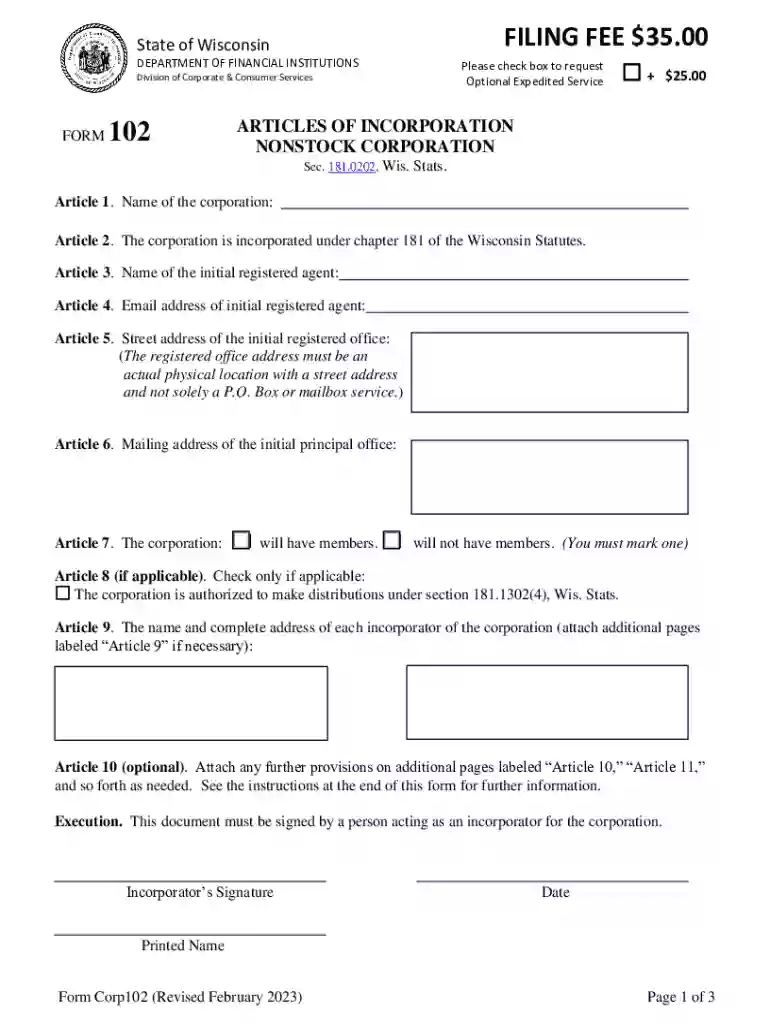
Type text, add images, blackout confidential details, add comments, highlights and more.

Draw your signature, type it, upload its image, or use your mobile device as a signature pad.

Send it via email, link, or fax. You can also download it, export it or print it out.
The document titled "(PDF) Learning with Games: An Analysis of Social Studies" serves as a comprehensive analysis tool that merges the educational dynamics of gaming with social studies learning. It examines how the use of games can enhance educational outcomes in social studies. This form likely outlines methodologies, frameworks, and case studies that illustrate the integration of gaming in a learning environment and its impact on student engagement and retention of social studies concepts.
To effectively utilize this PDF, start by understanding its purpose within your educational framework. Identify the sections relevant to your curriculum needs. Use it to design lesson plans incorporating game-based learning strategies. Educators can benefit from practical examples and suggested approaches for integrating games into their teaching methods. It is also useful for researchers studying the pedagogical impacts of game-based learning.
This document includes several critical components essential for understanding its full scope and potential applications in education:
Specific instances of how the PDF can be applied include:
Completing or utilizing the PDF effectively involves a systematic approach:
The primary users of this document include:


Understanding key terminology is crucial for navigating this PDF effectively:
This document is designed for educational purposes and should be used in compliance with intellectual property laws. It is important to:
We've got more versions of the (PDF) Learning with Games: An Analysis of Social Studies form. Select the right (PDF) Learning with Games: An Analysis of Social Studies version from the list and start editing it straight away!
At DocHub, your data security is our priority. We follow HIPAA, SOC2, GDPR, and other standards, so you can work on your documents with confidence.
Education was a central component of our iGEM project, not as an additional aspect, but as the foundation of our social responsibility.Read more
by B Karaman 2022 Cited by 20 ABSTRACT. The games that have existed from the day of humanity to the present have been known to have an important effect on the development of children.Read more
by A Musselman 2018 Cited by 5 This study addresses the question: what are public high school students perceptions of mobile media in a social studies classroom? Of particular interest inRead more


