




01. Edit your form online
Type text, add images, blackout confidential details, add comments, highlights and more.

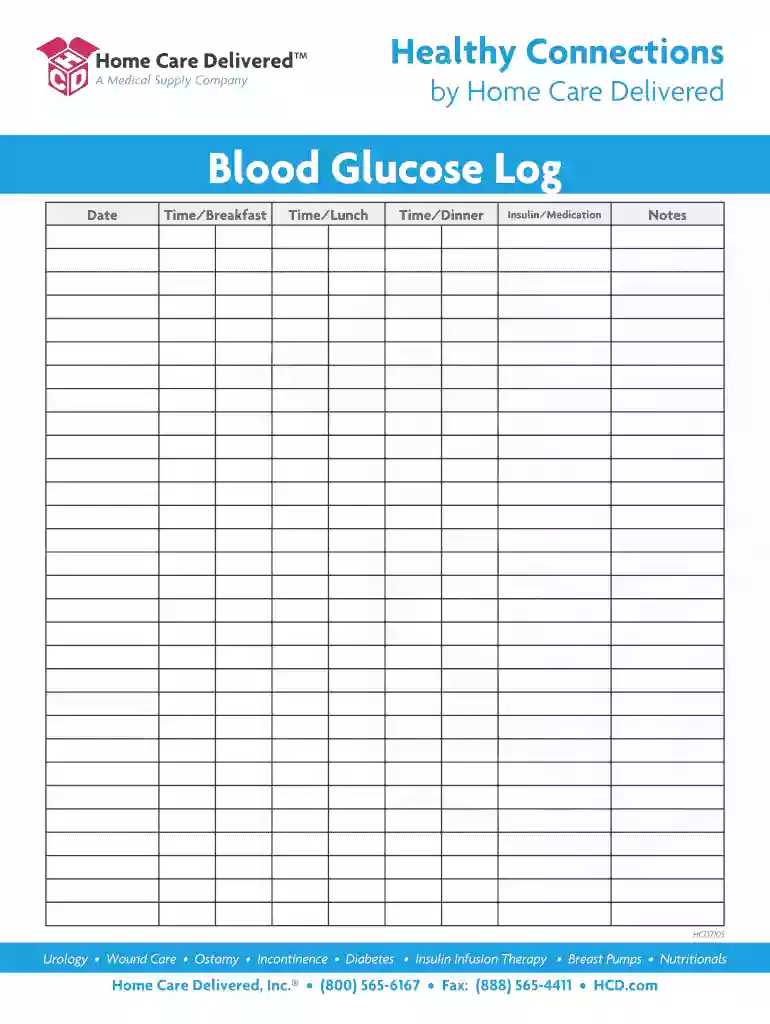
Type text, add images, blackout confidential details, add comments, highlights and more.

Draw your signature, type it, upload its image, or use your mobile device as a signature pad.

Send it via email, link, or fax. You can also download it, export it or print it out.
The term "Home Care Delivered" refers to providing medical supply services directly to individuals in their homes. This approach typically involves supplying essential medical equipment and supplies necessary for daily care and medical needs. Home Care Delivered services are designed to improve the accessibility of healthcare resources, ensuring that patients receive the necessary products promptly without needing to visit a physical store.
Using Home Care Delivered services involves several key steps to ensure the correct supplies are ordered and delivered:
Consider a patient who requires urological supplies due to a recent surgery. The patient can use Home Care Delivered services to regularly receive these supplies, minimizing stress and ensuring continuous care.
Understanding the fundamental components of Home Care Delivered services is essential to optimize their use and benefits:
Home Care Delivered services cater to a diverse clientele needing consistent supply deliveries to maintain health and wellness:
A retired veteran with limited mobility uses Home Care Delivered services to receive monthly deliveries of diabetic supplies and compression stockings, enhancing his independence and quality of life.
State regulations can impact how Home Care Delivered services operate, especially regarding insurance coverage and eligibility criteria:
In California, Medicaid offers broader coverage for in-home services than in Texas, affecting the delivery and accessibility of Home Care Delivered services.
Compliance with health regulations and proper documentation is crucial when utilizing Home Care Delivered services:
The digital ordering process for Home Care Delivered services provides several advantages over traditional paper-based methods:
A digital order can be quickly modified or canceled, while canceling a paper-based order might involve more complex communication and delays.
Failing to comply with the requirements of Home Care Delivered services can result in specific penalties, which may vary by state and provider:
We've got more versions of the Home Care Delivered form. Select the right Home Care Delivered version from the list and start editing it straight away!
At DocHub, your data security is our priority. We follow HIPAA, SOC2, GDPR, and other standards, so you can work on your documents with confidence.
We bring hospital-level treatment to patients in the comfort of homedelivering compassionate care with quick access to support when its needed most.
Buurtzorg Nederland is a Dutch homecare company that is internationally renowned for its innovative use of independent and self-guided nurse teams whoRead more
HOME CARE DELIVERED, INC. Phone: 8476091174 Mailing Address 7229. RICHMOND, VA 23226-3765 United States Phone: 804-200-7348 | Fax:866-498-7627. Phone: 800-565-


