Implementing the New Optometry Services Agreement 2026

Get Form
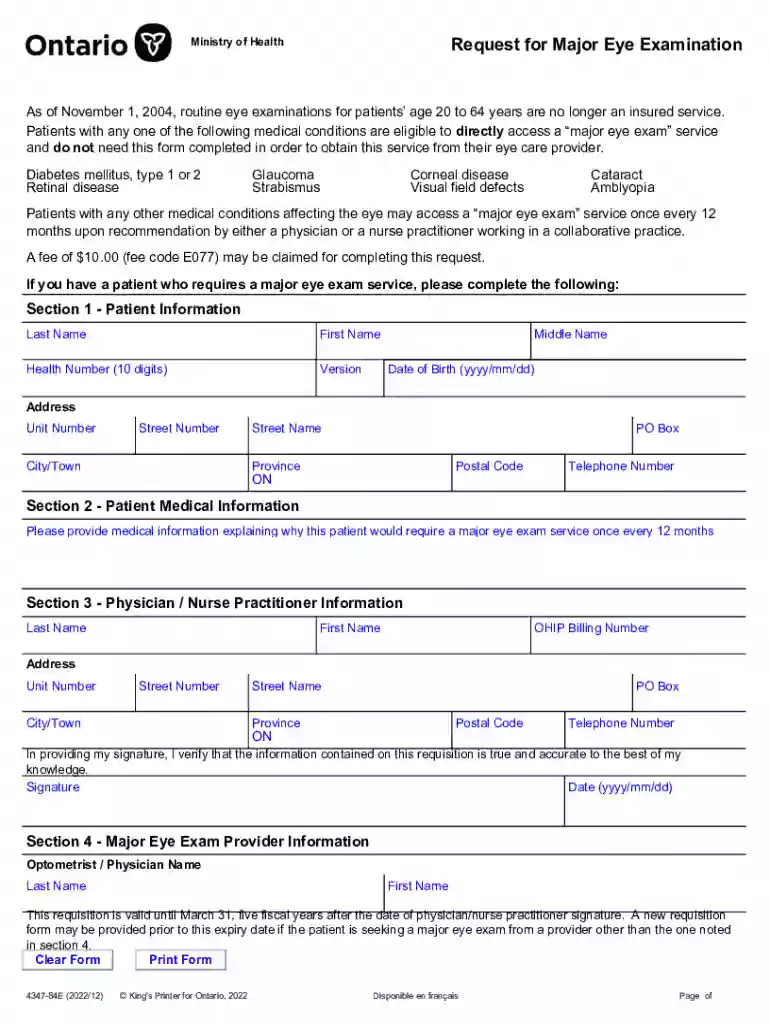
Implementing the New Optometry Services Agreement Preview on Page 1

Here's how it works

01. Edit your form online
Type text, add images, blackout confidential details, add comments, highlights and more.

02. Sign it in a few clicks
Draw your signature, type it, upload its image, or use your mobile device as a signature pad.

03. Share your form with others
Send it via email, link, or fax. You can also download it, export it or print it out.

Definition and Purpose of the New Optometry Services Agreement

The New Optometry Services Agreement is a formal arrangement outlining the terms and conditions for delivering optometry services. It serves as a contractual framework between optometry service providers and relevant insurance bodies or health organizations. This agreement specifies the nature of services offered, fee structures, compliance requirements, and the obligations of both parties. The primary objective is to streamline service delivery, ensure consistent care to patients, and establish a clear understanding of billing and reimbursement protocols. Optometrists, healthcare providers, and insurance entities engage in this agreement to facilitate seamless provision and management of eye care services.

How to Use the New Optometry Services Agreement

Utilizing the New Optometry Services Agreement requires careful consideration of its stipulations and compliance requirements. Below are key steps to guide its use:

  1. Review Agreement Terms: Carefully examine all sections of the agreement to understand service provision requirements and financial stipulations.
  2. Identify Required Services: Determine which optometry services are covered under the agreement and any limitations or exclusions.
  3. Ensure Compliance: Adhere to specified guidelines regarding service delivery standards, documentation, and reporting protocols.
  4. Billing and Reimbursement: Familiarize yourself with fee schedules and reimbursement processes to ensure accurate billing.
  5. Adopt Best Practices: Implement standardized procedures as outlined in the agreement to maintain compliance and quality care delivery.

Obtaining the New Optometry Services Agreement

Securing the New Optometry Services Agreement involves collaboration with relevant health organizations or insurance entities. Follow these steps to obtain the agreement:

  1. Contact Insurance Providers: Reach out to insurance companies or healthcare organizations that offer optometry services agreements.
  2. Submit Required Documentation: Provide necessary credentials and proof of eligibility to enter into a contractual relationship.
  3. Negotiate Terms: Discuss and negotiate terms of service delivery, fees, and compliance standards with the contracting body.
  4. Review and Sign: Once terms are agreed upon, review the final draft thoroughly before signing to ensure all aspects align with your practice's capabilities.
  5. Implementation: Begin integrating the terms of the agreement into your service offerings, ensuring all staff are aware of new protocols.

Steps to Complete the New Optometry Services Agreement

Finalizing the New Optometry Services Agreement entails a series of deliberative steps to ensure completeness and alignment with intended service goals. A detailed breakdown is as follows:

  1. Document Collection: Gather all necessary documents including licenses, certifications, and practice credentials.
  2. Agreement Drafting: Collaborate with the issuing body to create a draft that encapsulates required services and compliance markers.
  3. Internal Review: Conduct an internal assessment of the draft to prioritize coverage areas, assess service feasibility, and identify potential concerns.
  4. External Negotiations: Engage in discussions with the issuer to clarify terms, address any ambiguities, and finalize financial arrangements.
  5. Final Approval: Obtain approval from relevant stakeholders within your practice or organization.
  6. Signature and Submission: Sign the finalized agreement and submit it to the issuer for reciprocal execution.
  7. Record Keeping: Maintain comprehensive records of the signed agreement for compliance verification and future reference.

Importance of Implementing the New Optometry Services Agreement

Implementing the New Optometry Services Agreement brings numerous advantages to optometry service providers:

  • Consistency in Service Delivery: Establishes uniform guidelines for delivering high-quality eye care services.
  • Financial Clarity: Provides clear billing and reimbursement processes, reducing financial ambiguities.
  • Enhanced Patient Care: Promotes structured service offerings that align with patients' needs and insurance protocols.
  • Legal Compliance: Ensures adherence to relevant legal and regulatory frameworks.
  • Reputation Building: Strengthens trust with patients and insurer partners through reliable and standardized service provision.

Legal Use and Compliance with the Agreement

Legal compliance with the New Optometry Services Agreement is critical to its successful implementation:

  • Understand Legal Obligations: Comprehend the statutory and contractual obligations detailed within the agreement.
  • Adhere to Reporting Standards: Follow documentation and reporting criteria to fulfil legal and contractual obligations.
  • Confidentiality and Data Protection: Ensure all patient data and service-related information are handled with utmost confidentiality.
  • Regular Audits: Conduct regular compliance audits to identify and rectify any legal or procedural discrepancies.
  • Seek Legal Counsel: Consider consulting a legal expert to interpret complex agreement clauses and safeguard against contractual breaches.

Key Elements of the Agreement

The New Optometry Services Agreement is comprised of several key elements critical to its functioning:

  • Service Specifications: Detailed description of services the provider agrees to deliver.
  • Payment Terms: Clear articulation of fee structures, payment processes, and timelines for financial transactions.
  • Quality Assurance: Guidelines to ensure the quality of optometry services is maintained consistently.
  • Dispute Resolution: Mechanisms for handling disagreements or conflicts that may arise under the agreement.
  • Termination Clauses: Conditions under which the agreement may be ceased by either party.

State-Specific Variations in Optometry Agreements

Variations in the New Optometry Services Agreement can occur based on state regulations:

  • State Regulations: Different states may impose unique rules regarding licensure and service provision.
  • Insurance Coverage: Variation in insurance coverage policies and reimbursement rates across states.
  • Legal Requirements: State-specific legal requirements may impact documentation, reporting, and confidentiality protocols.
  • Cultural Considerations: Regional health service delivery customs and patient demographics can influence agreement stipulations.

Understanding these variations is crucial for service providers to tailor their offerings in alignment with local regulations and expectations.

be ready to get more

Complete this form in 5 minutes or less

Get form

Got questions?

We have answers to the most popular questions from our customers. If you can't find an answer to your question, please contact us.
Contact us
The top paying industry for an Optometry Resident in United States is Government Public Administration with a median total pay of $67,573.
High Paying Optical Jobs General Ophthalmologist. Salary range: $348,000-$400,000 per year. Glaucoma Specialist. Salary range: $365,500-$397,000 per year. Refractive Surgeon. Salary range: $41,500-$350,000 per year. Ophthalmologist. Pediatric Ophthalmologist. Optical Engineer. Optical Design Engineer. Optometrist.
The 22,900 optometry practices in the US are the main providers of vision care. About 55% of optometrist revenue comes from fees for patient care, which includes exams and treatment for problems. The sale of eyeglasses and contact lenses, known as dispensing revenue, accounts for over 40% of overall revenue.
Lets set the record straightAI in optometry isnt about replacement. Its about enhancement. While smart tools can analyze images or streamline your front desk, they cant replicate your empathy, earn patient trust, or make nuanced clinical decisions.

Security and compliance

At DocHub, your data security is our priority. We follow HIPAA, SOC2, GDPR, and other standards, so you can work on your documents with confidence.

Learn more
ccpa2
pci-dss
gdpr-compliance
hipaa
soc-compliance