





Key Elements of the Bulk Sample Chain of Custody Form
The Bulk Sample Chain of Custody Form is essential for accurately documenting the passage of samples through the various stages from collection to analysis. Key elements of this form include:
- Client Information: Details like the client's name, contact information, and organization are crucial for identifying and communicating with the party submitting the samples.
- Project Details: This section provides details on the project or study for which the samples are being submitted, such as project name, reference number, and objectives.
- Sample Descriptions: Each sample must be described thoroughly. This involves providing information such as sample ID, type, source location, and any specific handling instructions.
- Requested Analysis Turnaround Times: This critical block outlines the expected timeline for sample analysis, ensuring proper scheduling and prioritization during processing.
Steps to Complete the Bulk Sample Chain of Custody Form
Accurate completion of the Bulk Sample Chain of Custody Form is vital to ensure the quality and integrity of the sample analysis process. Follow these steps:
- Gather Required Information: Before starting the form, collect all necessary details about the samples, including descriptions, quantities, and intended analyses.
- Fill in Client Information: Begin by entering the client’s name, contact details, and organization to tie the form to the responsible party.
- Include Project Details: Provide context about the project by documenting its name, reference number, and any other pertinent information.
- Describe Each Sample: Use the sample descriptions section to enter detailed information about each sample. This includes the sample ID, type, source, and any special instructions for handling or storage.
- Specify Analysis Turnaround Times: Clearly outline the desired timeline for receiving analysis results to manage expectations and facilitate planning.
Who Typically Uses the Bulk Sample Chain of Custody Form
The form is primarily used by professionals and organizations involved in sample collection and analysis. Typical users include:
- Environmental Scientists and Engineers: These professionals use the form to document environmental sample collections for quality assurance and compliance purposes.
- Laboratory Technicians: Lab personnel rely on the form to track samples' custody and ensure the accuracy of test results.
- Healthcare and Pharmaceutical Researchers: These researchers use the form to manage biological sample submissions required for clinical trials or drug development studies.


Legal Use of the Bulk Sample Chain of Custody Form
Legally, the Bulk Sample Chain of Custody Form ensures compliance with regulatory and quality standards in several contexts:
- Admissibility in Legal Proceedings: Well-documented custody helps establish credibility when sample data is used as evidence in court.
- Regulatory Compliance: Organizations must comply with environmental and health regulations that dictate maintaining accurate sample custody records.
- Quality Assurance: The form supports ISO and other industry standards that require stringent documentation of sample handling processes.
Examples of Using the Bulk Sample Chain of Custody Form
Different scenarios illustrate the utility of the form in action:
- Environmental Monitoring: Companies conducting long-term environmental impact assessments use the form to track soil and water samples over extended periods.
- Clinical Trials: Pharmaceutical firms leverage the form to document the handling and transfer of samples in clinical investigations.
- Forensic Investigations: Law enforcement agencies utilize the chain of custody documentation to maintain the integrity of forensic evidence from collection to courtroom presentation.
Software Compatibility
DocHub optimizes filling out and managing the Bulk Sample Chain of Custody Form through its robust software features:
- Compatibility with Various Formats: Import and manage forms in PDF, DOC, XLS, and more.
- Integration with Google Workspace: Streamline document edits and collaboration by seamlessly importing documents from Google Drive.
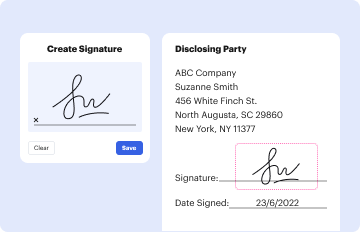
- Electronic Signature Capabilities: Use DocHub’s feature to apply legally binding electronic signatures, ensuring efficient form completion and submission.
Digital vs. Paper Version
Deciding between digital and paper versions can impact usage:
- Digital Version: Offers easier modification, sharing, and storage, with added security through encryption and password protection.
- Paper Version: Useful in fieldwork where electronic devices might not be accessible. However, it requires manual entry into systems later.
Important Terms Related to the Bulk Sample Chain of Custody Form
Understanding these terms can aid in effectively completing and utilizing the form:
- Chain of Custody: Refers to the documented process of sample transfer from one handler to another.
- Sample Integrity: Ensures that samples remain uncontaminated and unchanged from the point of collection to analysis.
- Compliance: Adherence to regulatory and quality standards governing sample handling.
State-Specific Rules for the Bulk Sample Chain of Custody Form
While the form is widely used, state-specific regulations might affect its application:
- Environmental Standards: Varying state laws may prescribe different documentation and custody procedures for environmental samples.
- Data Privacy Laws: States have diverse data protection laws affecting how sample information is stored and shared.
- Certification Requirements: Certain states may require laboratories or organizations to adhere to specific certifications when handling samples.
Quick Facts
Understanding a few quick facts can help users avoid common pitfalls:
- Accuracy Is Crucial: Complete every section of the form diligently to maintain data accuracy.
- Legal Implications: Errors could compromise sample validity in court cases or compliance audits.
- Use Up-to-Date Forms: Ensure you are using the latest version, updated for any legal or procedural changes.