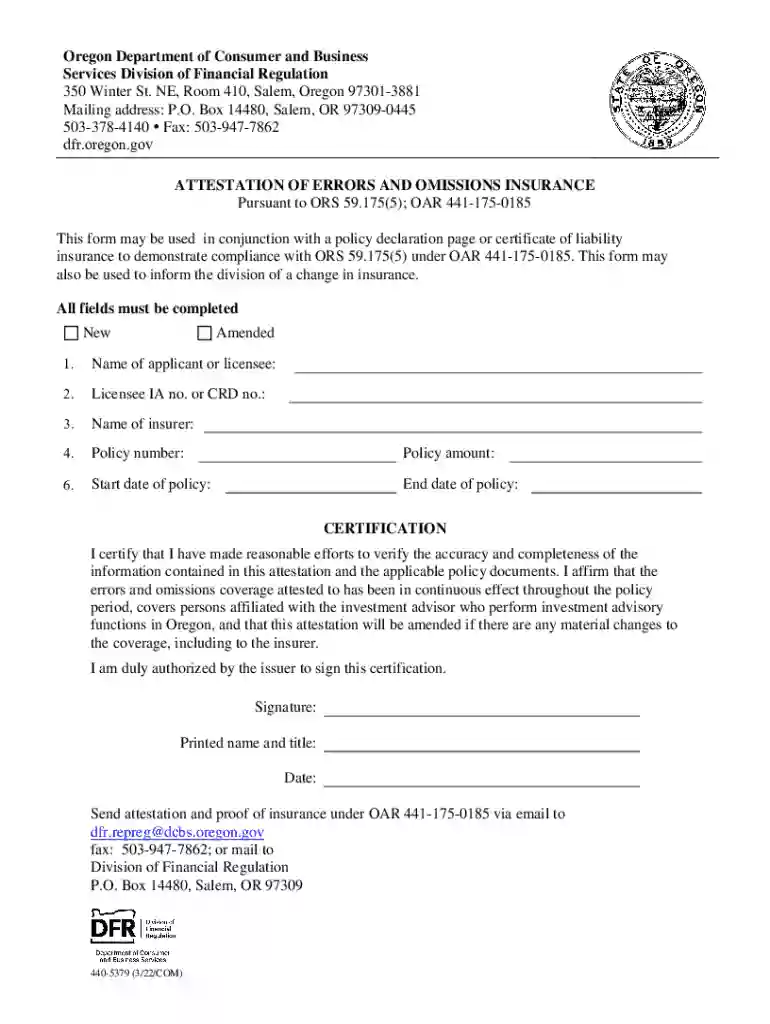
State AgenciesSchool of Law 2026

Get Form
State AgenciesSchool of Law Preview on Page 1

Here's how it works

01. Edit your form online
Type text, add images, blackout confidential details, add comments, highlights and more.

02. Sign it in a few clicks
Draw your signature, type it, upload its image, or use your mobile device as a signature pad.

03. Share your form with others
Send it via email, link, or fax. You can also download it, export it or print it out.

Definition & Meaning

The "State AgenciesSchool of Law" is a specialized form or document type likely used within state agencies or law schools. It could involve educational certifications, legal compliance information, or documentation specific to legal education institutions or state regulatory bodies. This form may serve a dual purpose: facilitating communication between state agencies and law schools and ensuring adherence to specific regulations or educational standards. Understanding the exact requirements and intended outcomes of this form is crucial for those in educational and legal professions.

How to Use the State AgenciesSchool of Law

When utilizing the State AgenciesSchool of Law form, individuals must follow detailed guidelines. Typically, these include:

  • Reviewing the form's instructions to understand the necessary information and attachments
  • Completing fields accurately, whether related to personal information, institutional details, or regulatory compliance
  • Attaching any supplemental documents or evidence required by the form guidelines to ensure completeness
  • Double-checking all entered information for accuracy to prevent processing delays

Each step demands careful attention to the instructions provided, usually found within the form itself or accompanying guidelines from a state agency or educational institution.

How to Obtain the State AgenciesSchool of Law

To acquire the State AgenciesSchool of Law form, individuals or institutions often follow these steps:

  1. Identify the Issuing Body: Determine whether a state agency, educational institution, or another authority issues the form.
  2. Request from Official Channels: Forms can typically be requested through official channels, such as the issuing body's website, office, or designated contact point.
  3. Check Availability: Verify whether the form is available for download, must be requested via mail, or can be picked up in person.
  4. Contact Information: Utilize available contact information for questions regarding form availability or obtaining details.

Promptly accessing the form ensures timely completion and submission, aiding compliance with required procedures or standards.

Steps to Complete the State AgenciesSchool of Law

Properly completing the State AgenciesSchool of Law form involves a series of structured steps:

  1. Read Instructions Thoroughly: Begin by understanding the form's requirements and any specific instructions related to its completion.
  2. Gather Required Information: Collect necessary data such as personal details, institutional codes, or compliance metrics.
  3. Fill Out the Form: Complete each section carefully, ensuring accuracy and adherence to provided guidelines.
  4. Include Necessary Documentation: Attach supplemental materials as specified; this might include certifications, legal documents, or previous compliance records.
  5. Review for Errors: Before submission, check for mistakes or omissions that could impact validation.
  6. Submit Form: Follow the stated method for submission, be it online, by mail, or in-person delivery.

Completing these steps meticulously ensures the form aligns with intended standards and regulatory requirements.

Importance of the State AgenciesSchool of Law

The State AgenciesSchool of Law form plays a vital role in several areas:

  • Compliance: Ensures educational institutions or individuals meet necessary legal and regulatory standards.
  • Communication: Facilitates structured communication between state agencies and law schools or relevant entities.
  • Documentation: Serves as a record of compliance or educational achievement, supporting audits or reviews.

Thus, it is integral to maintaining organizational integrity and meeting obligations set by governing bodies or educational authorities.

Who Typically Uses the State AgenciesSchool of Law

The primary users of the State AgenciesSchool of Law form may include:

  • Law Schools: For documenting compliance with educational regulations or accreditation standards.
  • State Agencies: In monitoring educational institutions and ensuring adherence to regional laws.
  • Legal Practitioners: In cases where documentation of educational achievements or compliance is necessary.
  • Educational Researchers: Engaging with regulatory frameworks or compliance data.

Understanding the specific applications and user groups helps tailor the form's content and structure to meet diverse needs.


decoration image ratings of Dochub

Key Elements of the State AgenciesSchool of Law

Several key components typically characterize the State AgenciesSchool of Law form:

  • Identification Information: Personal or institutional data essential for form processing.
  • Compliance Details: Sections outlining adherence to legal, educational, or regulatory standards.
  • Certification Statements: Affirmations of completeness and accuracy, often requiring signatures or notarization.
  • Supporting Attachments: Lists of required documents or evidence that must accompany the form.

By ensuring all sections are completed accurately, users demonstrate their adherence to essential guidelines or regulations.

State-Specific Rules for the State AgenciesSchool of Law

State-specific rules can significantly impact the interpretation and completion of the State AgenciesSchool of Law form:

  • Regulatory Variations: Individual states may have unique requirements or standards that alter form content.
  • Submission Protocols: States might dictate specific submission methods, timelines, or official channels for form processing.
  • Documentation Requirements: Different states could necessitate additional supporting documents or adherence to local legal frameworks.

Understanding these variations is essential for accurate form submission and ensures compliance with local regulations.

Examples of Using the State AgenciesSchool of Law

Several practical scenarios illustrate the use of the State AgenciesSchool of Law form:

  • Educational Accreditation: Law schools may use the form to document compliance with academic standards or regulatory frameworks.
  • State Compliance Audits: State agencies might issue or require the form during routine audits of educational institutions.
  • Legal Education Programs: Schools offering specialized legal programs use the form to ensure alignment with state educational directives.

These examples highlight the form's role in maintaining educational quality and regulatory compliance across various contexts.

Filing Deadlines / Important Dates

Filing deadlines and critical dates for the State AgenciesSchool of Law form are often established by the issuing authority:

  • Annual Filing Requirements: May require submission by a specific date each year.
  • Update Submissions: Deadlines for submitting updated information or additional documentation.
  • Compliance Checks: Specific periods when compliance verification or audits are conducted.

Adhering to these timelines ensures regular compliance and avoids potential penalties or delays in form processing.

be ready to get more

Complete this form in 5 minutes or less

Get form

Got questions?

We have answers to the most popular questions from our customers. If you can't find an answer to your question, please contact us.
Contact us
CALIFORNIA: California is home to five of the top 50 law schools, UC Berkeley, UCLA, UC Hastings, and UC Davis, and UC Irvine. The good news is that unlike some states, which make it notoriously difficult for students to achieve residency, California makes in-state tuition available to students in their second year.
University of Alabama Law School is considered a Competitive law school, which accepts only 37% of its applicants.
Many agents earn Master of Business Administration (MBA) degrees or pursue law school to earn Juris Doctor (JD) degrees. The most common degrees for sports agents who work with professional athletes are JDs or MBAs, says Chow.
While many sports agents do have a law degree, it is not typically a requirement for the position. Becoming a sports agent does not require any type of specialized degree or higher education, but some leagues may require certification if you wish to become a certified sports agent.
The FBI seeks special agents with any occupation that requires a college degree. Specifically, we look for expertise in physical science, computer science, engineering, architecture, law, accounting, and other disciplines that require logical analysis and critical thinking.

Security and compliance

At DocHub, your data security is our priority. We follow HIPAA, SOC2, GDPR, and other standards, so you can work on your documents with confidence.

Learn more
ccpa2
pci-dss
gdpr-compliance
hipaa
soc-compliance
be ready to get more

Complete this form in 5 minutes or less

Get form

People also ask

Do all law students go straight from college to law school? No. It is very common for undergraduates to assume that they should plan to go straight to law school after graduating from college. In fact, only approximately one-third of law students nationwide go straight from college to law school.
Agents come from a variety of backgrounds; some have worked as actors or other creative professionals and then shifted into agent careers because they enjoyed working in the industry. Agents who have degrees from law or business schools have an advantage when it comes to advancing their careers or opening a new agency.

Related links