
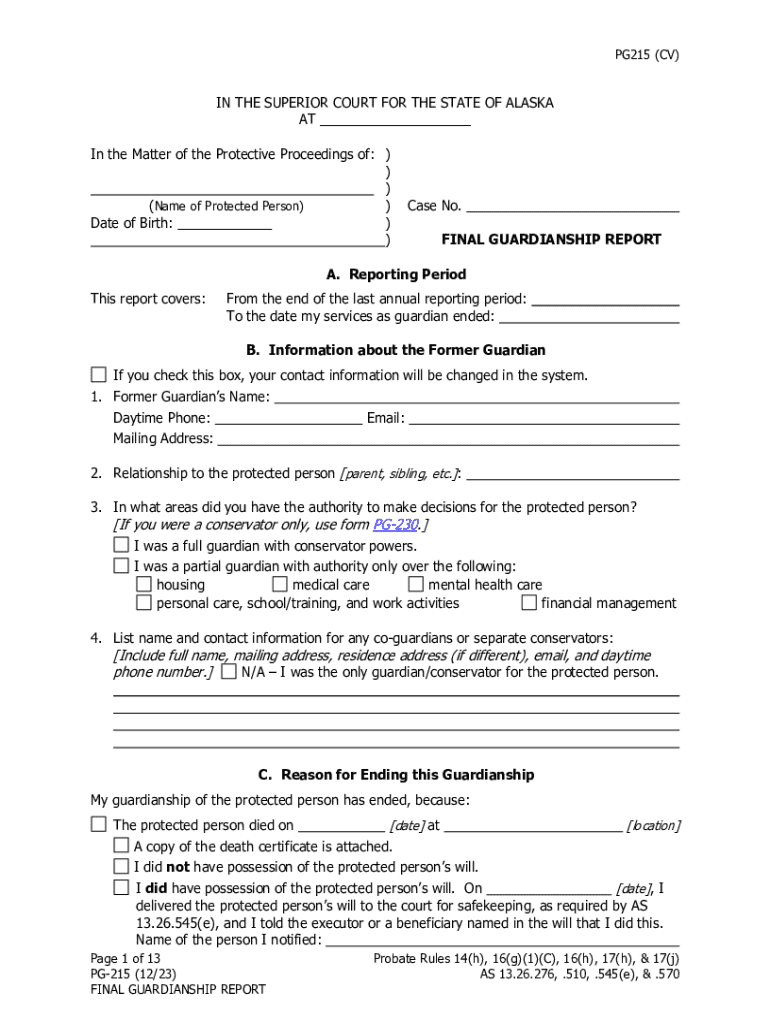







Definition and Meaning of "Form Online"
The term "form online" primarily refers to the process of creating, accessing, and submitting various kinds of documents through digital platforms. This approach simplifies traditional paperwork by enabling users to fill out forms electronically, without the need for printed materials. Online forms encompass a wide range of applications—from tax filings and legal documentation to applications and surveys. Using online forms provides efficiency, as they can be accessed from anywhere with an internet connection, ensure data accuracy with digital inputs, and often offer secure processing and storage solutions. In a business or personal context, online forms streamline workflow and reduce manual effort.
How to Use Forms Online
To effectively use forms online, the process typically involves a few straightforward steps. First, users navigate to a platform or website that hosts the desired form. For platforms like DocHub, users can choose to create a new form or select from existing templates, offering interactive elements such as text fields, dropdowns, and signature panels. After completing the necessary fields, users review the form for accuracy. Depending on the platform, they may have the option to save a draft for later completion. Once satisfied, users can submit the form electronically, usually with a button click. The platform may also offer options to share the form via email for collaborative completion or submission.
Steps to Complete a Form Online
- Access the Form: Locate the form by navigating to the platform hosting it.
- Enter Information: Fill out all required fields, which may include personal data, selections, or attachments.
- Review and Edit: Double-check entries for accuracy and completeness to avoid potential errors or rejections.
- Attach Documents: Upload any necessary supplementary documents or evidence if required.
- Digitally Sign: Add an electronic signature to authenticate your submission, using tools like DocHub's signature features.
- Submit: Finalize by clicking the submission button to send your form for processing.
- Receive Confirmation: Look for a confirmation message or email indicating successful receipt of your form.
Why You Should Use Forms Online
Utilizing forms online offers distinct advantages over traditional paper forms. First and foremost is efficiency; online forms eliminate the need for physical paperwork, which reduces clutter and the time spent on manual filing. Electronic submissions are typically faster by facilitating instant transmission to the recipient. Security is another significant benefit, as reputable platforms employ encryption technologies to safeguard the data during transfer and storage, ensuring compliance with legal standards such as the ESIGN Act. Additionally, online forms have built-in validation features to minimize errors, guiding users to input data correctly.
Key Elements of an Online Form
When working with online forms, certain elements are typically present to ensure comprehensive data collection. Forms generally comprise the following components:
- Text Fields: For entering personal details, numbers, or short responses.
- Checkboxes and Radio Buttons: To select from predefined options.
- Dropdown Menus: For selecting an option from a longer list without overwhelming the interface.
- Signature Fields: Designed for users to provide an electronic signature, often mandatory in legal forms.
- Navigation Buttons: Such as 'Next', 'Back', or 'Submit', allowing users to move through form pages or finalize their submission.
The inclusion of these elements varies depending on the form's purpose but collectively contributes to a user-friendly experience.
Legal Use of Online Forms
Online forms serve a critical role in legal and official documentation. Forms submitted through authenticated platforms are often recognized as legally valid, provided they meet specific criteria. They should comply with relevant regulations to be binding, such as the Electronic Signatures in Global and National Commerce (ESIGN) Act in the United States, which affirms the legality of electronic records and signatures. Legal forms confirm transactions, agreements, or reporting obligations, and secure submission channels ensure that confidential information stays protected under applicable privacy laws.
Examples of Using Forms Online
The versatility of online forms makes them suitable for diverse applications. Businesses use them for client onboarding, service agreements, and payroll documentation. Governments may offer tax forms online, like the IRS's W-9, simplifying the tax compliance process. Educational institutions create admission forms for prospective students, and health service providers use digital forms for patient registrations. In each context, online forms streamline data collection, improve access for users, and decrease the likelihood of errors associated with manual data entry.
Required Documents and Form Submission
Many online forms necessitate supplementary documents to accompany the primary submission. These can include identification proofs, previous records, or verification letters. It's important to prepare and digitize these documents for upload. The platforms usually guide users through the process, indicating required fields and formats. After submission, a confirmation notice might be provided to assure receipt and inform users of any next steps. In professional settings, notifications often detail timelines for feedback or official processing.




